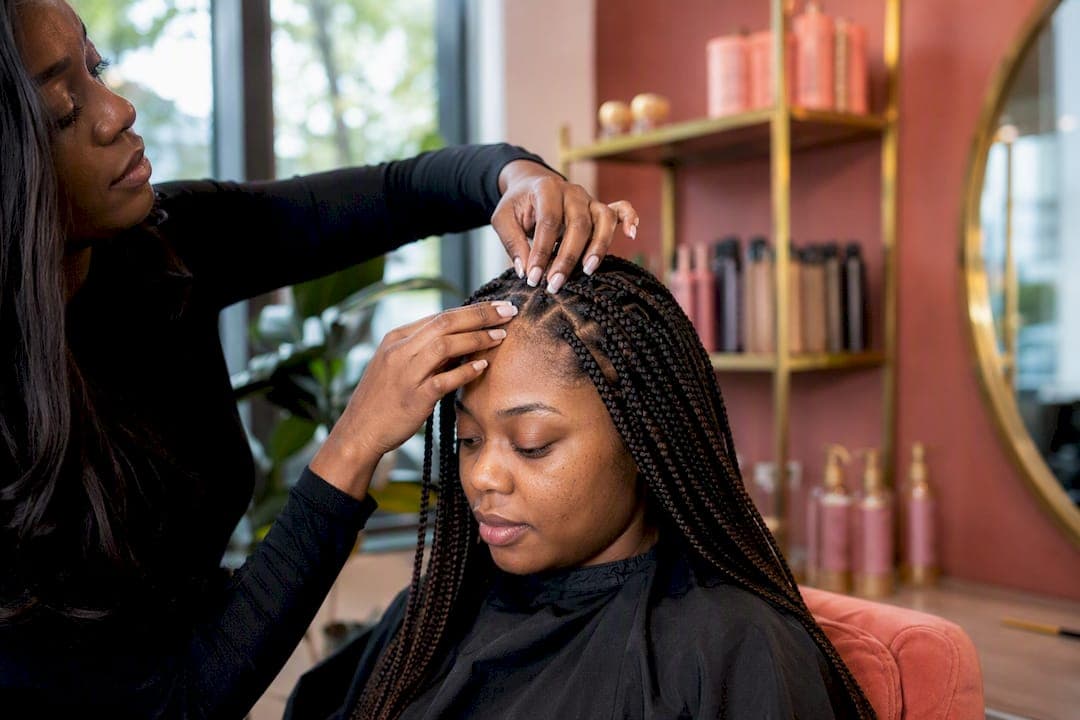
Most bumps that show up after a fresh install are traction folliculitis, a mechanical reaction to tension, not an infection. Loosen the pull, cleanse gently, and give it a few days. Call a doctor if you see spreading redness, pus, odor, or fever. Otherwise, simple scalp-first care usually clears it within several days.
TL;DR:
- Loosening tight braids quickly reduces mechanical inflammation, which typically resolves bumps within three to seven days unless signs of infection develop.
- Bumps appearing along stress points within 24 to 72 hours usually result from tension, while scattered itching bumps may stem from allergen sensitivity or buildup.
- Signs of infection include pus, spreading redness, foul odor, fever, or no improvement after a week, requiring medical treatment or style removal.
- Persistent or recurring bumps, especially along the hairline, indicate possible traction alopecia and should prompt a change in styling habits or professional assessment.
- Preventative measures include scalp cleansing before styling, asking stylists for looser tension, and spacing styles to avoid chronic inflammation and permanent hair loss.
Table of Contents
- What causes bumps on scalp from braids?
- Is it a scalp bump or something more serious?
- What should you do right now to calm an irritated scalp?
- When should you loosen or remove your braids entirely?
- How do you prevent scalp irritation before your next install?
- How do salon technicians catch bumps before they get worse?
- What happens if you ignore scalp bumps after braids?
- Where can you learn more about scalp health and braids?
- A stylist's honest note on beauty versus scalp health
- Sources
What causes bumps on scalp from braids?
Traction folliculitis happens when tight braiding pulls on the hair follicle hard enough to trigger inflammation around it. Braids grip the root, the root drags on surrounding tissue, and the follicle responds the way skin responds to any repeated mechanical stress: it gets red, tender, and sometimes raised into small bumps. This is a mechanical, noninfectious process at its root, not a bacterial one, according to research on traction folliculitis. Removing the source of pull is usually what fixes it.
Tension is the biggest driver, but it is not the only one. Several other factors show up again and again in scalp complaints after installs:
- Synthetic hair sensitivity. Some braiding hair carries chemical coatings from manufacturing that irritate sensitive scalps on contact, a problem BlackDoctor has reported on in detail.
- Product buildup. Sweat, scalp oil, and leftover styling gel trapped under braided rows create a breeding ground for irritation and clogged follicles, a common trigger noted in folliculitis symptom guides.
- Friction at stress points. The hairline and nape take the most repeated pulling during parting and feed-in, which is exactly where bumps cluster most often.
- Fresh chemical residue. Newly opened packs of hair sometimes still carry dust or coating from processing, which can settle right against the scalp.
If your bumps line up along your part lines or hairline within the first day or two, tension is almost always the culprit. If they show up scattered across the whole scalp with itching, think allergy or buildup instead.
Is it a scalp bump or something more serious?
Location and timing tell you almost everything. Traction bumps typically appear within 24 to 72 hours of your appointment and sit right along the parts, hairline, or wherever your stylist pulled hardest. If bumps show up fast, stay confined to those stress points, and start calming down within a few days of loosened tension, you're likely dealing with straightforward mechanical irritation.
Infection looks different, and it announces itself. Watch for these signs:
- Pus-filled or oozing bumps rather than dry, firm ones
- A foul odor coming from the scalp
- Redness that spreads outward instead of staying put
- Fever or feeling generally unwell
- No improvement after a full week of self-care
A meaningful share of traction folliculitis cases show Staphylococcus aureus on culture, but researchers consider this secondary and opportunistic in most instances, according to a case series on traction folliculitis rather than the primary cause of the bumps themselves.
There's also a longer-term warning sign worth knowing: the "fringe sign." This is a visible strip of thin, broken hair along the hairline where braids have pulled repeatedly over time. It signals the follicle is moving past temporary inflammation toward permanent traction alopecia, and it's your cue to change styling habits, not just treat the current bumps.
What should you do right now to calm an irritated scalp?
Work through these steps in order. Skipping straight to step three without loosening tension first is the most common mistake we see.
- Release the pull. If a section feels unbearably tight, ask your stylist to loosen those specific braids, or carefully loosen them yourself by gently separating the base without unraveling the whole braid. This alone resolves a large share of cases because the underlying problem is mechanical, not microbial.
- Apply a warm compress. A warm, damp washcloth held against tender spots for five to ten minutes reduces swelling and soothes throbbing at the root.
- Cleanse gently. Mix a diluted, sulfate-free shampoo with water in an applicator bottle and apply it directly to the scalp between rows, rinsing thoroughly. Skip vigorous scrubbing.
- Use targeted OTC relief if needed. A thin layer of 1% hydrocortisone cream calms inflamed spots, and diluted witch hazel or heavily diluted tea tree oil can help with itching, though tea tree oil is a common allergen for some people, so patch test first.
Pro Tip: Never pop or squeeze a scalp bump. Draining it manually pushes bacteria deeper into the follicle and raises your risk of scarring instead of solving the problem.
What you should avoid is just as important as what you do. Do not pile on heavy oils or butters right on top of inflamed bumps, since that traps heat and buildup underneath. Do not tighten a protective style thinking it will "hold better." And do not wait out oozing, spreading, or feverish symptoms for more than a day or two. That combination calls for a doctor who may prescribe oral or topical antibiotics, particularly if a culture confirms bacterial involvement70108-8).
When should you loosen or remove your braids entirely?
Some situations don't leave room for a wait-and-see approach. Take braids out immediately, or have your stylist do it, if you notice severe pain that isn't improving, pustules spreading beyond the original bumps, or systemic symptoms like fever or swollen lymph nodes.
For everyone else, timelines vary by severity:
- Minor tension bumps: usually calm down within three to seven days once pressure is off.
- Infected or secondary cases: can take up to two weeks or longer, especially if antibiotics are needed.
- Noticeable hair loss along the hairline: warrants a dermatology visit rather than home care, since this points toward early traction alopecia.
When you do remove braids, work in small sections, apply a little oil or conditioner to soften the base, and detangle slowly from the ends upward. Rushing the takedown process on an already-inflamed scalp just adds more trauma on top of what caused the bumps in the first place.
How do you prevent scalp irritation before your next install?
Prevention starts well before you sit in the chair. A little prep work at home and a short conversation with your stylist go further than any product you buy afterward.
Before your appointment:
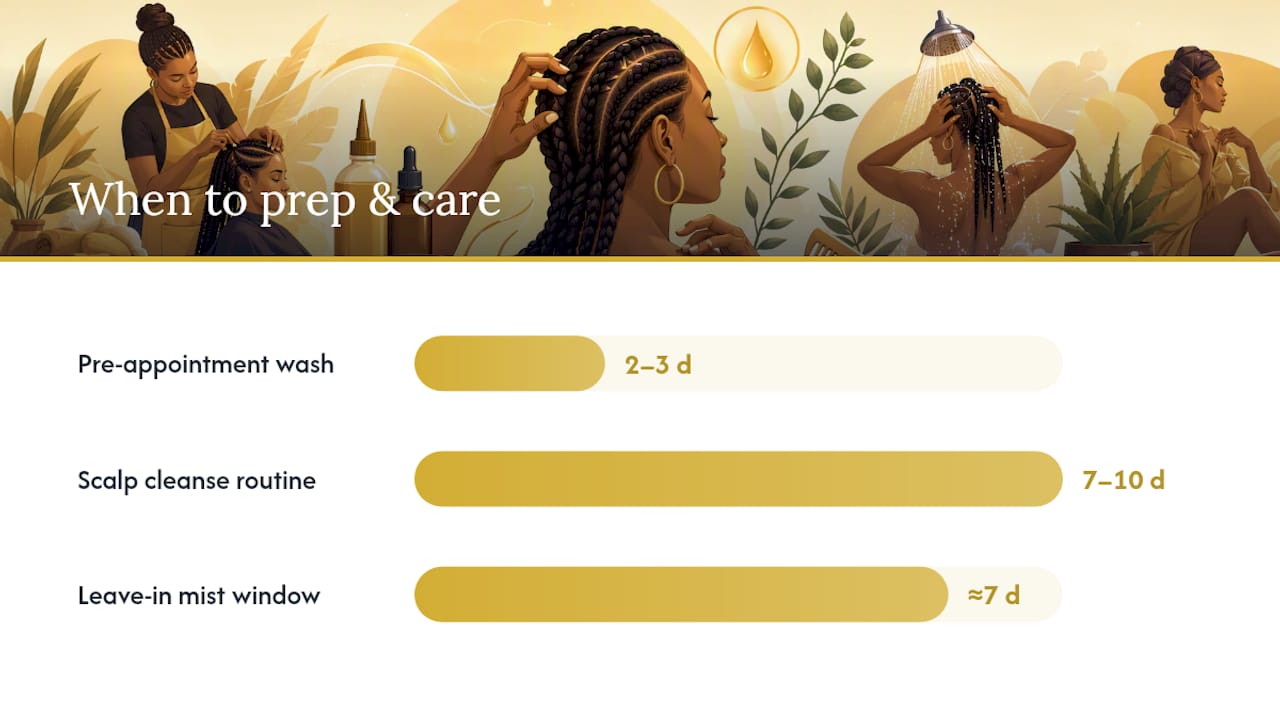
- Wash and clarify your scalp two to three days out to remove buildup, and skip heavy oils or gels the day of your visit so your stylist can see and feel your scalp clearly.
- If you're using synthetic hair, wash or soak it beforehand to strip away surface coatings that can irritate sensitive skin, a step detailed in guides on braiding hair prep.
During your consultation, speak up. Say something as simple as "please keep this loose enough that I don't feel pulling at the root" or "I'd like slightly thicker sections near my hairline." A good stylist will adjust without hesitation, because looser tension and thicker sections genuinely reduce follicular stress.
Aftercare that actually works:
- Cleanse your scalp every seven to ten days with diluted shampoo, not just water.
- Sleep on a satin pillowcase or wrap to cut down on friction overnight.
- Space out reinstalls, giving your scalp real recovery time between protective styles rather than braiding back to back.
Pro Tip: Keep a small spray bottle of diluted leave-in conditioner in your bag during the first week. A light misting on itchy or tight spots between washes keeps the scalp calm without loosening your style early.
For a deeper walk-through of pre-appointment prep, see our guide to hair health before your braiding visit.
How do salon technicians catch bumps before they get worse?
Experienced braiders check tension as they go, not just at the end. Warm-water or light steam softening during the install relaxes the hair and scalp, and slightly larger feed-in sections near the hairline take pressure off the most vulnerable follicles, a technique explained further in our breakdown of box braids and scalp tension.
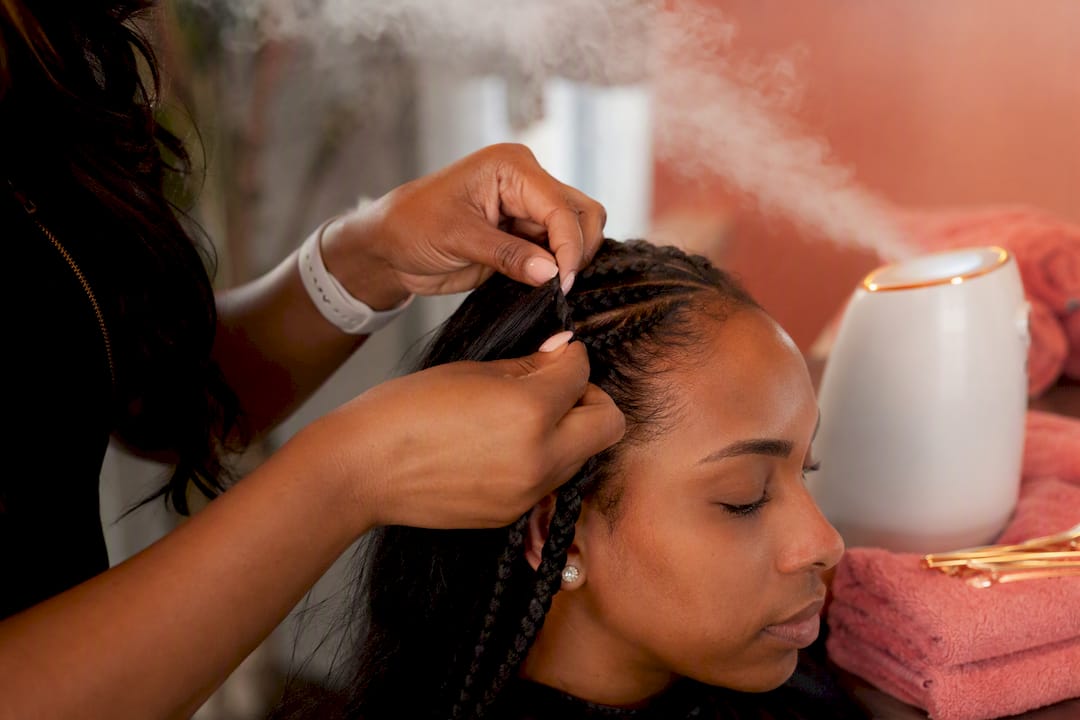
Stylists will sometimes stop mid-install to loosen a row that's pulling too hard. In more serious cases, a technician who spots early signs of the fringe sign or persistent pain will recommend removing the style entirely rather than risk permanent thinning.
What happens if you ignore scalp bumps after braids?
Leaving bumps untreated rarely means nothing happens; it usually means the problem compounds. Mild mechanical irritation that goes unaddressed can develop into a secondary bacterial infection as broken skin and trapped buildup give bacteria an opening they wouldn't otherwise have.
Untreated infection can spread beyond the original bump sites, and in more serious cases lead to abscess formation or folliculitis that requires stronger prescription treatment than a case caught early. Pain also tends to worsen the longer tension stays in place, since the follicle never gets a chance to calm down between styling sessions.
The more lasting risk is structural. Continued traction on already-inflamed follicles pushes past temporary irritation into follicular atrophy, where the follicle itself loses its ability to produce hair normally. This is how traction alopecia becomes permanent rather than a phase you grow out of. Once scarring sets in along the hairline, hair often does not return even after every source of tension is removed.
There's also a comfort cost that's easy to dismiss. Chronic low-grade scalp inflammation can make every future install more painful, since already-sensitized skin reacts more strongly to normal styling pressure. Catching bumps early and treating them properly protects both your hair and your tolerance for the protective styles you actually want to keep wearing.
Where can you learn more about scalp health and braids?
For deeper reading, the clinical basis for this article draws on peer-reviewed work on traction folliculitis as a mechanical condition and documented case series showing recovery after removing tight styles. For hands-on maintenance, see our guide on how to maintain braids between salon visits.
A stylist's honest note on beauty versus scalp health
Beautiful braids and a healthy scalp are not opposing goals; they're the same goal done right. We'd rather loosen a row mid-install or talk you through a softer part than watch you push through pain for the sake of a look. If bumps keep coming back appointment after appointment, that's not something to just live with. Book a consult with us and let's actually fix the pattern.
— Afro
Ready for a style that respects your scalp from the first section to the last? Browse real results in our portfolio or book your next appointment with a team that checks tension as carefully as we check style.
This article is general information, not a substitute for advice from a qualified doctor. Consult a qualified healthcare professional about your own circumstances before acting on anything here.
Sources
- Traction folliculitis: an under-reported entity (PMCID)
- Traction folliculitis: an under-reported entity (Urbina et al.)
- Traction alopecia: Prevention, treatment and causes — Healthline