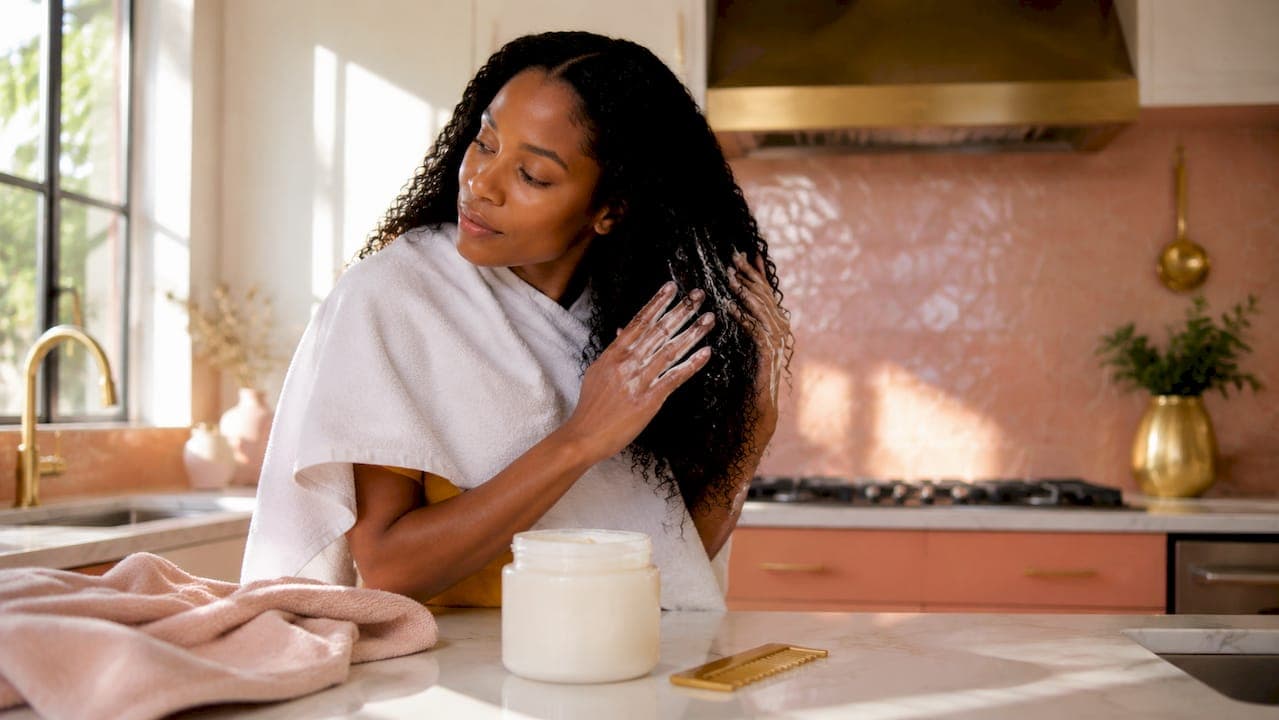
Deep conditioning is defined as a concentrated moisturizing treatment that penetrates the hair shaft to restore elasticity, strength, and hydration before protective styling. Knowing why deep condition before braiding matters is the difference between hair that thrives under a protective style and hair that breaks, dries out, and struggles at takedown. Once braids are installed, access to your hair shaft is almost completely cut off for weeks. That single fact makes pre-braid conditioning one of the most important steps in any natural hair care routine. Afromagicbraiding recommends completing your deep conditioning treatment 24–48 hours before your braiding appointment for the best results.
Why deep condition before braiding: the core reason
The core reason to deep condition before braiding is simple. Once braids are in, you cannot effectively moisturize the hair strand itself. Pre-install conditioning acts as damage prevention and makes detangling far easier at takedown. The moisture and strength you build before installation is what your hair lives on for the entire duration of the style.
Starting with dry or brittle hair greatly increases snapping under braiding tension. Deep conditioning restores the pliability your strands need to flex rather than break when a stylist applies consistent tension during installation. Think of it like conditioning leather before stretching it. Hair that bends does not snap.
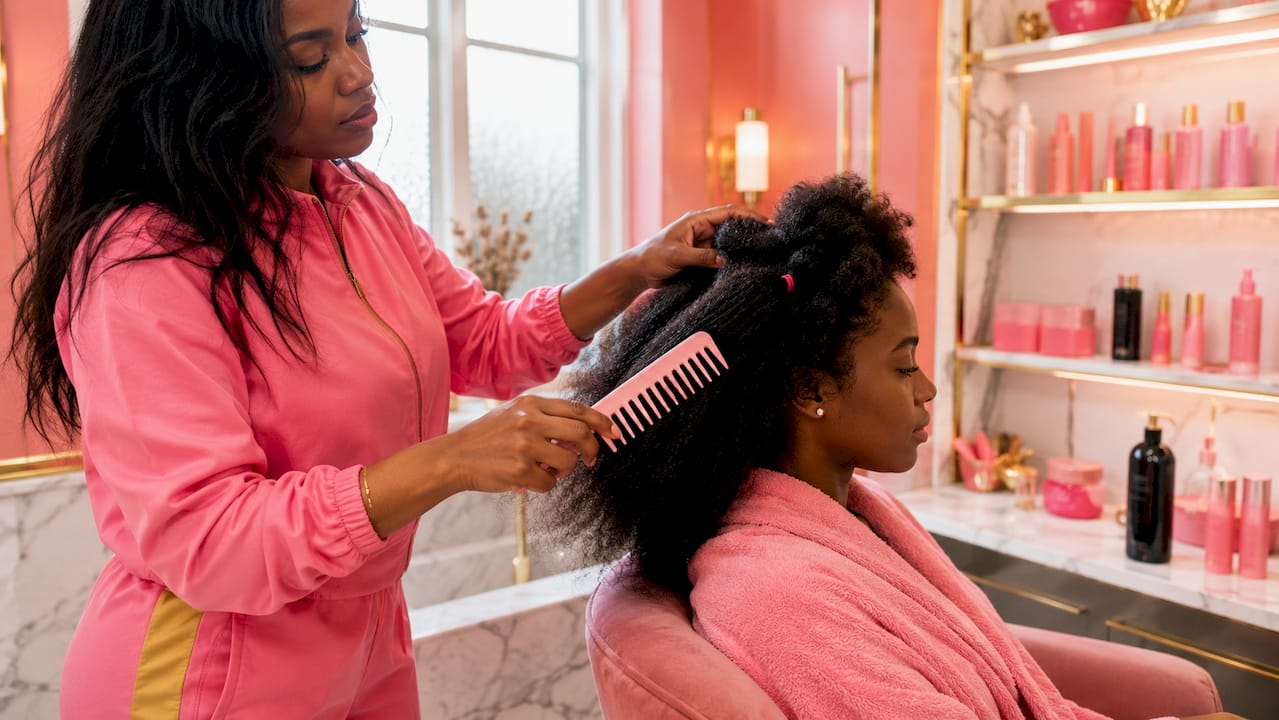
How does deep conditioning improve hair health before braiding?
Deep conditioning improves hair health before braiding by targeting three specific problems: dryness, brittleness, and poor manageability. Each of these problems gets worse, not better, once braids are installed.
Here is what a proper deep conditioning session does for your hair before install:
- Restores elasticity. Conditioned hair flexes under tension instead of snapping. Elasticity improvements allow your stylist to maintain consistent tension without causing fiber breakage during installation.
- Adds lasting moisture. Since you cannot reach the hair shaft during braiding, the moisture locked in before install is what your strands rely on for weeks.
- Reduces frizz and improves manageability. Hydrated hair lies smoother, parts more cleanly, and sits more evenly in each braid section.
- Protects fragile ends. Your ends are the oldest, most fragile part of your hair. Paying extra attention to ends during deep conditioning prevents the tip damage that shows up first during a long protective style.
- Supports easier takedown. Hair that enters installation well-moisturized detangles more easily when the style comes out, reducing post-braid breakage.
The benefits of deep conditioning compound over the life of the style. Hair that starts hydrated stays in better condition at week four than hair that started dry at week one.
Pro Tip: Focus the bulk of your conditioner on your ends and mid-lengths, not just your roots. Roots receive natural scalp oils; ends receive nothing once braids are in.
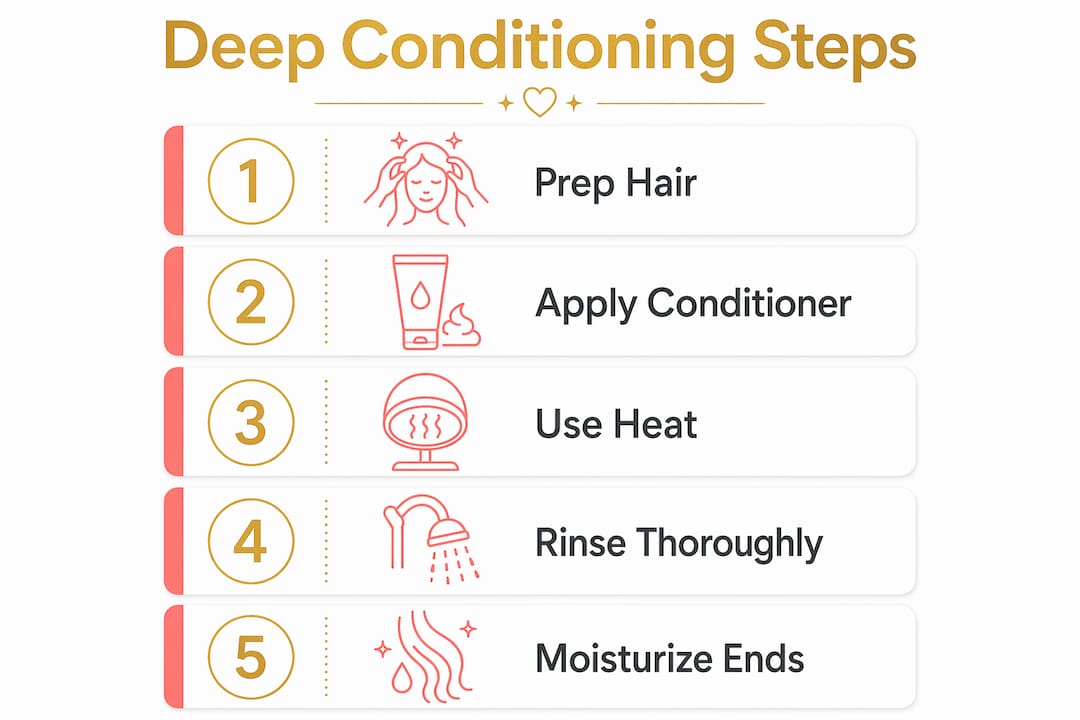
What is the ideal deep conditioning process before braiding?
The ideal deep conditioning process before braiding follows a specific sequence. Skipping steps or rushing the treatment reduces how much moisture actually penetrates the strand.
- Cleanse first. Thorough cleansing before deep conditioning removes product buildup that blocks conditioner from reaching the hair shaft. Buildup sealed under braids also causes scalp irritation over time. Use a clarifying or moisturizing shampoo based on how much product you have used recently.
- Detangle gently. Work through knots with a wide-tooth comb or your fingers before applying conditioner. Detangling on dry, knotted hair causes unnecessary breakage. A natural hair prep guide can walk you through the safest technique for your hair type.
- Apply conditioner in sections. Divide your hair into four to six sections. Apply conditioner generously from root to tip, squeezing it into each section so every strand is coated.
- Add heat for 15–30 minutes. Deep conditioning sessions with heat improve penetration significantly. Use a hooded dryer, hair steamer, or a plastic cap with body heat. Heat opens the cuticle so the conditioner can work deeper into the strand.
- Rinse thoroughly and air dry or blow dry on low. Avoid heavy oils or grease after rinsing. Heavy products right before braiding create slip that interferes with your stylist's ability to maintain tension and clean part lines.
- Choose the right treatment. Moisturizing conditioners work for most hair types. If your hair feels mushy or stretches without snapping, it needs protein. If it feels stiff and snaps immediately, it needs moisture. Balancing protein and moisture is the key to avoiding brittleness before install.
Pro Tip: If you use a protein treatment, always follow it with a moisturizing conditioner. Protein alone leaves hair stiff and more prone to breakage under braiding tension.
What are common mistakes to avoid when deep conditioning before braids?
Several common mistakes cancel out the benefits of deep conditioning and can actually make your hair worse going into a braiding appointment.
- Applying heavy oils or grease after conditioning. Products like petroleum-based grease or thick butters create too much slip. Your stylist loses grip on the hair, making it harder to create clean parts and maintain even tension throughout the style.
- Skipping the shampoo step. Conditioning over product buildup is like painting over dirt. The conditioner cannot penetrate, and the buildup gets sealed under your braids for weeks. For more on keeping your scalp clean during protective styles, the scalp care strategies guide from Afromagicbraiding covers this in detail.
- Rushing the treatment time. Leaving conditioner on for five minutes does not deliver the same result as 15–30 minutes with heat. The cuticle needs time to open and absorb.
- Neglecting the ends. Most people apply conditioner at the roots and work down. Your ends need the most attention and the most product. Roots are naturally moisturized by scalp oils; ends are not.
- Over-using protein treatments. Excess protein makes hair brittle. Brittle hair under braiding tension snaps. If you have used a protein treatment, follow it with a moisturizing deep conditioner before your appointment.
"Entering your braiding appointment with clean, hydrated hair is not optional. It is the foundation that determines how your hair looks, feels, and survives the entire protective style." — Afromagicbraiding
How to maintain healthy hair with deep conditioning during the braiding period
Pre-braid conditioning sets the foundation, but the weeks your hair spends in braids still require attention. The challenge is that you cannot reach the hair shaft once the style is installed.
Here is what actually works for maintaining hair health during the braiding period:
- Use scalp oils regularly. Light oils like jojoba, tea tree, or peppermint diluted in a carrier oil keep your scalp moisturized and reduce itching without causing buildup on the braids themselves.
- Moisturize lightly with a spray. A water-based leave-in spray applied to the braids keeps the surface of your hair from drying out completely. Avoid heavy creams that sit on top of the braid and attract lint.
- Protect your braids at night. A satin bonnet or satin pillowcase reduces friction that dries out both your braids and your natural hair underneath.
- Keep your scalp clean. Wash your scalp every one to two weeks using a diluted shampoo applied with a spray bottle or applicator tip. A clean scalp prevents the buildup and irritation that can cut a protective style short.
- Schedule a deep conditioning session after takedown. The first step after removing braids should always be a thorough deep conditioning treatment. Your hair will be dry and fragile. Conditioning before detangling prevents massive breakage at this stage.
Deep conditioning is a foundational step, not a cosmetic add-on. The weeks-long duration of most protective styles makes it non-optional. Hair that enters installation in the best possible condition will always come out in better shape than hair that did not.
Key takeaways
Deep conditioning before braiding is the single most effective step you can take to protect your hair's health, elasticity, and moisture for the full duration of a protective style.
| Point | Details |
|---|---|
| Time it right | Deep condition 24–48 hours before your braiding appointment for best results. |
| Heat improves penetration | Use a hooded dryer, steamer, or plastic cap for 15–30 minutes to open the cuticle. |
| Cleanse before conditioning | Shampoo first to remove buildup so conditioner can actually reach the hair shaft. |
| Balance protein and moisture | Follow any protein treatment with a moisturizing conditioner to prevent brittleness. |
| Ends need the most attention | Focus conditioner on your ends, which are the most fragile and most vulnerable during braiding. |
What I have learned after years of watching hair prep make or break a style
After seeing hundreds of clients sit in the chair at Afromagicbraiding, one pattern is impossible to ignore. The clients whose hair holds up beautifully for six to eight weeks are almost always the ones who came in properly conditioned. The clients who call about breakage, dryness, or scalp issues at week three are often the ones who skipped prep or rushed it.
The conventional wisdom says deep conditioning is just about softness. That is incomplete. The real reason it matters is elasticity. Conditioned hair's flexibility reduces snapping under tension and makes braiding faster and cleaner for the stylist. When I can feel that a client's hair has good elasticity, the entire installation goes more smoothly. The parts are cleaner. The tension is more even. The finished style looks better.
The other thing most people get wrong is the protein-moisture balance. I have seen clients over-protein their hair before an appointment thinking it will make their hair stronger. It does the opposite. Stiff, over-proteinized hair snaps under braiding tension. Moisture is what gives hair the flexibility to survive weeks of being held in place.
My honest advice: treat your deep conditioning session as seriously as you treat the braiding appointment itself. Give it the full time, the right products, and the heat it needs. Your hair will thank you at takedown.
— Afro
Ready for braids? Afromagicbraiding has you covered
At Afromagicbraiding in Southfield, Michigan, every client consultation includes guidance on how to prepare your hair for installation. We want your braids to look stunning on day one and stay healthy through the final week of wear.

Whether you are booking knotless braids, box braids, or Fulani-inspired styles, our stylists factor in your hair's current condition and give you personalized prep advice before your appointment. See the work we do in our style portfolio and read what our clients say about their experience. When you are ready, book your appointment directly online. We make the process easy so you can focus on showing up with clean, conditioned hair and leaving with a style that honors every strand.
FAQ
Why should I deep condition before braiding and not after?
Deep conditioning before braiding is critical because you cannot reach the hair shaft once braids are installed. The moisture and strength you build before installation is what your hair relies on for the full duration of the style.
How long should I deep condition before a braiding appointment?
Deep condition for 15–30 minutes with heat, ideally 24–48 hours before your appointment. This timing gives your hair enough recovery time without leaving it too dry by install day.
Can I skip deep conditioning if my hair already feels soft?
Soft hair is not the same as well-conditioned hair. Even hair that feels soft can lack the elasticity needed to handle braiding tension without snapping. Deep conditioning before styling builds that elasticity.
Is deep conditioning necessary for all hair types before braiding?
Deep conditioning before braiding benefits all hair types, but it is especially critical for natural, color-treated, or heat-damaged hair. These hair types have a higher risk of breakage under the tension of a protective style.
What happens if I use too much protein before braiding?
Excess protein makes hair stiff and brittle, which increases the risk of snapping under braiding tension. Always follow a protein treatment with a moisturizing deep conditioner to restore flexibility before your appointment.