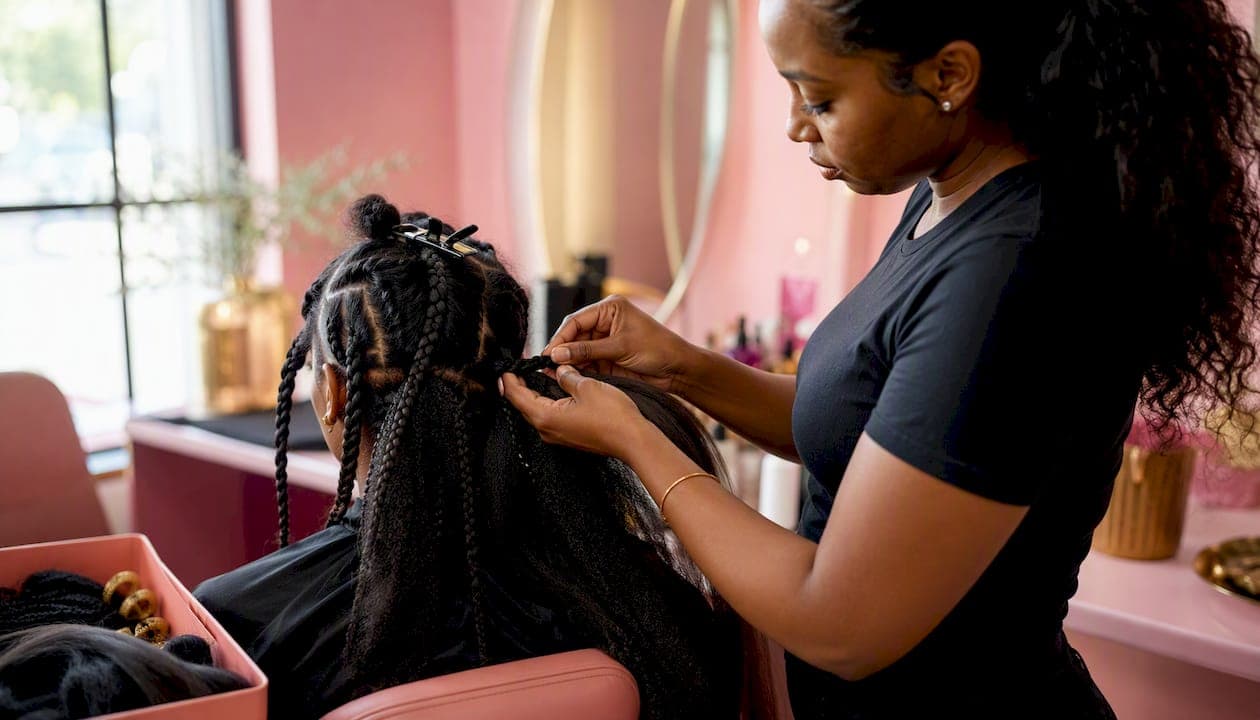
Mixing braiding hair textures comes down to four techniques: split & layer installation, brush-blending bundles before you start, feed-in mixing as you braid, and pre-bundled ombré packs when you want zero prep. Pair those moves with the right raw materials, mainly kanekalon, toyokalon, and pre-stretched fibers, and you get a blend that looks intentional instead of patchy.
Here's where to start today:
- Separate every pack by texture and color before you touch a single strand.
- Create thin sub-bundles rather than grabbing hair straight from the pack.
- Alternate packs row by row instead of finishing one color block at a time.
- Brush-blend a test bundle with two or three shades to see how they read together.
Afromagicbraiding sees this play out in the chair daily, and a brand like Rastafri makes the prep step almost foolproof for beginners.
Key Takeaways
Mixing braiding hair textures works best when you combine the right raw material, pre-stretched kanekalon or a gritty blend, with a deliberate technique like brush-blending or feed-in mixing rather than random alternation.
| Point | Details |
|---|---|
| Choose your technique first | Split & layer, brush-blending, feed-in mixing, and pre-bundled ombré each suit different skill levels and time budgets. |
| Match grip to hold | Gritty kanekalon locks tighter than slick toyokalon, so avoid pairing extreme opposites in one install. |
| Use proportion formulas | A 70/30 mix reads subtle, 50/50 reads balanced, and 40/60 reads bold; bridge shades soften harsh transitions. |
| Prep prevents most problems | Detangling, stretching natural hair, and sealing synthetic ends stop tangling and unraveling before they start. |
| Book Afromagicbraiding for complex mixes | Afromagicbraiding stocks pre-stretched and color-blended packs and installs full-head mixed-texture braids professionally. |
Table of Contents
- Types of braiding hair textures you'll actually work with
- Practical techniques for blending textures during install
- Color-blending basics for natural-looking dimension
- Prep and installation tips that stop tangling before it starts
- Which texture pairs work best for each braid style
- Fixing the most common mixed-texture problems
- When to DIY and when to book a braider
- Ready to get your mixed-texture braid installed right?
- Frequently asked questions
- Sources
Types of braiding hair textures you'll actually work with
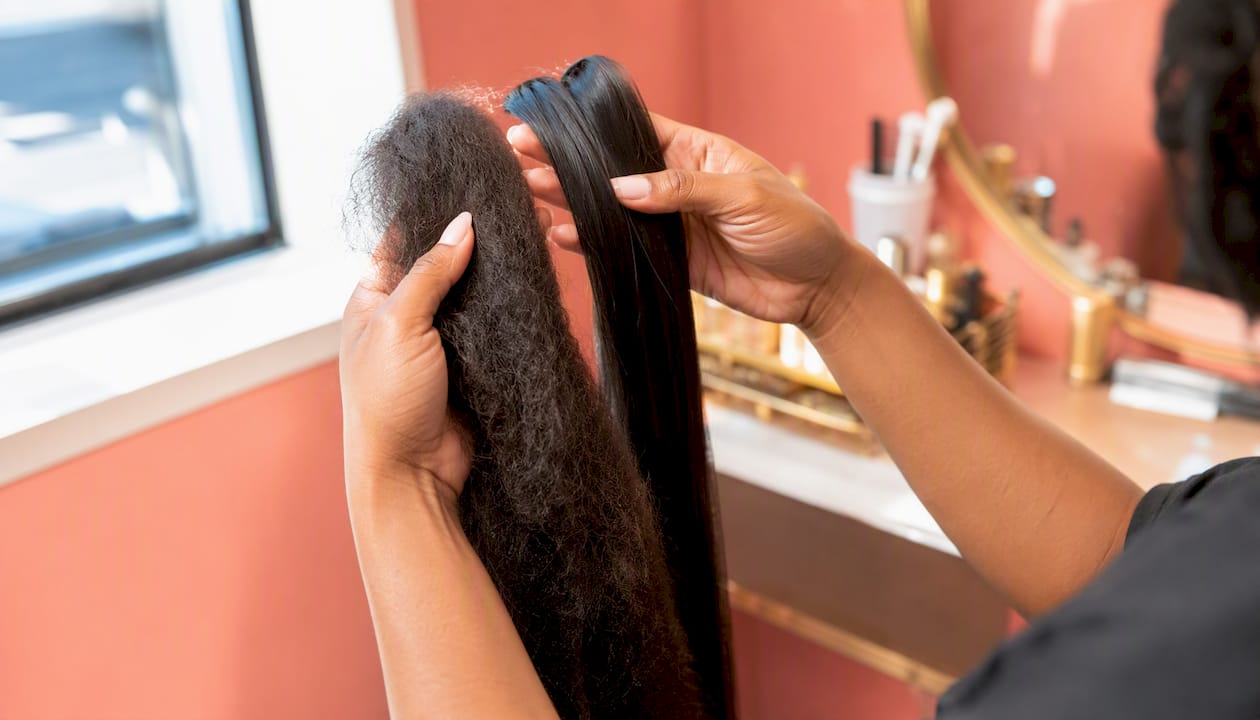
Kanekalon is the workhorse of the braiding world. It mimics blown-out natural hair, stays lightweight, and carries a matte finish that most stylists reach for first. Toyokalon runs shinier and resists tangling better, but it can lack the "grit" that helps a braid lock into itself, so pure kanekalon or gritty blends often hold tighter over six to eight weeks. Pre-stretched synthetics, the kind Rastafri and Ruwa built their reputations on, skip the manual stretching step entirely. Marley twists offer more texture and volume for chunkier styles, water-wave and deep-wave fibers bring curl movement for boho looks, and human-curly bulk hair blends closest to natural 3C-4C patterns.
What to check before buying or asking your braider for a brand:
- Texture and grip: gritty fibers grab and hold; slick fibers slip but resist frizz.
- Tangle resistance: toyokalon wins here, kanekalon needs more careful sectioning.
- Pre-stretched or not: saves 20 to 40 minutes of prep per install.
- Color realism: matte finishes photograph and blend more naturally than glossy ones.
- Weight: bulkier textures add strain at the root over a full day of wear.
| Texture | Grip level | Tangle resistance | Pre-stretched available |
|---|---|---|---|
| Kanekalon | High | Moderate | Sometimes |
| Toyokalon | Low to moderate | High | Rarely |
| Pre-stretched synthetic | Moderate | High | Yes, by design |
| Marley | High | Moderate | No |
| Human-curly bulk | Moderate | Low | No |
Practical techniques for blending textures during install
These four methods cover almost every mixed-texture braid you'll see on Pinterest or in a salon chair.
- Split & layer. Divide your total hair supply into equal piles by texture, then alternate which pile you pull from as you move across each row. This keeps one texture from clustering in a single section.
- Brush-blend before install. Take three chosen colors and brush them together by hand into new bundles: three solid packs, three dual-color blends, and one all-three blend. This seven-bundle method, a favorite among stylists working with kanekalon, produces consistent multi-tone color without any guesswork mid-braid.
- Feed-in mixing. As you feed hair into each braid, swap textures or colors every two to three rows instead of finishing one pack first. Check your work under bright light every ten rows or so. Unblended patches show up fast under a lamp but hide in dim rooms.
- Pre-bundled ombré packs. Brands increasingly sell hair pre-blended in gradient tones. Install these straight from the pack when you want a graduated color effect with zero mixing labor.
Pro Tip: Pre-stretch your bundles the night before a full install, and dip synthetic ends in hot water only after the braid is fully sealed. If you're showing these techniques to a braider, bring your brush-blended test bundle so they can match your exact ratio instead of estimating.
Sectioning matters as much as the blend itself. Clean, even parts keep mixed textures from bunching at random points along the braid.
Color-blending basics for natural-looking dimension
Proportions decide whether a mixed-color braid looks like sun-kissed dimension or an accident. A balanced two-tone look sits at 50/50. When two shades clash too hard, add a bridge shade, a color that sits between them on the color wheel, to soften the transition.
Common combos that read well together:
- Jet black base with a chocolate brown highlight for subtle warmth.
- Burgundy and copper for a bold two-pack blend.
- Honey blonde bridged with ash brown to avoid a harsh line.
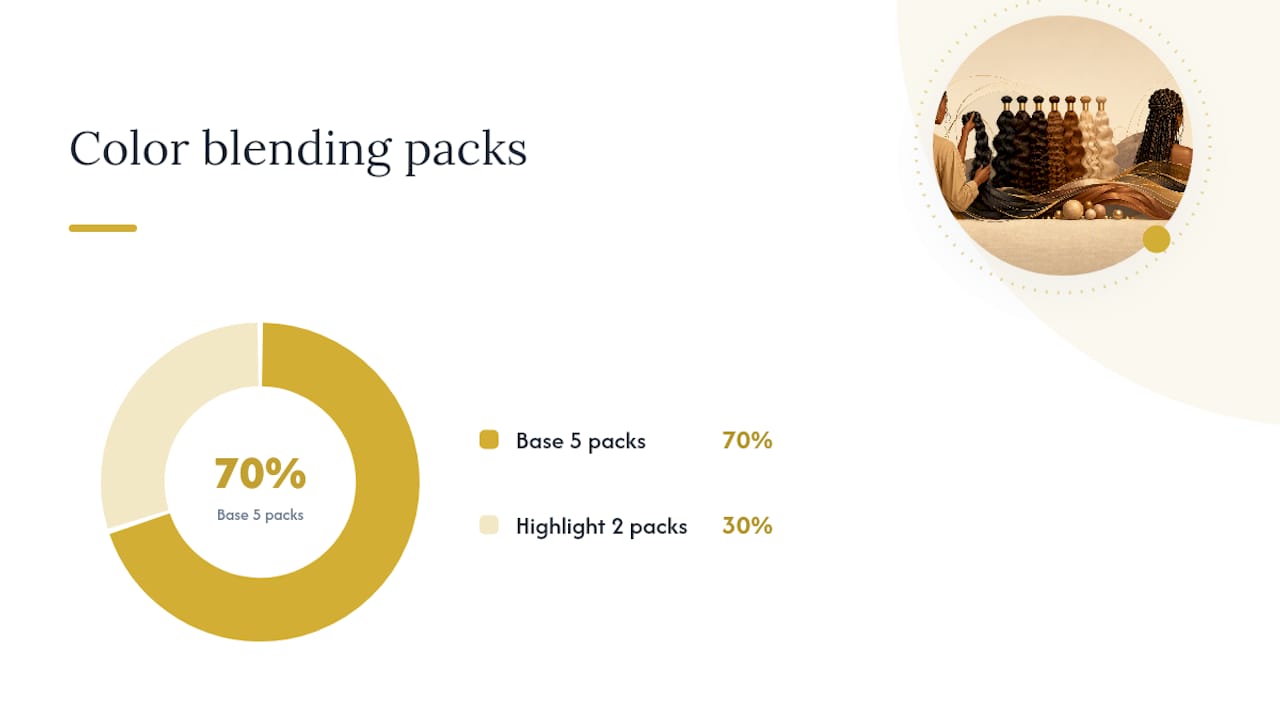
Placement matters as much as the ratio. A money-piece application puts your highlight shade only at the front frame, while alternating rows spreads it evenly through the whole head. Plan your packs before you shop: a full head typically needs six to eight packs total, so a 70/30 blend means roughly two packs of the highlight shade for every five of the base.
Prep and installation tips that stop tangling before it starts
Detangle and deep-condition your natural hair first. Textured hair blends better with extensions when it's been stretched, whether through banding, braiding overnight, or a low-heat blow-dry, reducing the mismatch that shrinkage causes between 3A and 4C patterns.
- Detangle fully and deep condition 24 to 48 hours before your appointment.
- Stretch natural hair using banding or a low-heat blow-dry to match extension density.
- Choose pre-stretched packs for faster installs, or bulk hair when you need more manual control over the blend.
- Keep tension light at the root and alternate pack placement row by row.
- Seal kanekalon ends with a quick hot-water dip once the braid is finished.
Many stylists finish kanekalon braids with a boiling-water dip to seal ends and reduce unraveling, though timing and technique vary by brand, so always check the package instructions before dipping. Deep conditioning beforehand isn't optional if you want your hair to hold up for six weeks or more.
Which texture pairs work best for each braid style
Style dictates texture choice more than personal preference does. Knotless and box braids call for pre-stretched kanekalon or yaki texture for that natural, blown-out finish. Boho and goddess braids lean on water-wave or deep-wave fiber for movement. Faux locs use marley almost exclusively for the rougher, more textured surface locs need to form properly.
- Knotless braids: pre-stretched kanekalon or yaki, brands like Rastafri and Ruwa make this easy.
- Box braids: kanekalon or toyokalon depending on how much shine you want.
- Faux locs: marley at the root, sometimes finished with a softer human-curly tip for movement.
- Boho braids: water-wave or deep-wave, often paired with curly ends for a face-framing effect.
- Twists: marley or a Catface blend for added grip without excess weight.
Avoid pairing a very slick, shiny toyokalon with a very gritty kanekalon in the same install. The friction mismatch causes one section to hold tight while the other slips, and that unevenness shows within days. Sassy Collection and similar brands built their catalogs around solving exactly that grip mismatch.
Fixing the most common mixed-texture problems
Tangling during install usually means your sub-bundles are too thick. Re-subdivide them into thinner sections and the problem often disappears mid-braid. Ends that unravel after a day or two need a proper hot-water seal, not just a tight final knot.
- Frizz from soft textures: swap the softest packs to the interior of the braid where friction is lower.
- Bulky roots: reduce pack density at the root, especially if you mixed a heavy texture with a light one.
- Scalp pain: this is your body telling you the pack is too heavy or the tension is too tight. Loosen the affected section immediately.
- Persistent tangling: remove and restart that section rather than fighting it for another hour.
Pro Tip: If scalp pain doesn't ease within the first hour after install, that's a red flag, not a break-in period. Stop, loosen the row, and consider rebooking with a professional rather than pushing through discomfort.
When to DIY and when to book a braider
Small installs, single braids, or practice runs on a color blend are fair game for a DIY afternoon. A full-head knotless install or a complex feed-in mix, especially on fragile or thinning hair, calls for a professional's hands and eye.
- Buy kanekalon or pre-stretched packs for knotless and box braids.
- Look for vendors offering pre-stretch and realistic matte color ranges, Rastafri, Ruwa, Sassy Collection, and Catface all fit that description.
- Bring color swatches, your brush-blended test bundle, and a rough pack count to your appointment so your braider can match your plan exactly.
Afromagicbraiding stocks pre-stretched and color-blended options in-store and offers professional installs when a mix is too complex to trust to a first attempt.
A quick note from the chair
What holds up best in our chair isn't the flashiest blend. It's the one prepped right, gritty texture at the root, honest color ratios, and ends sealed properly. Quality control and client comfort decide every mixing choice we make.
Ready to get your mixed-texture braid installed right?
Afromagicbraiding is the option for readers who want a mixed-texture braid without spending a Saturday troubleshooting bundle ratios themselves. We stock pre-stretched packs and pre-blended color options in-store, so you can walk in with a color swatch and walk out with a braid that's already properly sealed and sectioned, no boiling water on your own stove required.
Our portfolio shows real mixed-texture installs from knotless to faux locs, and our gallery has more examples if you're still deciding on a color ratio. When you're ready, book your appointment and bring any color swatches or bundle plans you've put together. If you'd rather ask questions first, our service list covers pricing and style options so you know what to expect before you sit down.
Frequently asked questions
Can you mix kanekalon and toyokalon in the same braid? Yes, but expect a grip mismatch. The gritty kanekalon sections will hold tighter than the slicker toyokalon ones, so alternate them in small sub-bundles rather than large blocks to keep the tension even.
How many packs do I need to mix two colors? For a 70/30 blend on a full head, plan roughly five packs of your base color and two of your highlight shade, adjusting based on your natural hair density and desired length.
Is pre-stretched hair better for beginners mixing textures? Generally yes. Pre-stretched packs skip the manual stretching step, install faster, and feel softer on the hands, which makes blending easier when you're still learning to gauge tension and pack placement.
Do I need to dip every synthetic braid in hot water? Only kanekalon and similar synthetics typically need a hot-water seal to prevent unraveling. Check your specific brand's package instructions first, since timing and water temperature vary between manufacturers.
Sources
- 7 Types of Kanekalon Hair for Braids Hairstylists and Editors Love | Allure
- Blend Hair Extensions with Your Natural Hair (Especially Textured Hair) - Ultimate Guide - Joice Hair
- Human Hair for Braiding Guide | Best Types & Lengths
- The Best Braiding Hair for Every Kind of Style in 2026