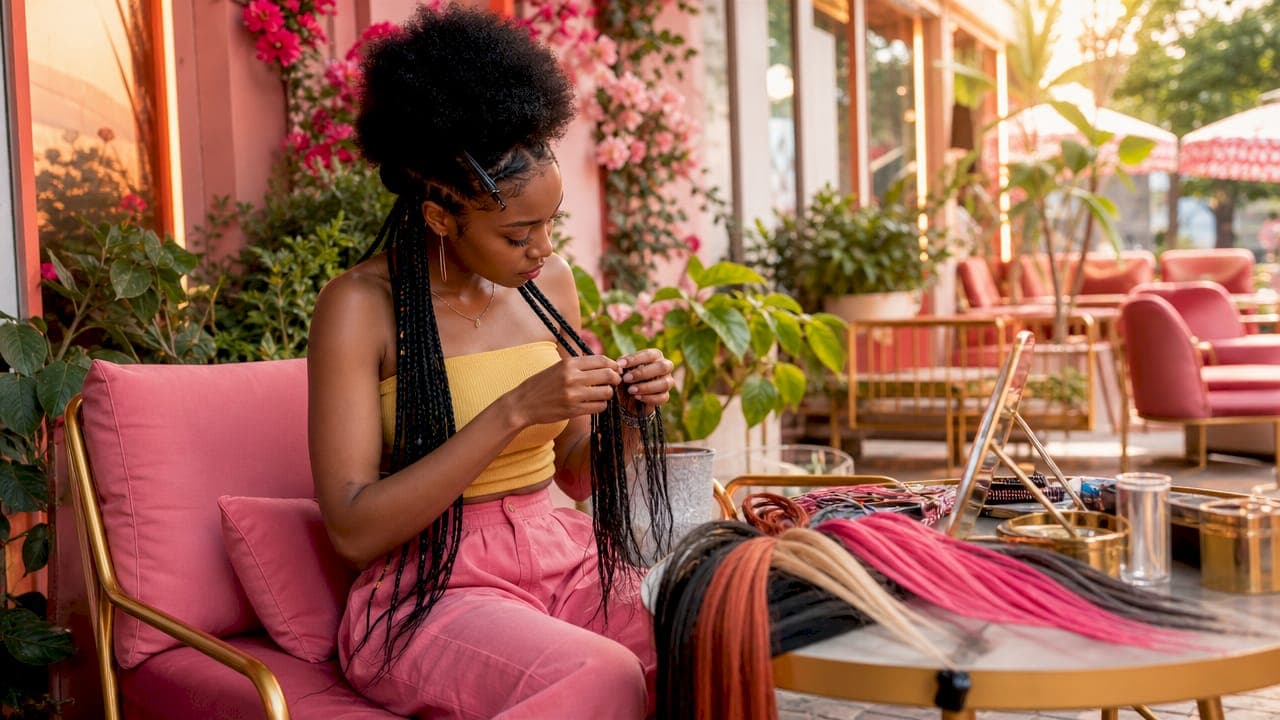
Afro hair braiding differences are defined by strand count, technique, installation method, and cultural meaning. Box braids, cornrows, twists, knotless braids, and Fulani-inspired styles each carry distinct technical requirements and protective benefits. Understanding these differences helps you choose a style that fits your hair health, lifestyle, and personal identity. At Afromagicbraiding, every braid tells a story rooted in tradition and craftsmanship. This guide breaks down the key distinctions across technique, style, fiber, cultural significance, and care so you can make informed, confident choices.
What are the main afro hair braiding differences?
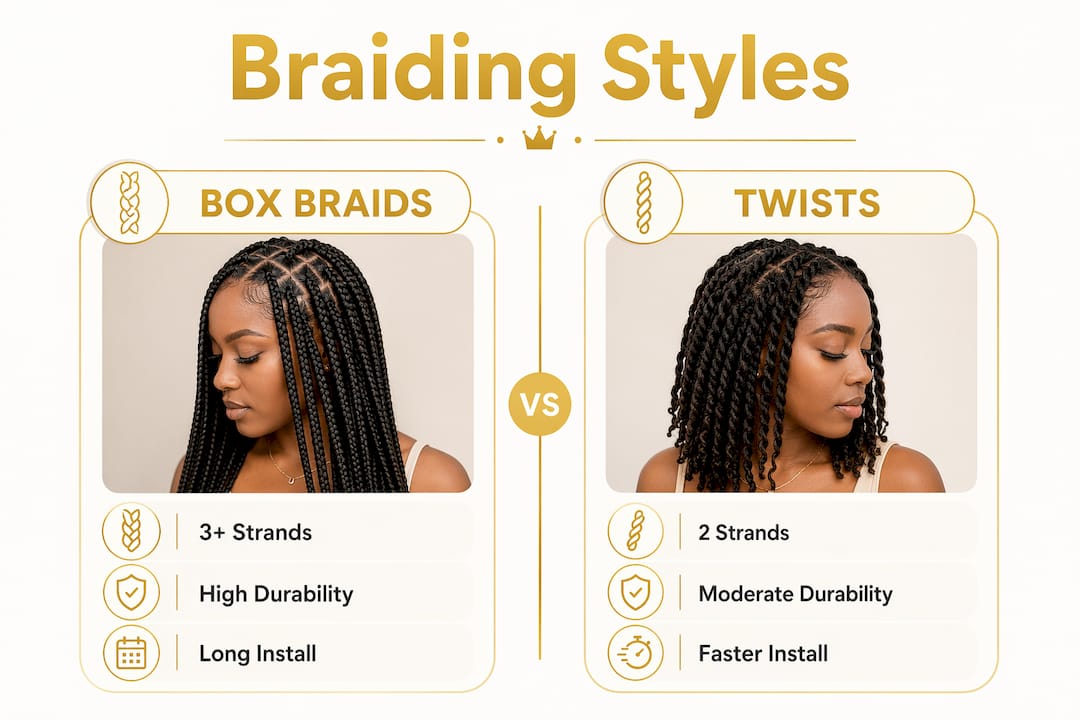
The most fundamental difference in hair braiding comes down to strand count and hand motion. Braids use three or more strands interweaved together, while twists wrap just two strands around each other. That single difference changes everything from durability to install time.
French braids use an "over" hand motion, which pulls strands flat against the scalp for a sleek finish. Dutch braids use an "under" motion, which pushes strands upward and creates a raised, three-dimensional effect. The visual result is dramatically different even though the two techniques share the same basic structure.
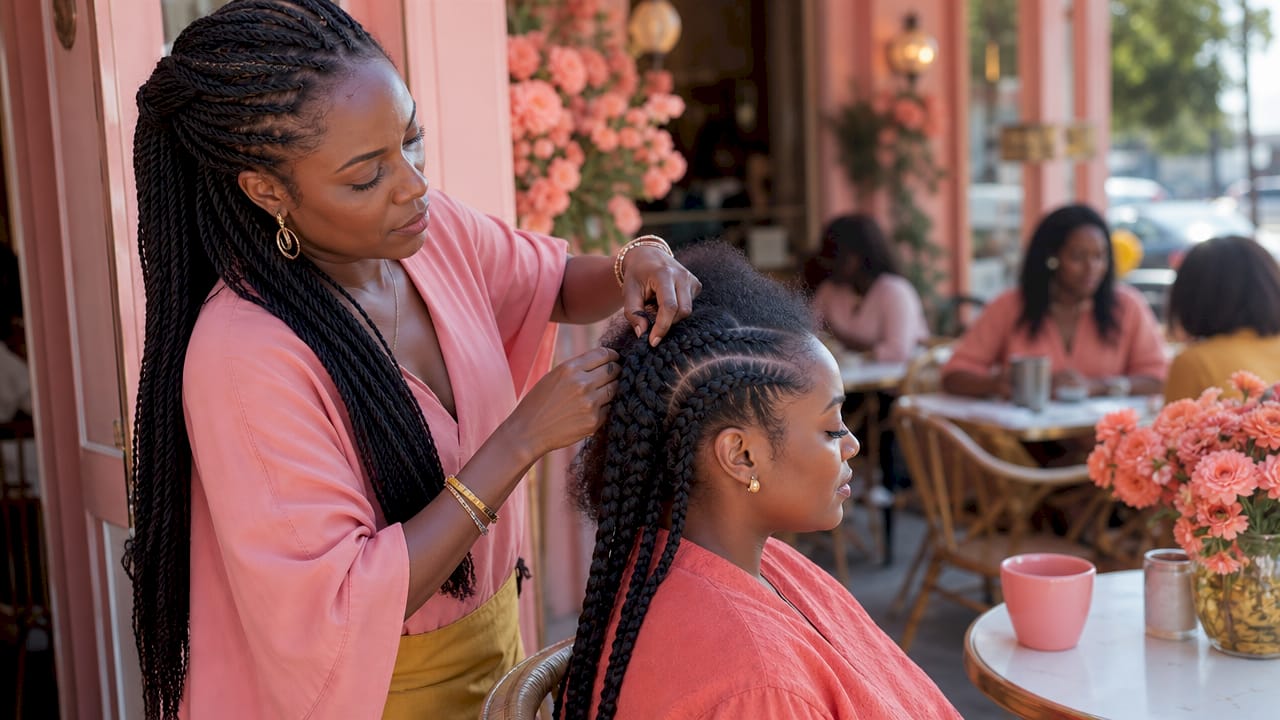
Knotless braids start with your natural hair and gradually feed in extensions, distributing weight evenly from root to tip. Traditional knotted box braids begin with a tight anchor knot at the scalp. Knotless methods reduce tension and lower the risk of traction alopecia, making them a better fit for fine edges or sensitive scalps.
| Technique | Strand count | Durability | Install time | Scalp impact |
|---|---|---|---|---|
| Box braids (knotted) | 3+ | 6–8 weeks | Longer | Higher tension |
| Knotless braids | 3+ | 6–8 weeks | Moderate | Lower tension |
| Twists | 2 | 2–4 weeks | Faster | Minimal |
| French braid | 3+ | Days to weeks | Moderate | Low |
| Dutch braid | 3+ | Days to weeks | Moderate | Low |
| Crochet braids | Varies | 4–6 weeks | Fastest | Minimal |
Pro Tip: If you have fine edges or a sensitive scalp, request the tension-free feed-in technique at your next appointment. It preserves your hairline while still delivering a full, polished look.
What are the most popular afro braiding styles?
Popular afro braid techniques span a wide range of looks, from sleek and structured to free-flowing and adorned. Each style has a distinct character, cultural origin, and maintenance profile. Knowing what sets them apart helps you pick the right fit for your hair and your life.
- Box braids: Individual three-strand plaits sectioned into square or diamond parts. They last 6–8 weeks and offer maximum styling versatility, from updos to half-up looks.
- Cornrows: Flat, continuous braids worked directly against the scalp in rows. They can be styled in straight lines, curves, or intricate geometric patterns.
- Ghana braids: A cornrow variation using a "banana-shaped" feed-in technique that creates thicker, more defined ridges with a distinct cultural identity.
- Fulani braids: Inspired by the Fulani people of West Africa, these combine cornrows with loose hanging braids, often decorated with beads or metallic cuffs at the ends.
- Goddess braids: Oversized, chunky cornrows that sit high on the scalp. They are bold, low-maintenance, and work beautifully with natural or added hair.
- Twists: Two-strand styles that install faster than braids and create a softer, more textured finish. Senegalese twists use smooth synthetic fiber; Marley twists use a coarser, more natural-looking fiber.
- Knotless braids: The tension-free evolution of box braids, ideal for long-term wear and scalp health. Learn more about top protective braid types and how they compare.
- Crochet braids: An installation method, not a braiding technique. Crochet styles use cornrow bases with extensions looped through, cutting salon time significantly compared to individual braiding.
- Cowgirl braids: A 2026 trend revival of jumbo feed-in box braids, often adorned with cowrie shells or beads. The name is new; the protective foundation is generations old.
How do hair fiber types affect your braiding results?
The fiber you choose shapes how your braids look, feel, and last. Human hair, Kanekalon synthetic fiber, and wool fiber each bring different strengths to the table, and the right pick depends on your style goals and scalp sensitivity.
Human hair blends naturally with textured hair and allows heat styling, which means you can curl the ends or add waves after installation. It costs more than synthetic options, but it lasts longer and looks the most natural. Human hair allows heat-styling unlike most synthetics, which is a major advantage for clients who want styling flexibility between appointments.
Kanekalon synthetic fiber is the most widely used extension fiber in African hair braiding. It is affordable, lightweight, and available in hundreds of colors and textures. It does not hold heat well, but for protective styles worn straight or in defined patterns, it performs reliably. Wool fiber, sometimes used for faux locs or Marley twists, has a soft, matte finish but tends to shed more over time.
Pro Tip: If your scalp runs sensitive or dry, avoid heavy wool fibers on fine sections. Lightweight Kanekalon or human hair blends reduce scalp stress and make moisturizing your roots much easier.
Choosing the right braid extension type before your appointment saves time and prevents regret. Ask your stylist to show you fiber samples so you can feel the weight and texture before committing.
What cultural and protective significance do afro braiding styles hold?
Afro braiding is one of the oldest forms of cultural communication in human history. Across West and Central Africa, braid patterns identified tribal affiliation, social status, age, and marital standing. A person's braids were a visual language read by their community long before written records existed.
Today, that cultural depth lives on in modern adornments. Cowrie shells, gold cuffs, and colored beads are not just decorative. They carry meaning rooted in prosperity, femininity, and spiritual protection across multiple African traditions. Wearing Fulani-inspired braids or Ghana braids with traditional adornments is an act of cultural affirmation, not just a style choice.
Protective styles also serve a practical purpose that is often misunderstood. They promote length retention by reducing daily manipulation, not by accelerating biological hair growth. That distinction matters. Braids protect your ends from friction and breakage, which allows your hair to retain the length it grows naturally. Read more about how braids protect natural hair and what that means for your long-term hair health.
Key protective style benefits include:
- Reduced manipulation: Fewer daily combing and styling sessions mean less mechanical breakage.
- End protection: Tucked or enclosed ends experience less friction against clothing and pillowcases.
- Moisture retention: Sealed styles slow down moisture loss in dry climates or during winter months.
- Scalp rest: Low-tension styles give follicles a break from heat tools and chemical processing.
"Every braid style carries a history. Choosing one with intention, whether for beauty, protection, or cultural pride, connects you to something much larger than a single appointment."
How should you care for afro braids to protect your hair?
Proper braid care determines whether your style lasts beautifully or causes damage. The most common mistake is leaving braids in too long. Timely takedown within 4–6 weeks prevents matting, tangling, and unnecessary stress on the hair shaft.
Heavy or small-section braids increase scalp tension and raise the risk of traction alopecia, a form of hair loss caused by repeated pulling at the follicle. Managing braid weight and section size at installation is the most effective prevention. Here is a practical care routine to follow:
- Wash every 2–3 weeks using a diluted sulfate-free shampoo applied directly to the scalp. Avoid scrubbing the braids themselves to prevent frizz.
- Moisturize your scalp weekly with a lightweight oil like jojoba or sweet almond oil. Focus on the roots, not the braid length.
- Wrap your hair nightly in a satin scarf or use a satin pillowcase. Cotton pulls moisture from braids and causes frizz at the roots.
- Avoid tight updos during the first week of installation. Pulling freshly installed braids into a high ponytail adds tension on top of tension.
- Schedule takedown at 4–6 weeks. Leaving braids beyond 8 weeks risks severe tangling and breakage during removal.
Pro Tip: Before removing your braids, apply a generous amount of conditioner or detangling oil to each braid from root to tip. Let it sit for 10 minutes. Removal becomes far gentler on your natural hair.
For style-specific advice, the box braids care guide at Afromagicbraiding covers everything from washing technique to takedown timing in detail.
Key Takeaways
Understanding afro hair braiding differences requires knowing how strand count, technique, fiber type, and cultural context each shape the final result and your hair health.
| Point | Details |
|---|---|
| Strand count defines the style | Braids use 3+ strands for durability; twists use 2 strands for faster install and softer texture. |
| Knotless beats knotted for scalp health | Feed-in knotless techniques reduce tension and lower traction alopecia risk significantly. |
| Fiber choice shapes the outcome | Human hair allows heat styling; Kanekalon is affordable and reliable for most protective styles. |
| Cultural meaning runs deep | Braid patterns historically communicated status, tribe, and identity across African communities. |
| Takedown timing protects your hair | Removing braids within 4–6 weeks prevents matting, tangling, and follicle stress. |
Why the name of a braid matters less than you think
I have watched the naming cycle in braiding culture repeat itself many times. Cowgirl braids are feed-in box braids. Goddess braids are oversized cornrows. The names shift with trends, but the techniques underneath stay rooted in the same African braiding traditions that have existed for centuries. Stylists who understand this continuity are the ones who truly serve their clients well.
What I find more meaningful than trend names is the conversation between a client and their stylist about hair health. The right style is not always the most popular one. It is the one that fits your hair density, your scalp sensitivity, your lifestyle, and how much maintenance you are willing to commit to. A gorgeous set of micro box braids on someone with fine edges and a tight schedule is a recipe for damage, not beauty.
Protective styling works when it is chosen with intention. The cultural pride that comes with wearing traditional afro braid styles is real and worth honoring. But that pride is best expressed through styles that keep your hair healthy enough to wear again and again. Choosing the right technique, the right fiber, and the right stylist is how you honor both the tradition and your hair.
— Afro
Afromagicbraiding: professional braiding rooted in expertise and care
Afromagicbraiding specializes in the full range of afro braid styles, from tension-free knotless braids to intricate Fulani-inspired looks and crochet installations. Every service is performed with your scalp health and style longevity in mind.
Whether you are ready to book your first protective style or want to see what is possible, the Afromagicbraiding portfolio showcases the full range of styles and the craftsmanship behind each one. Professional installation means the right tension, the right fiber, and a result that lasts. Book your appointment and let Afromagicbraiding bring your next braid style to life with the care and cultural respect it deserves.
FAQ
What is the main difference between braids and twists?
Braids interweave three or more strands and last 6–8 weeks, while twists wrap two strands together and install faster but may unravel sooner.
Are knotless braids better for your scalp?
Yes. Knotless braids distribute weight gradually using a feed-in technique, reducing scalp tension and lowering the risk of traction alopecia compared to traditional knotted styles.
How long should you keep afro braids in?
The recommended wear time is 4–6 weeks. Leaving braids beyond that window risks matting, tangling, and damage to the hair shaft during removal.
What hair fiber is best for afro braids?
Human hair offers the most versatility and durability, including heat-styling options. Kanekalon synthetic fiber is the most affordable and widely used choice for protective styles.
Is crochet braiding a type of braid?
Crochet braiding is an installation method, not a braiding technique. It uses a cornrow base with extensions looped through, which reduces salon time significantly compared to individual braid installation.