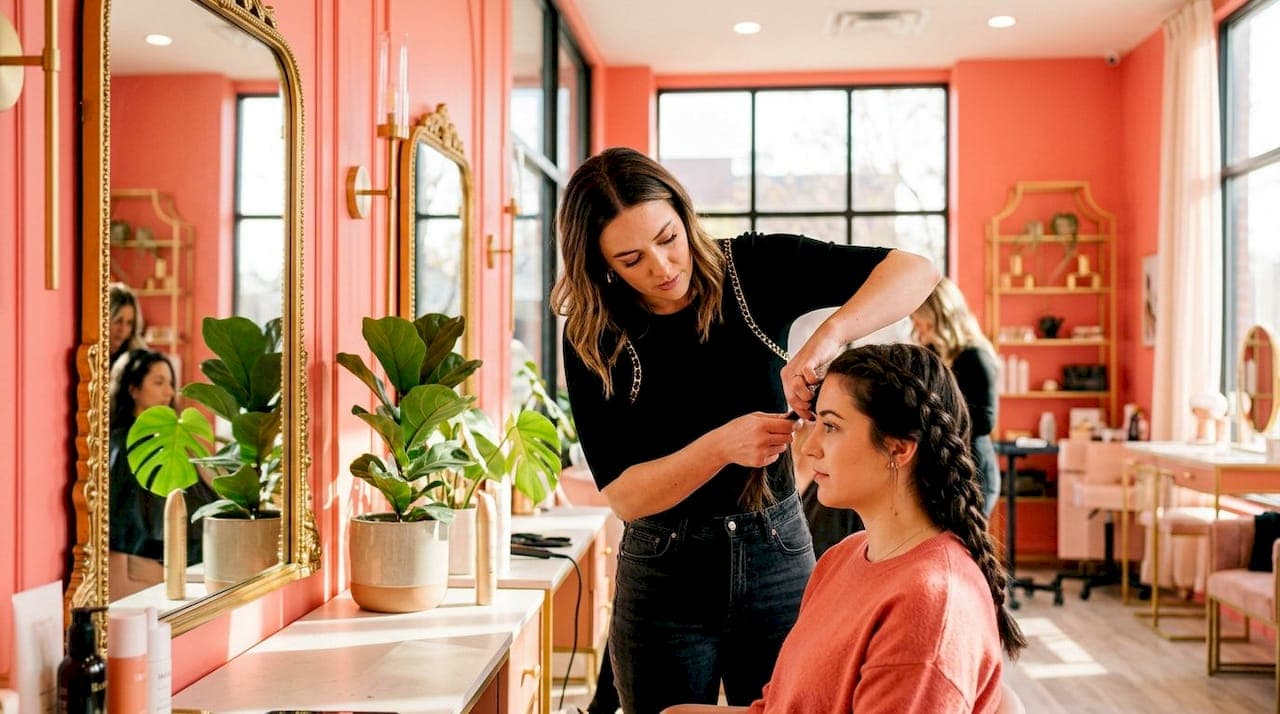
Natural hair is as strong as it is beautiful, but it also breaks easily when handled daily. That tension, friction, and environmental exposure add up fast. Understanding how braids protect natural hair changes the game entirely. Done right, braids are one of the most effective tools you have for retaining length, reducing manipulation, and giving your hair a real rest. Done wrong, they can cause the very damage you're trying to prevent. This guide breaks down exactly what makes a braid style truly protective and what you need to know to make it work for you.
Table of Contents
- Key takeaways
- How braids protect natural hair
- What makes braids protective or damaging
- Maintenance tips that keep braids working for your hair
- Comparing braid types for natural hair protection
- My honest take on braids and hair health
- Experience the Afromagicbraiding difference
- FAQ
Key takeaways
| Point | Details |
|---|---|
| Braids retain length, not speed growth | Hair grows about 1 cm per month; braids protect that growth by reducing breakage. |
| Tension is the deciding factor | Pain during installation signals potential follicle damage and traction alopecia risk. |
| Wear time matters | Extensions should stay in 4 to 8 weeks maximum to prevent matting and root damage. |
| Maintenance keeps braids protective | Moisturizing and cleansing your scalp every 1 to 2 weeks prevents buildup and dryness. |
| Rest periods are non-negotiable | Back-to-back braiding sessions cause cumulative scalp stress and long-term hair loss. |
How braids protect natural hair
Braids work by doing something simple but powerful: they reduce how often your hands, tools, and environment touch your hair. Every time you detangle, style, or even sleep without protection, your strands rub against each other and against surfaces. That friction chips away at the cuticle layer over time, leading to split ends and breakage.
When your hair is braided, the ends are tucked away and shielded. Hair grows approximately 1 cm per month, but most people never see that growth because it breaks off before it reaches a noticeable length. Braids interrupt that cycle by minimizing the daily wear that causes those breaks.
The benefits of braids for natural hair go beyond just keeping your hands out of it. Here is what happens at a structural level:
- Reduced friction: Your strands are no longer loose and brushing against your collar, pillowcase, or each other all day.
- Protected ends: The most fragile part of any strand, the tip, gets tucked into the braid itself and shielded from exposure.
- Environmental defense: Wind, dry air, and cold weather pull moisture from exposed natural hair. Braids create a barrier that limits that exposure.
- Consistent moisture retention: Sealed braids hold in product longer, giving your strands time to absorb hydration without constant reapplication.
- Lowered manipulation: Less combing, brushing, and restyling means fewer opportunities for your hair to snap.
Pro Tip: Apply a light water-based leave-in to your hair before braiding, not just after. Starting with moisture sealed in from day one gives your strands a better foundation throughout the entire install.
One thing worth clarifying: braids do not make your hair grow faster. What they do is help you hold onto the growth your follicles are already producing. That distinction matters when you are setting expectations and choosing a protective style strategy.
What makes braids protective or damaging
Here is where most people get tripped up. Not all braids are created equal, and the line between a protective style and a damaging one comes down to a few specific variables.
Tension is the biggest factor. Pain during braid installation signals excessive tension that can cause permanent follicle damage. If your scalp is throbbing after leaving the salon, that is not a sign the style will settle. That is a warning sign. Soreness, bumps along the hairline, and headaches after styling are red flags that should not be ignored.
Traction alopecia is preventable with early action, but if tension goes unaddressed, it can cause permanent scarring of the follicle. Recovery typically takes 6 to 12 months when caught early. That is a long time to lose progress toward your hair goals.
The following factors all affect how much tension your scalp experiences:
- Braid size: Very small or micro braids put more stress on each section of scalp they originate from.
- Extension weight: Heavy extensions and very small braids dramatically increase traction risk. Lighter hair and medium to larger sections are far safer.
- Hairline braiding: Your edges are the most delicate part of your hair. Tight cornrows or braids pulled back from the hairline are a leading cause of traction-related loss.
- Wear duration: Leaving braids in beyond the recommended time causes your new growth to tangle with the existing braid, making removal brutal.
Pro Tip: If your braid feels uncomfortable within the first 24 to 48 hours after installation, do not wait it out. True protection requires comfort within the first couple of days. Loosen the braid yourself or return to your stylist immediately.
The recommended wear time for braided extensions is 4 to 8 weeks. For natural hair styles without extensions, 2 to 4 weeks is the safer window. Beyond those limits, your new growth starts to mat at the root, and matting from new growth causes significant breakage during takedown. All the length you retained ends up on the floor anyway.
Maintenance tips that keep braids working for your hair
Getting installed is the first step. What you do in the weeks that follow determines whether the style actually protects your hair or quietly damages it.
Here is a practical routine to follow during any braided style:
- Moisturize every 2 to 3 days. Use a lightweight, water-based leave-in sprayed directly onto your scalp and along the length of your braids. This maintains elasticity and prevents your hair from becoming brittle inside the braid.
- Cleanse your scalp every 1 to 2 weeks. Apply diluted shampoo to your scalp using a spray bottle or applicator nozzle. Work it in gently with your fingertips. Regular scalp cleansing removes buildup and prevents folliculitis, an inflammation of the hair follicle that causes painful bumps.
- Protect your hair at night. Sleep with a satin or silk bonnet or on a satin pillowcase. This cuts down on the frizz-causing friction that loosens braids and dries out your edges overnight.
- Check in on your edges weekly. Look for thinning, bumps, or scalp tenderness around your hairline. Catching early signs of stress lets you take action before damage sets in.
- Plan your takedown carefully. Do not rush removal. Use a detangling spray or conditioner to soften the braids, and work gently from the tips toward the root. Rushed takedowns cause more breakage than any other single mistake.
Pro Tip: Apply a scalp oil like jojoba or peppermint-infused oil to your scalp once a week. It supports circulation and keeps the scalp environment healthy under braids. Read more about scalp health under braids to build a full routine.
Rest periods are just as important as any care routine. Experts consistently recommend taking breaks between braiding sessions to allow follicles to recover. Two to four weeks of wearing your hair loose between installs gives your scalp the reset it needs. Back-to-back protective styling without breaks can cause cumulative stress that leads to traction alopecia even without a single braid being too tight.

Comparing braid types for natural hair protection
Not all protective styles offer the same level of comfort and protection. The construction technique matters as much as the style itself. Here is how the most popular options compare:
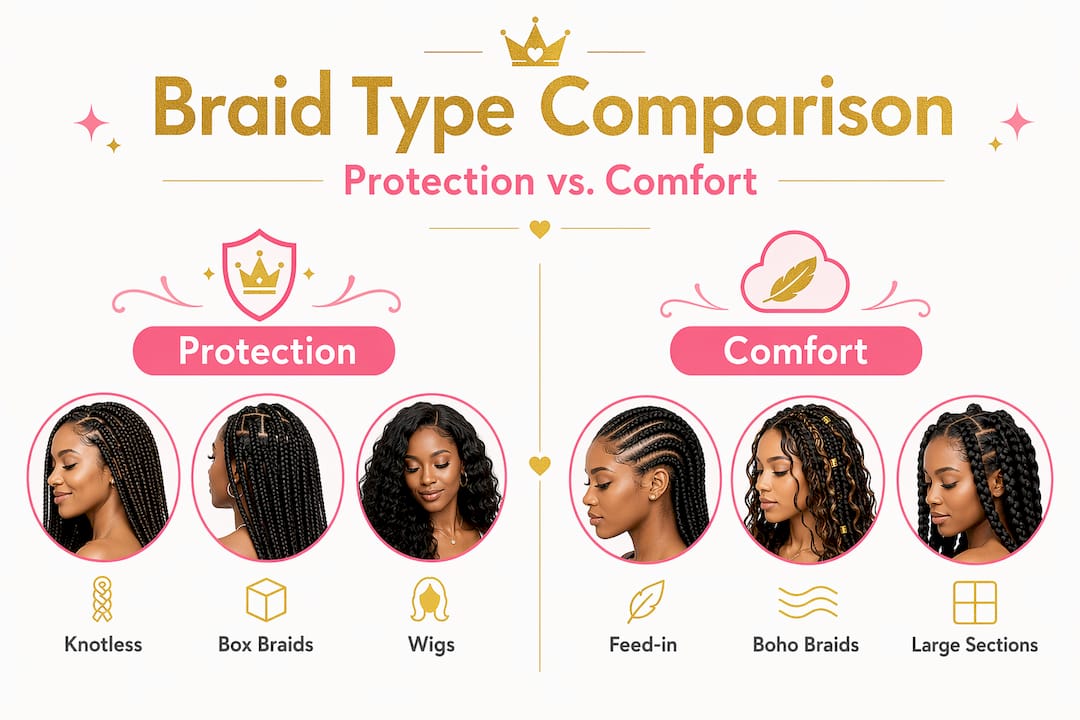
| Braid Style | Tension Level | Scalp Access | Protective Benefit | Best For |
|---|---|---|---|---|
| Knotless box braids | Low | Good | High | All textures, sensitive scalps |
| Traditional box braids | Medium | Good | High | Most natural hair types |
| Feed-in cornrows | Low to medium | Limited | High | Edges, delicate hairlines |
| Tight cornrows | High | Very limited | Low | Not recommended long-term |
| Boho braids | Low | Good | Medium to high | Length retention with texture |
| Braided wigs | None | Full | Very high | Rest periods, transitioning |
Knotless braids and feed-in techniques distribute tension evenly across the scalp by gradually adding hair rather than anchoring a large knot at the root. This makes them especially friendly for delicate edges and fine textures.
Braided wigs deserve a mention here because they offer full scalp access for cleansing and moisturizing while still giving you the look of a braided style. They are an excellent option during rest periods or for anyone whose scalp needs a complete break. Learn more about braided wig options if you want protective styling without any scalp tension at all.
For anyone choosing between knotless, box, and boho styles, the general rule is this: opt for larger sections, lighter extensions, and a technique that starts gently at the root. That combination lowers your traction risk significantly while keeping the style beautiful.
My honest take on braids and hair health
I have worked with enough clients to know that the "pain is beauty" mentality around braiding is genuinely dangerous. I have seen women come in with thinning edges and tender scalps who had been told that the tightness meant the braids would last longer. That is simply not true. A braid that causes pain on day one is not protective. It is harmful.
What I have learned over years of working with natural hair is that the women who see the most growth retention are not the ones who get the tightest installs or keep their braids in the longest. They are the ones who treat braids as a tool in their hair care routine, not just a fashion choice. They moisturize consistently, they take their braids down on time, and they give their scalp a break between sessions.
My advice: choose your stylist as carefully as you choose your style. A good braider will ask about your scalp sensitivity, recommend an appropriate technique for your texture, and never dismiss discomfort. Every braid tells a story, and yours should be one of care and confidence, not damage and regret.
— Afro
Experience the Afromagicbraiding difference

At Afromagicbraiding, we believe protective braiding is an art and a responsibility. Every client who sits in our chair deserves a style that protects their hair and honors their scalp. Our team specializes in knotless, feed-in, and low-tension techniques designed specifically for natural hair, whether your goal is length retention, edge protection, or simply giving your hair a well-deserved rest.
Browse our braid style portfolio to see the range of protective styles we offer, from classic knotless braids to Fulani-inspired looks. We take the time to understand your hair history, your scalp health, and your lifestyle before making any recommendations. Ready to get started? Book your appointment online and let us create something that is truly protective, genuinely beautiful, and uniquely yours. Your hair deserves that kind of care.
FAQ
How do braids actually protect your hair?
Braids protect natural hair by minimizing daily manipulation, shielding fragile ends, and reducing friction from clothing and bedding. They allow you to retain the length your hair already grows without interference from daily styling.
Do braids help with hair growth?
Braids do not speed up hair growth, but they help retain the growth your scalp already produces by reducing breakage. Hair grows roughly 1 cm per month regardless of style.
How long should you keep braids in?
Braided extensions should be worn for 4 to 8 weeks maximum, while natural hair styles without extensions are safest for 2 to 4 weeks. Leaving braids in longer leads to root matting and breakage during removal.
Can braids cause permanent hair loss?
Yes, tight braids left unaddressed can cause traction alopecia, which may lead to permanent follicle scarring. Catching tension issues early and removing tight styles promptly gives your hair the best chance at full recovery.
What is the best braid type for natural hair protection?
Knotless braids and feed-in techniques are the most protective options because they distribute tension evenly and reduce pulling at the root. They are especially good for sensitive scalps and delicate edges.