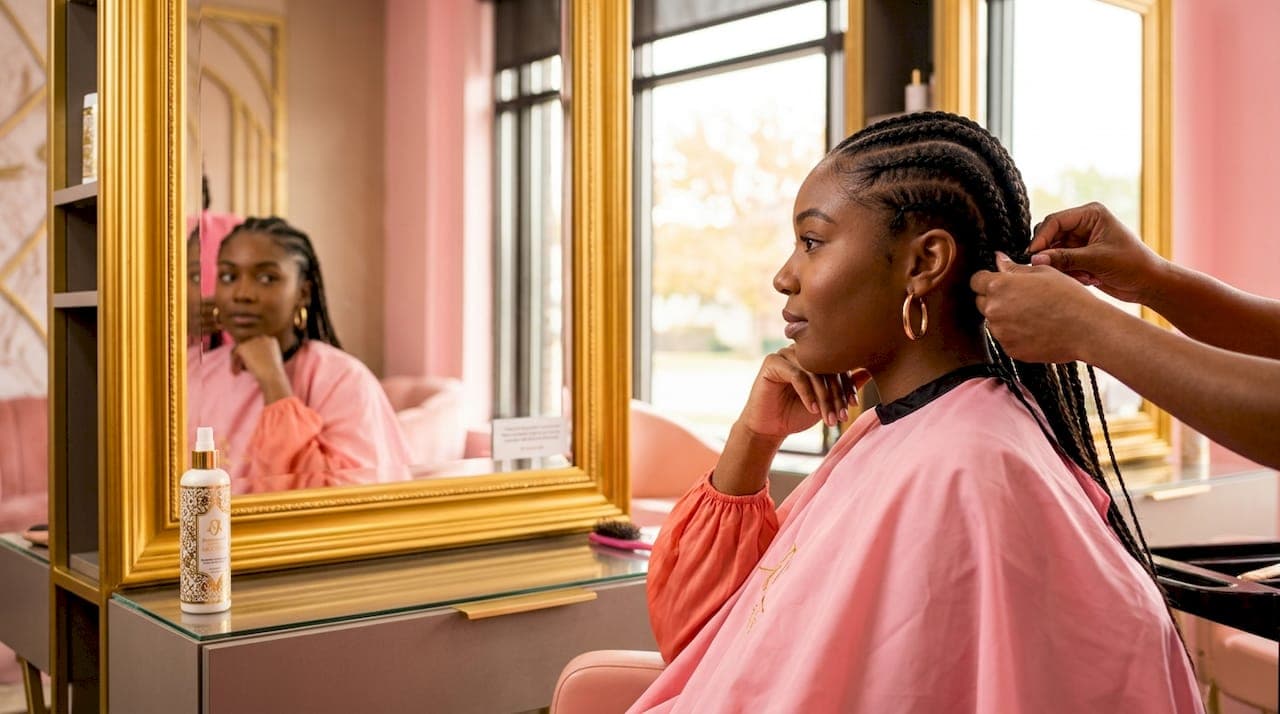
If you've heard that braids are painful, damaging, or just too heavy on your scalp, it's time to reconsider. What is feed-in braids, exactly? It's a technique where synthetic hair is gradually added to your natural hair during braiding, creating fuller, longer plaits that look natural and sit lighter on your scalp. This guide breaks down how the technique works, how it compares to other braid styles, what to expect from local Southfield salons, and how to care for your braids once they're in.
Table of Contents
- What are feed-in braids and how do they work?
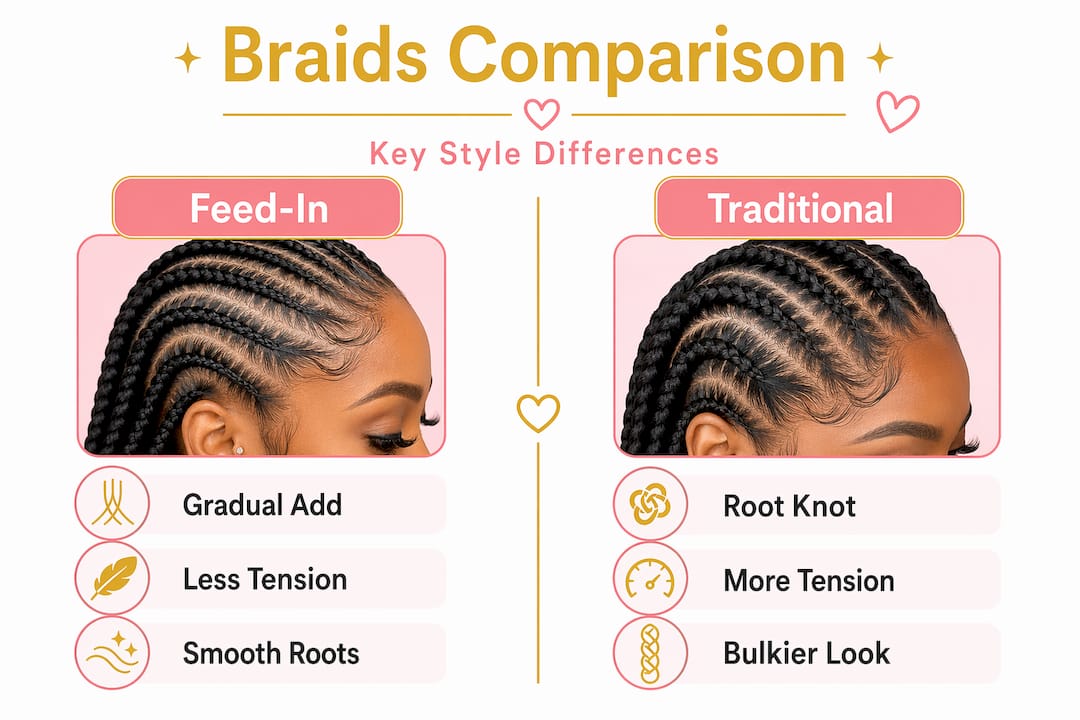
- Feed-in braids versus knotless and traditional braids: key differences and benefits
- Getting feed-in braids in Southfield: pricing, salon options, and what to expect
- Choosing and caring for braiding hair for feed-in braids
- Why feed-in braids might be the best protective style for Southfield women
- Get expert feed-in braids with Afro Magic Braiding in Southfield
- Frequently asked questions
Key Takeaways
| Point | Details |
|---|---|
| Feed-in braids explained | Feed-in braids are made by gradually adding synthetic hair to natural hair for a thick, natural look without tight knots. |
| Comparison to other braids | Compared to traditional and knotless braids, feed-in braids offer less scalp tension and a more natural appearance. |
| Southfield pricing varies | Local feed-in braid costs range from $50 to $75+, influenced by braid count, length, and hair supplied. |
| Hair choice impacts comfort | Using lightweight, tangle-free pre-stretched hair like Kanekalon enhances braid appearance and scalp comfort. |
| Proper care extends style | Maintaining feed-in braids with gentle washing and scalp hydration helps keep them looking fresh for weeks. |
What are feed-in braids and how do they work?
Feed-in braids are one of the most talked-about protective styles right now, and for good reason. As Byrdie explains, feed-in braids are created by gradually feeding synthetic hair into natural hair to produce thick, natural-looking braids. Instead of attaching a large clump of extension hair at the root, your stylist weaves in small amounts of synthetic hair bit by bit as the braid moves down your head.
This gradual addition is what makes the style look so natural. There's no visible bulk at the root, no sudden thickness jump, and no awkward knot where your hair and the extension meet. The braid just... flows. That seamless effect is exactly what makes this technique stand out from older methods.
Here's what makes the feed-in braid technique work so well:
- Kanekalon synthetic hair is the most popular choice because it closely mimics the look and feel of natural hair after it's been stretched
- Pre-stretched hair with feathered ends blends more smoothly with your roots, reducing visible lines between natural and extension hair
- Smaller initial hair additions mean lighter tension at the scalp from the very start of each plait
- The gradual layering of hair creates a tapered look at the root that looks like the braid grew directly from your scalp
Pro Tip: Ask your stylist to use pre-stretched hair with feathered tips rather than blunt-cut extensions. Feathered ends blend almost invisibly with your natural hair, and the result looks noticeably more polished.
Feed-in braids work beautifully on a wide range of natural hair types. Whether your hair is 4C, 3B, or anywhere in between, a skilled stylist can tailor the tension and hair selection to suit your texture and length.
Feed-in braids versus knotless and traditional braids: key differences and benefits
Understanding what separates these three styles helps you make a smarter choice at the salon. The differences go beyond just appearance.
Traditional box braids attach extension hair at the root using a knot. That knot creates instant tension right at the base of each section. Over time, especially if the braids are heavy, that tension can cause traction alopecia, a form of hair loss caused by repeated pulling at the hairline and crown.
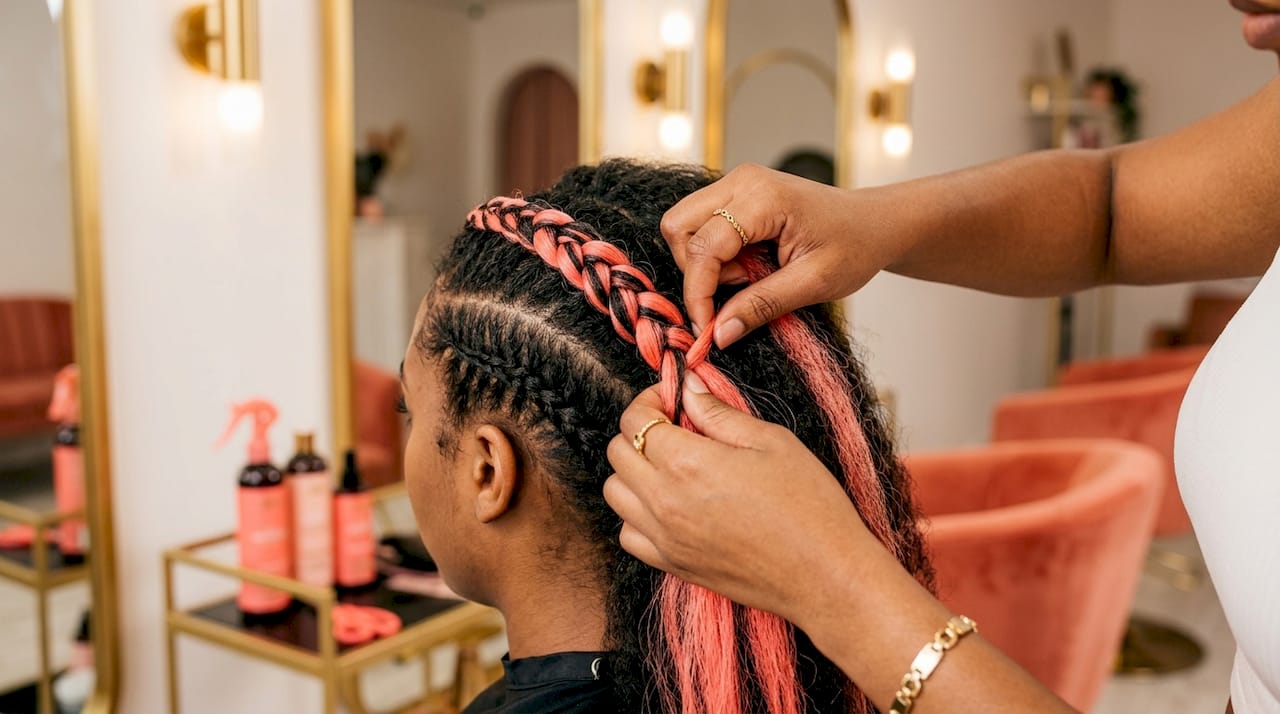
Feed-in braids skip that initial knot entirely. Hair is introduced gradually, which means the root starts light and only becomes fuller as the braid moves toward the ends. The result is less strain on your scalp from the very first stitch.
Knotless braids take the feed-in concept one step further. As InStyle reports, knotless braids avoid a root knot altogether, using the feed-in method to result in less tension and breakage than traditional box braids. Explore more style comparisons in this helpful braid style guide.
Here's a quick comparison to help you decide:
| Feature | Traditional box braids | Feed-in braids | Knotless braids |
|---|---|---|---|
| Root knot | Yes | No | No |
| Scalp tension | High | Low to moderate | Lowest |
| Natural appearance | Moderate | High | Very high |
| Breakage risk | Higher | Lower | Lowest |
| Installation time | Moderate | Moderate to long | Longer |
| Best for | Volume, length | Natural look, comfort | Sensitive scalps, hair growth |
A few more things worth knowing before your appointment:
- Installation typically takes several hours depending on braid count and length
- Longer or thicker styles naturally require more time and hair
- Correct cleansing between appointments keeps your scalp healthy and your style lasting longer
- Avoid waiting too long to remove braids; leaving them in past eight weeks can lead to tangling and matting at the root
Getting feed-in braids in Southfield: pricing, salon options, and what to expect
If you're in the Southfield area, you have real options. But pricing and service structures can vary more than you might expect, so knowing what to ask before you book saves you from unpleasant surprises.
According to local Southfield listings, feed-in braids in the area are priced starting at $50 and can run $75 or higher depending on braid count, length, and the hair bundles required. A standard session runs around one hour and 15 minutes for simpler styles, but more elaborate looks can take significantly longer.
One important detail: not every salon provides the braiding hair as part of the service fee. Some Detroit-area providers require clients to bring their own pre-stretched braiding hair to the appointment. Showing up without the right hair can mean your appointment gets rescheduled.
Here's what to confirm before you book:
- Does the price include braiding hair, or do you need to bring your own bundles?
- How many packs of hair does the stylist recommend for your desired length and fullness?
- Is a shampoo or scalp treatment included, or is that a separate add-on?
- What is the cancellation or rescheduling policy if you need to change your appointment?
- Does the salon specialize in protective styles, or is braiding just one of many services they offer?
Pro Tip: When booking feed-in braids for the first time, request a consultation call or message exchange with the stylist beforehand. Share a photo of your desired style. This helps the stylist plan hair quantity and gives you a more accurate time and price estimate.
Choosing a salon that specializes in braiding, rather than a general hair salon that also does braids, makes a meaningful difference in technique, time, and overall scalp comfort.
Choosing and caring for braiding hair for feed-in braids
The hair you use matters just as much as the technique. The wrong braiding hair can cause itching, excessive weight, and a finish that looks artificial no matter how skilled the stylist is.
Kanekalon pre-stretched synthetic hair is widely recommended because it's lightweight, tangle-resistant, and close to natural hair texture. Its slightly matte finish mimics blow-dried natural hair, and the feathered ends integrate cleanly into your braid from root to tip. You can explore more about different braid extension types to see how Kanekalon compares to other options.
For maintenance, small habits make a big difference over the weeks your braids are in:
- Cleanse your scalp every one to two weeks using a diluted shampoo or a spray cleanser designed for braids
- Moisturize your scalp lightly with a water-based product or light oil to prevent dryness and flaking
- Sleep with a silk or satin scarf or bonnet every night to reduce frizz, prevent breakage at the hairline, and keep your braids looking fresh longer
- Avoid heavy products like thick butters or greasy oils that build up on the scalp and braid surface; lightweight oils like jojoba or grapeseed are better choices
- Do not over-manipulate the braids by constantly restyling or pulling them into tight updos every day
Pro Tip: Before your appointment, do a thorough deep conditioning treatment on your natural hair. Going into braids with well-moisturized hair means your strands are stronger and more resilient during installation and throughout the weeks you wear the style. This step-by-step braid care guide walks through exactly how to prep and maintain your hair.
Why feed-in braids might be the best protective style for Southfield women
Here's an opinion you won't often hear said plainly: the braiding technique matters more than the style itself. You can request the trendiest Fulani-inspired cornrows or the most intricate knotless box braids, but if the foundation is tight, rushed, or uses the wrong hair, your scalp and your edges will pay for it.
Feed-in braids have earned a permanent place in the rotation of protective styles not just because they look beautiful, but because they respect your hair. As InStyle notes, feed-in braids offer a balance of natural look and reduced tension that supports hair growth and scalp health over time. That's not a minor benefit. For women working to retain length, recover from breakage, or simply maintain a healthy scalp between relaxers or heat styling, this technique is genuinely protective in the truest sense.
What we see at Afro Magic Braiding is that the clients who experience the best results with feed-in braids are the ones who treat the process as an investment, not just a styling appointment. They come in with their hair prepped and moisturized. They ask questions. They follow through on the nighttime care routine. They book their takedown appointment before the braids get too old.
The Southfield community deserves braiding services built on expertise and genuine care for healthy braid styles. Every braid tells a story, and yours should be one of confidence, comfort, and a style that lasts.
Get expert feed-in braids with Afro Magic Braiding in Southfield
Ready to experience feed-in braids done right? At Afro Magic Braiding, we specialize in protective styles that honor your hair and your confidence. Our skilled stylists use tension-free feed-in techniques to deliver beautiful, natural-looking results while keeping your scalp comfortable throughout.
Booking is easy. You can schedule your appointment online with transparent pricing, clear service descriptions, and no guesswork. Before your visit, browse our braid style portfolio to find inspiration and bring your vision to your appointment. Whether you're new to feed-in braids or a longtime protective style enthusiast, our team is here to make the experience exceptional from the first stitch to the last. Reach out to us with any questions. We'd love to hear from you.
Frequently asked questions
How long do feed-in braids typically last?
Feed-in braids generally last around six to eight weeks with proper care and maintenance. As with knotless braids that use similar feed-in techniques, lasting about two months is realistic with correct washing and careful removal.
Do I need to bring my own hair for feed-in braids appointments in Southfield?
Some Southfield salons ask clients to bring their own pre-stretched braiding hair, but this varies by provider, so confirm when booking. For example, one Detroit-area salon requires clients to bring a pack of 50-inch pre-stretched braiding hair to their feed-in braids appointment.
Is feed-in braiding harmful to my natural hair?
When done properly with light tension and quality hair, feed-in braids can protect natural hair and reduce breakage compared to traditional braids. Feed-in and knotless braids reduce tension and breakage by avoiding the tight root knots common in traditional box braids.
What type of braiding hair looks most natural in feed-in braids?
Kanekalon pre-stretched synthetic hair is commonly recommended for its natural look, lightweight feel, and ease of installation. Kanekalon hair mimics blow-dried natural hair and has feathered ends that blend neatly into the braid from root to tip.