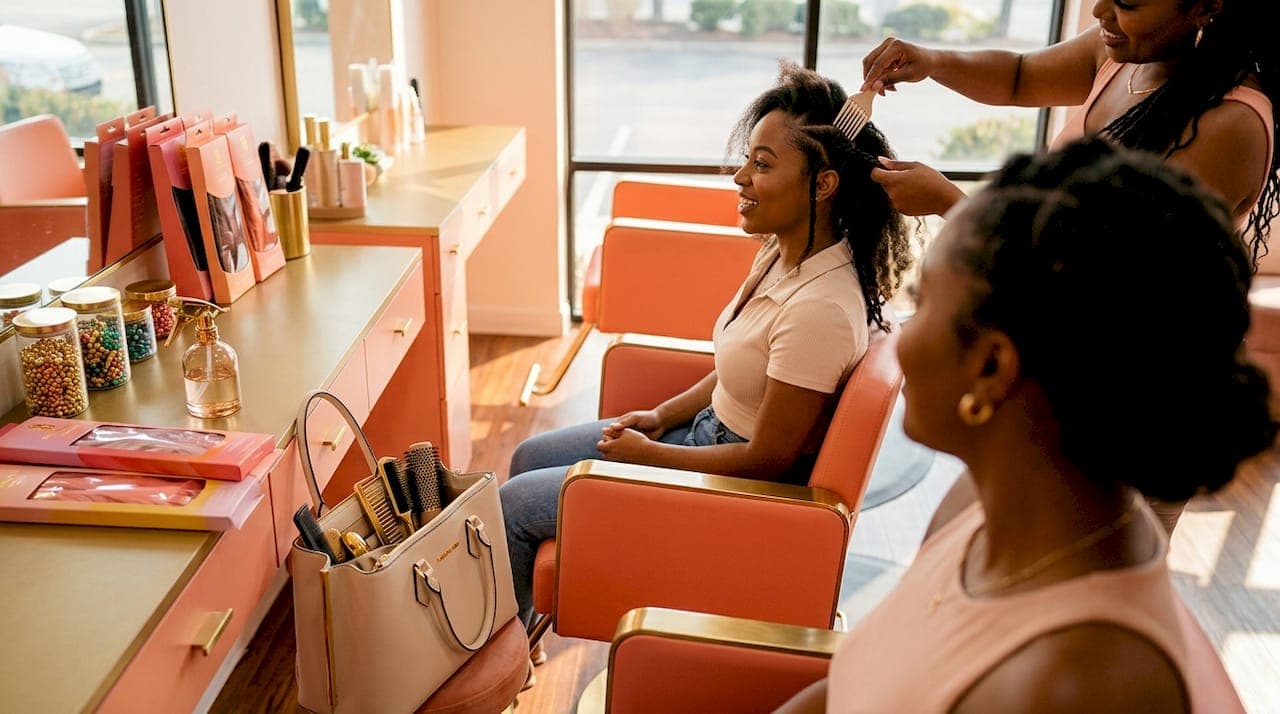
You want Fulani braids that look stunning, last for weeks, and don't leave your scalp screaming by day three. That's a completely reasonable goal, and yet so many women in Southfield walk away from their install with tight roots, frizz by week two, or braids that start slipping before they even get home. The difference between a beautiful, long-lasting protective style and a frustrating one usually comes down to three things: preparation, the right stylist, and knowing how to care for your braids once they're in. This guide covers all three, step by step.
Table of Contents
- What are Fulani braids?
- Everything you need before your appointment
- How to care for your Fulani braids
- How long to keep and when to remove Fulani braids
- Finding a Fulani braids stylist in Southfield
- A fresh perspective: Beyond the style – the truth about Fulani braids and healthy hair
- Ready for your next Fulani braids look? Book with a trusted Southfield stylist
- Frequently asked questions
Key Takeaways
| Point | Details |
|---|---|
| Proper prep matters | Starting with clean, moisturized hair ensures Fulani braids last longer and look their best. |
| Nightly care is crucial | Wrapping with silk or satin and light moisturizing helps prevent damage and scalp irritation. |
| Monitor braid tightness | Braids should never cause lasting pain—too much tension can harm your hair and scalp. |
| Book qualified stylists | Finding experienced Fulani braid specialists boosts safety and style results. |
| Give your hair breaks | Take 2–3 weeks between installs to deep condition and maintain healthy growth. |
What are Fulani braids?
Fulani braids originate from the Fula people, an ethnic group spread across West and Central Africa. This style carries deep cultural meaning, traditionally worn as a symbol of identity, beauty, and community. Today, Fulani-inspired braids have become one of the most requested protective styles in salons across the country, and for good reason. Every braid tells a story rooted in generations of craftsmanship.
The signature look includes a central cornrow running from the front to the back of the head, paired with side cornrows that feed into longer braids. Beads, cowrie shells, and metallic cuffs are classic accessories that complete the style. You can explore a local braid gallery to see how different stylists interpret this look, because no two installs are exactly alike.
How Fulani braids compare to other popular styles:
| Style | Key feature | Tension level | Typical wear time |
|---|---|---|---|
| Fulani braids | Central cornrow, beads, side braids | Medium | 4 to 6 weeks |
| Knotless Fulani | Same look, feed-in technique at root | Low | Up to 8 weeks |
| Box braids | Individual square sections | Medium to high | 6 to 8 weeks |
| Boho braids | Loose curly ends, wavy texture | Low to medium | 4 to 6 weeks |
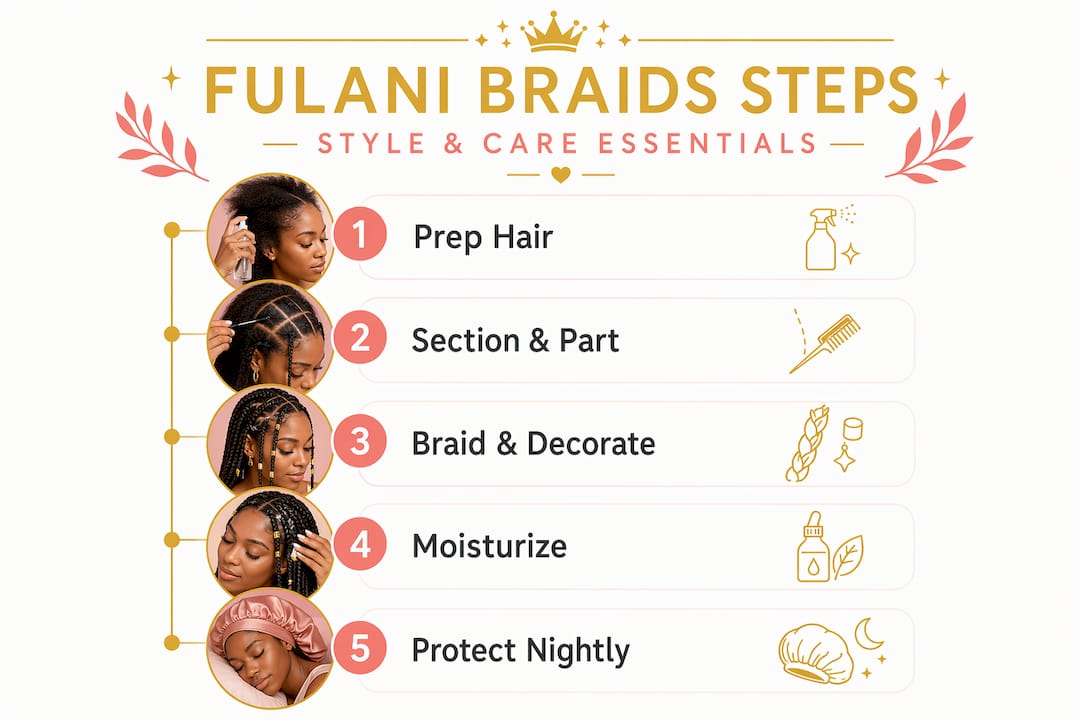
The knotless variation is especially popular right now because knotless techniques reduce scalp tension and can last up to around two months with proper preparation and maintenance. Traditional Fulani braids start with a knot at the root, which can feel tighter in the first few days. Knotless Fulani braids use a feed-in method, adding hair gradually so the root stays flat and comfortable.
Key features to look for in authentic Fulani braids:
- A single central cornrow from hairline to nape
- Two or more side cornrows that curve toward the back
- Individual braids hanging down from the cornrows
- Decorative beads, cuffs, or shells woven in at the ends or mid-braid
- Optional parting designs or geometric patterns near the temples
For a deeper comparison of braid types, our complete braiding style guide breaks down the differences so you can walk into any salon knowing exactly what to ask for.
Pro Tip: When booking, specifically ask for "knotless Fulani braids" to reduce scalp tension at the root. This small wording change can make a significant difference in your comfort level during and after the install.
Everything you need before your appointment
Understanding what Fulani braids are is just the beginning. Let's get you prepped for your salon visit so you get the best possible results from day one.
Arriving at your appointment with properly prepared hair is one of the most overlooked steps. Stylists consistently say that clients who show up with clean, stretched, and moisturized hair get better-looking installs that last longer. Dirty or overly dry hair creates friction during braiding, which leads to frizz and faster unraveling.
Essential hair prep steps before your appointment:
- Wash your hair with a clarifying shampoo two days before your install, not the morning of
- Deep condition for at least 20 minutes after washing to restore moisture
- Stretch your hair using a banding method or a blow dry on low heat to reduce shrinkage
- Detangle thoroughly from ends to roots using a wide-tooth comb
- Apply a light leave-in conditioner or hair butter to seal in moisture before arriving
Products and tools to consider:
| Product | Purpose | Necessity |
|---|---|---|
| Clarifying shampoo | Removes buildup before braiding | Essential |
| Deep conditioner | Restores moisture and elasticity | Essential |
| Leave-in conditioner | Seals moisture before install | Highly recommended |
| Edge control | Smooth edges during styling | Optional |
| Lightweight oil | Scalp prep and shine | Recommended |
| Braid spray | Keeps extensions manageable | Stylist provides |
Choosing the right extensions also matters more than most people realize. Our guide to the best extensions for Fulani braids walks you through the difference between kanekalon, toyokalon, and human hair blends so you can request the right texture for your look. The extension type affects how the braid feels, how long it lasts, and how natural it looks against your own hair.
Don't forget the accessories. Beads and cuffs are part of what makes Fulani braids so visually striking. You can bring your own decorative hair pins to personalize your style, or ask your stylist what they carry in the salon. Just make sure to mention any metal allergies before the install so your stylist can use appropriate materials.
Questions to ask your stylist before or at booking:
- Do you offer knotless Fulani braids specifically?
- Can I see recent photos of Fulani braid installs you've done?
- What braiding hair brands do you use?
- How long will the install take?
- What is your tension policy if I feel discomfort during the appointment?
Pro Tip: Arrive with your hair fully detangled and let your stylist know about any product allergies or sensitivities upfront, especially to beads or metallic accessories. This sets the tone for a smooth, comfortable experience and helps your stylist customize the install for you.
How to care for your Fulani braids
Once your Fulani braids are installed, proper care is the key to longevity and comfort. The way you treat your braids in the first 48 hours sets the tone for how they'll look and feel over the next several weeks.
Your weekly care routine:
- Wrap your braids in a silk or satin bonnet every night without exception. Cotton pillowcases pull moisture from your hair and cause frizz at the roots.
- Apply a lightweight oil like jojoba or argan oil to your scalp two to three times per week. Use the nozzle tip to reach between parts without disturbing the braids.
- Spray your braids with a diluted leave-in conditioner or braid refresher spray every two to three days to keep extensions from drying out.
- On wash days, use a gentle shampoo diluted with water in a spray bottle. Apply it directly to your scalp, massage gently, and rinse carefully without disturbing the braid pattern.
- After washing, squeeze excess water out gently and sit under a hooded dryer or allow braids to air dry completely before wrapping them up.
Fulani braids stay fresh with nightly wrapping, regular moisturizing between wash days, and being mindful of tightness to avoid irritation and damage. Skipping even one or two of these steps consistently will shorten your wear time noticeably.
"If you feel intense itching or burning at any point during or after your install, removal and professional help may be needed. These are signs of excessive tension or an allergic reaction, not something to push through."
Signs your braids are too tight include sharp pain at the roots within the first few hours, small bumps or pimples forming along your hairline, redness or swelling around the scalp, and a pulling sensation that doesn't ease after the first 24 to 48 hours. Some tightness is normal in the first day or two, but it should not be severe or last longer than that.
The care routine for knotless Fulani braids is slightly more forgiving than traditional Fulani braids because the root tension is lower from the start. However, both styles benefit from the same moisturizing and wrapping habits. Our protective braiding services page outlines what a professional install looks like and what you can expect in terms of aftercare guidance from your stylist.
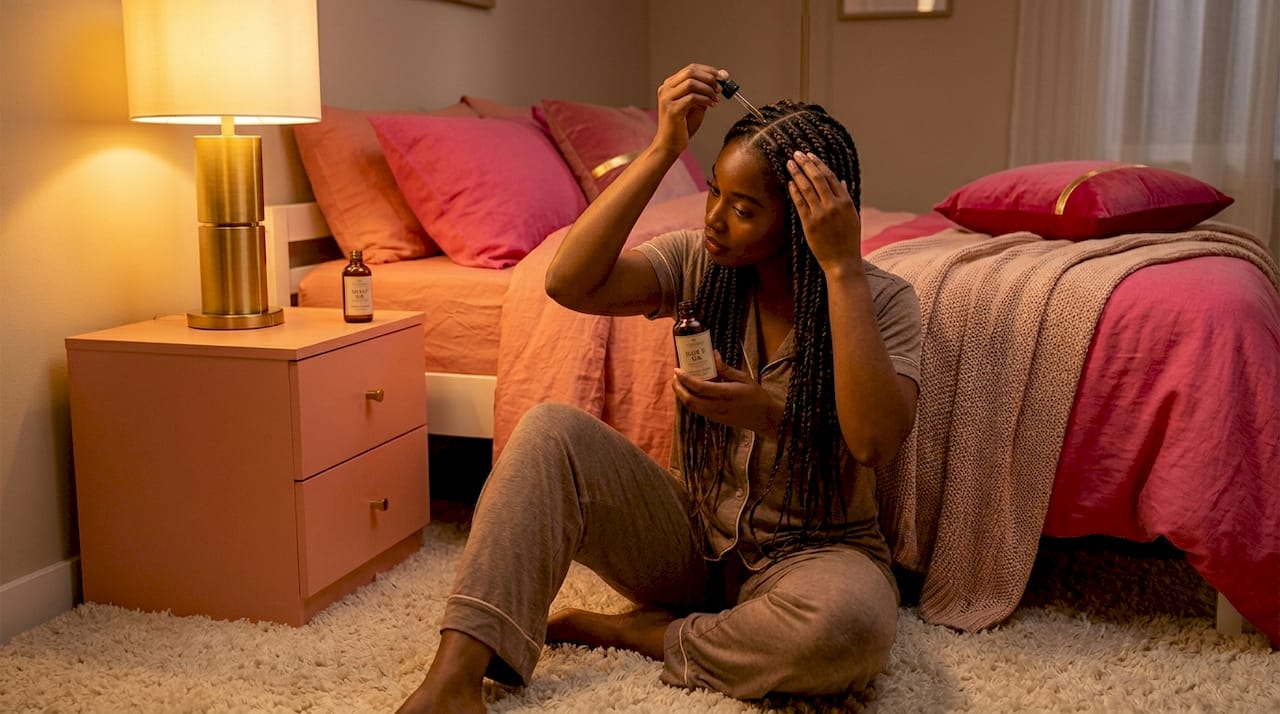
Pro Tip: A silk bonnet and a lightweight oil are your two most important tools for maintaining Fulani braids. Use them consistently and your braids will look fresh and feel comfortable well into week six.
How long to keep and when to remove Fulani braids
Knowing how to care for your braids is only part of the equation. Timing your removal and planning breaks for your natural hair matters just as much for long-term hair health.
Fulani braids typically last between four and eight weeks depending on your hair type, the braiding method used, and how consistently you follow your care routine. Knotless techniques can last up to two months with proper preparation and maintenance, making them the better choice if you want to maximize wear time without sacrificing scalp health.
Braid duration guide by type:
| Braid type | Minimum wear | Maximum wear | Recommended break |
|---|---|---|---|
| Traditional Fulani | 3 weeks | 6 weeks | 2 to 3 weeks |
| Knotless Fulani | 4 weeks | 8 weeks | 2 to 3 weeks |
| Boho Fulani | 3 weeks | 5 weeks | 2 to 3 weeks |
Steps for safe removal:
- Apply a generous amount of conditioner or detangling spray to each braid before removing it.
- Cut the extension hair at a safe distance from your natural hair, never at the root.
- Unravel each braid slowly, working from the end upward.
- As you release each section, finger detangle gently before moving to the next.
- Once all braids are removed, do a deep conditioning treatment for at least 30 minutes before washing.
Taking a 2 to 3 week break between rounds of Fulani braids is a common expert recommendation to help avoid hair loss and allow deep conditioning to fully restore your strands. This break is not optional if you want your natural hair to stay healthy over time.
Community members who wear Fulani braids regularly share honest insights about whether braids are truly protective and what factors determine whether a style helps or harms your hair. The consensus is clear: timing and tension are everything.
Common mistakes to avoid: leaving braids in past the eight-week mark, skipping the deep conditioning step between installs, and rushing back to a new install without giving your scalp time to breathe. If you're looking for inspiration on what to try next, our guide to alternative braiding styles offers fresh ideas for your next appointment.
Finding a Fulani braids stylist in Southfield
Armed with knowledge of care and timing, your next step is finding the right hands for your Fulani braids locally. Not every braider who lists braids on their menu has specific experience with Fulani styles, so knowing how to screen stylists before booking saves you time and protects your hair.
Booking platforms now make it easier than ever to search by style. Southfield-area platforms list stylists who explicitly offer Fulani or "Fulani knotless" as a priced service, so you can filter specifically for that skill set rather than booking a general braider and hoping for the best.
You can also browse local Southfield salons in your area to find shops that specialize in African braiding styles and have a track record with protective styles like Fulani braids.
What to look for when screening a stylist:
- A portfolio with recent Fulani braid photos, not just stock images
- Clear pricing listed for Fulani braids specifically, including knotless options
- Client reviews that mention comfort, tension, and longevity of the style
- A stylist who asks about your hair type and history before booking
- A clear policy on what happens if you experience discomfort during the install
Before you book, review stylist portfolios to see real work and get a feel for the quality and style range available. Reading client reviews from women with similar hair types gives you an honest picture of what to expect. When you're ready, booking your appointment is straightforward and takes just a few minutes.
Pro Tip: Confirm that your stylist offers a knotless Fulani option and ask to see photos of recent work specifically in that style. A stylist who is proud of their Fulani installs will have no hesitation showing you their portfolio.
A fresh perspective: Beyond the style – the truth about Fulani braids and healthy hair
Finding the right stylist is important, but let's take a step back for a candid look at the bigger picture.
The term "protective style" gets used a lot in the braiding world, and Fulani braids are frequently marketed under that label. But here's the truth: a style is only protective if the execution actually protects your hair. Tension that's too tight, braids left in too long, or a scalp that can't be properly cleaned and moisturized can cause more damage than wearing your natural hair loose.
We've seen this pattern repeatedly. A client comes in excited about a fresh install, leaves looking gorgeous, and then pushes the style past eight weeks because she loves how it looks. By the time she removes the braids, she's dealing with thinning edges, breakage at the nape, or scalp buildup that took weeks to clear up. The style itself wasn't the problem. The approach was.
Community discussions confirm that braids are only protective when tension is not excessive and when scalp access for washing and moisturizing remains manageable. This is not a fringe opinion. It's the consistent experience of women who wear these styles regularly.
What we believe at Afro Magic Braiding is that the client and the stylist share responsibility for healthy outcomes. A good stylist will never braid so tightly that you're wincing in the chair. But a client who is educated about tension, wear time, and aftercare is also better equipped to speak up and advocate for her own hair health. Explore our protective style options to see how we approach every install with both beauty and hair health in mind.
The cultural beauty of Fulani braids deserves to be celebrated. Honoring that heritage means wearing the style in a way that keeps your natural hair thriving underneath.
Ready for your next Fulani braids look? Book with a trusted Southfield stylist
You now have everything you need to walk into your next appointment with confidence. From understanding the history and features of Fulani braids to prepping your hair, following a solid care routine, and knowing when to remove and rest your style, you're set up for results that are both beautiful and healthy.

At Afro Magic Braiding, we believe every client deserves a stylist who listens, uses gentle tension-free techniques, and delivers a style that's uniquely yours. Browse our stylist portfolio to see real Fulani braid installs, read client reviews from women in Southfield and surrounding areas, and when you're ready to get started, book your appointment online in just a few clicks. Your next favorite style is waiting.
Frequently asked questions
What do Fulani braids typically cost in Southfield salons?
Prices range widely but expect $120 to $250 depending on length, intricacy, and whether accessories are included. Knotless Fulani braids may cost slightly more due to the additional technique and time involved.
How do I know if my braids are too tight?
If you experience lasting pain, severe itching, or notice bumps at your roots, your braids are likely too tight and should be adjusted or removed. Intense itching or burning is a sign that removal and professional help may be needed.
What products are best for moisturizing Fulani braids?
Lightweight oils and braid sprays designed for protective styles keep your scalp and braids hydrated without causing buildup. Avoid heavy creams or butters that can clog your scalp and attract lint.
How long should I wait between Fulani braid installs?
Give your hair at least 2 to 3 weeks to rest and deep condition before getting new braids. This break helps prevent hair loss and allows your scalp to fully recover between installs.
Are Fulani braids always considered a protective style?
Fulani braids are only protective when tension is gentle and the braids allow for scalp care and regular washing. Braids with excessive tension or limited scalp access can actually cause more harm than good over time.