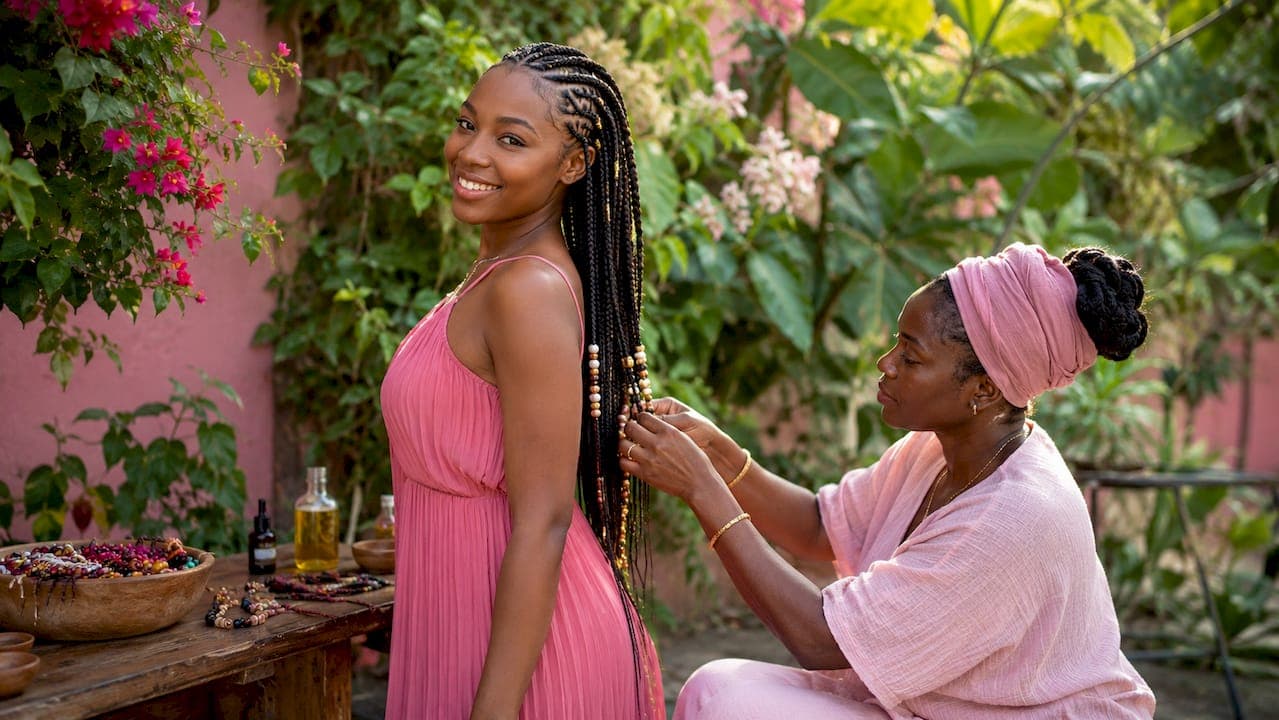
Tribal braiding is the practice of creating traditional African-inspired braided hairstyles distinguished by intricate patterns, cultural symbolism, and decorative accessories. The term "tribal braiding" functions as an umbrella phrase covering dozens of distinct styles rooted in African heritage, including Fulani braids, cornrows, and box braids. Each style carries its own visual identity and cultural meaning. Fulani braids, for example, feature a signature center cornrow, side braids, and ornamental beads or cowrie shells that signal ethnic origin and social standing. Understanding what tribal braiding actually means requires looking beyond the surface pattern to the people, traditions, and stories each braid carries.
What is tribal braiding and what are its most recognized styles?
Tribal braiding is best understood as a broad cultural category, not a single braid pattern. The styles grouped under this term share African roots but differ significantly in structure, ornamentation, and regional origin. Recognizing those differences is the first step toward appreciating the craft.
The most recognized tribal braiding styles include:
- Fulani braids: A signature style from the Fulani people of West Africa, featuring a center cornrow running from the forehead to the nape, side cornrows or flat twists, and decorative beads, rings, or cowrie shells. The beads and cowrie shells are not purely decorative. They carry ritual and identity significance.
- Cornrows: Flat braids stitched close to the scalp in straight or curved lines. Cornrows form the structural foundation of many tribal styles and can be worn alone or as part of a more complex pattern.
- Box braids: Individual braids sectioned into square or diamond parts. Box braids offer more versatility in length and thickness and are often combined with beads or thread for a tribal aesthetic.
- Boho cornrow braids: A modern evolution that merges structured cornrows at the root with loose, curly, or wavy ends. This style blends traditional scalp braiding with a free, voluminous finish.
Pro Tip: When booking a tribal braid appointment, name the specific style you want. Saying "tribal braids" alone can mean different things to different stylists. Specify Fulani, cornrow, or boho to get exactly what you have in mind.
Regional and seasonal variations also shape how these styles appear. A Fulani braid in Senegal may look different from one created in Lagos or Detroit, reflecting local preferences and available materials. That flexibility is part of what makes tribal braiding so enduring.
What is the cultural and historical significance behind tribal braids?
Tribal braids are an active cultural language, not mere fashion. Across African societies, braided hairstyles have communicated identity, status, and belonging for centuries. The specific pattern, adornment, and placement of braids could tell an observer where someone was from, whether they were married, and what role they held in their community.
Three key cultural functions tribal braids have historically served:
- Identity and ethnic origin: Braid patterns functioned as visual markers of tribal affiliation. The Fulani people, for instance, used their distinctive braid style to signal membership within their community across West and Central Africa.
- Social and marital status: The complexity of a woman's braids often reflected her age, marital status, or social rank. Young girls, unmarried women, and elders each wore distinct styles in many traditions.
- Ceremony and ritual: Beads and cowrie shells worn in braids were tied to rites of passage, weddings, and spiritual ceremonies. Adornment was intentional, not incidental.
"Adornment in tribal braids traditionally conveys social signals and participation in rites. The braids are an active cultural language, not mere fashion."
Historical accounts also describe braids serving practical purposes. During the transatlantic slave trade, some accounts suggest that enslaved African women used cornrow patterns to map escape routes or encode messages. While historians debate the full scope of this practice, it reflects how deeply braids were woven into survival and resistance. The cultural context of tribal braids varies by tribe and region, which is why treating them as a single monolithic style misses the richness of what they represent.
How do different tribal braiding techniques compare?
Each tribal braiding style has a distinct technical structure and aesthetic outcome. Understanding those differences helps you choose the right style for your hair type, lifestyle, and the look you want to achieve.
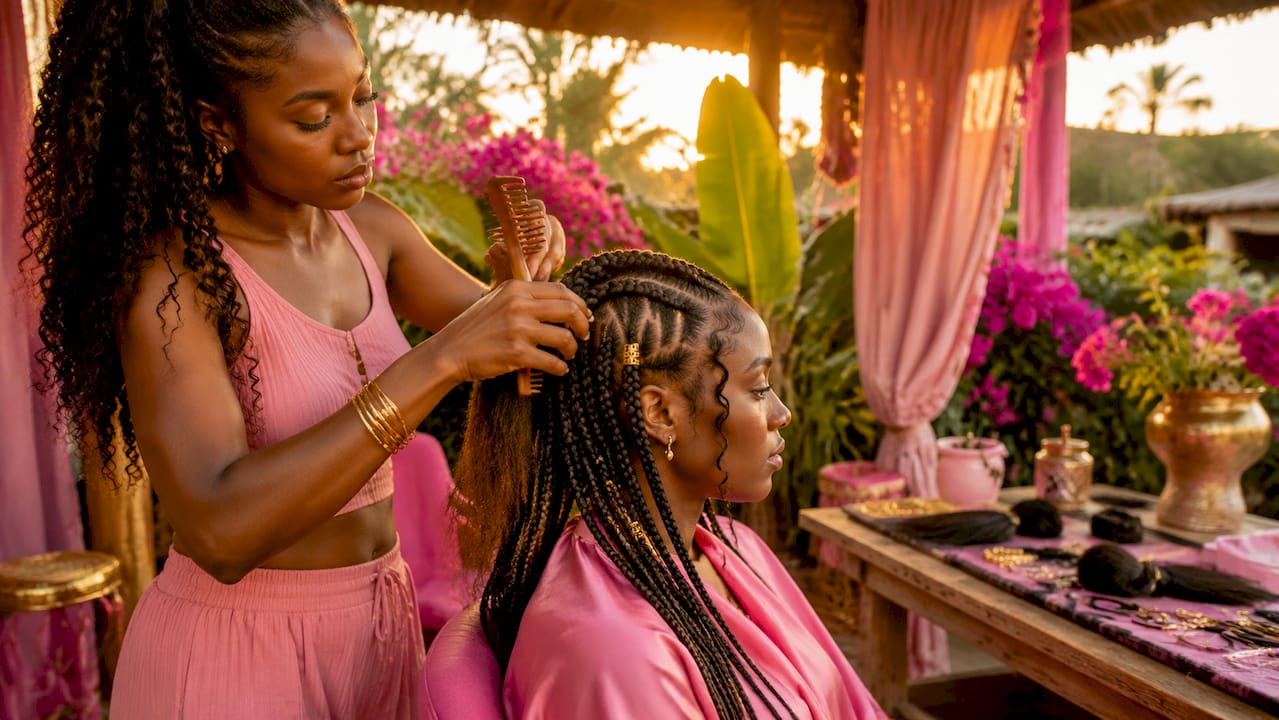
| Style | Braid Structure | Ornamentation | Best For |
|---|---|---|---|
| Fulani Braids | Center cornrow plus side braids | Beads, cowrie shells, rings | Cultural expression, medium to long hair |
| Cornrows | Flat, scalp-level rows | Minimal or none | Low maintenance, athletic lifestyles |
| Box Braids | Individual sections, square parts | Beads, thread, cuffs | Length and thickness versatility |
| Boho Cornrow Braids | Cornrow base with loose curly ends | Minimal, natural texture | Modern, voluminous aesthetic |
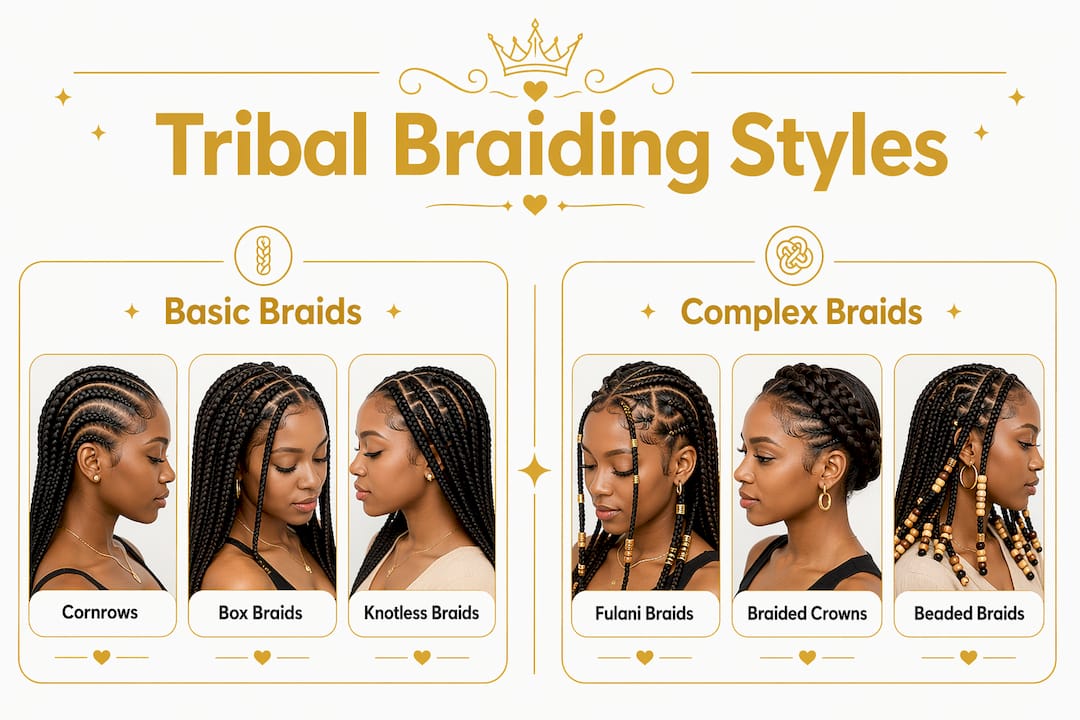
Cornrows are the most structurally simple. They lie flat against the scalp and require precise parting to maintain clean lines. Parting precision directly affects how long the pattern holds and how comfortable the style feels. Small inconsistencies in the part can alter the entire visual rhythm of the braid.
Fulani braids are more complex. The center cornrow acts as an anchor, and the side braids frame the face. The addition of beads and shells adds weight and movement. Box braids offer the most versatility in terms of length, thickness, and styling options. Boho cornrow braids sit at the intersection of structure and freedom, with tight cornrows at the root giving way to loose, textured ends.
Pro Tip: If you have fine or low-density hair, ask your stylist about a knotless feed-in technique for box braids. It distributes weight more evenly and reduces tension at the root from the start.
Modern tribal braiding styles continue to evolve. Stylists today blend traditional patterns with contemporary color, threading, and mixed textures to create looks that honor heritage while reflecting personal style.
What are the best practices for maintaining tribal braids?
Proper maintenance determines how long your tribal braids look fresh and how healthy your scalp stays underneath. Skipping care routines shortens the life of your style and can lead to buildup, breakage, and scalp irritation.
Key maintenance practices to follow:
- Wear duration: Professional braid installations typically last 4–8 weeks, but experts recommend removing braids at the 4–6 week mark for optimal scalp health. Hair density, braid length, and how well you maintain the style all affect this timeline.
- Washing frequency: Wash your braids every two weeks to prevent scalp buildup without aging the style prematurely. Use a diluted sulfate-free shampoo applied directly to the scalp, then rinse thoroughly.
- Scalp moisture: Apply a lightweight oil such as jojoba or tea tree oil to the scalp between washes. Dry scalp leads to itching and flaking, which can cause you to scratch and fray the braids.
- Tension awareness: Tight braids at the hairline are a warning sign. Persistent tension causes traction alopecia over time. If your scalp hurts after installation, speak up immediately.
- Sleep protection: Wrap your braids in a satin or silk scarf or sleep on a satin pillowcase every night. Cotton absorbs moisture and creates friction that frays the braid edges.
Knotless braids improve scalp airflow and make washing easier compared to traditional knotted braids. They also reduce bulk at the root, which means less tension from day one. For clients with sensitive scalps or fine edges, knotless installation is the smarter choice. You can find detailed guidance on protecting your hair underneath braids in these scalp care strategies from Afromagicbraiding.
Pro Tip: Avoid re-braiding the same sections repeatedly without giving your hair a break. Rotating your part placement between installs protects your edges and reduces cumulative tension damage.
Key takeaways
Tribal braiding is a broad cultural category rooted in African tradition, and caring for it properly requires understanding both its meaning and its technical demands.
| Point | Details |
|---|---|
| Tribal braiding is an umbrella term | It covers distinct styles like Fulani braids, cornrows, box braids, and boho braids, each with unique structure and meaning. |
| Cultural significance runs deep | Braid patterns historically communicated ethnic identity, social status, and participation in ceremonies across African communities. |
| Technique shapes outcome | Parting precision, tension management, and ornament choice define the look and longevity of each tribal braid style. |
| Maintenance protects your hair | Wearing braids for 4–6 weeks, washing every two weeks, and moisturizing the scalp preserves both style and hair health. |
| Knotless methods reduce damage | Knotless installation improves airflow, reduces root tension, and makes scalp cleansing easier than traditional knotted braids. |
Every braid tells a story worth knowing
I have worked with hundreds of clients who come in asking for "tribal braids" and mean something completely different each time. One person wants sleek Fulani braids with gold cuffs. Another wants bold cornrows with a geometric pattern. A third wants boho braids with loose, curly ends. The term is wide open, and that is both its beauty and its challenge.
What I have learned is that the clients who get the most out of their style are the ones who take time to understand what they are asking for. When you know that Fulani braids carry specific cultural weight, you wear them differently. You appreciate the beads. You understand why the center part matters. That awareness changes the experience from a haircut to something more meaningful.
The care side is where I see the most avoidable mistakes. People wear their braids for ten weeks, skip washing, and wonder why their edges are thinning. The 4–6 week guideline exists for a reason. Your scalp needs to breathe. Your hair needs a break. Protective styling only protects when you respect the limits.
My honest advice: learn the name of the style you want, ask your stylist about their tension technique, and commit to the maintenance routine. Tribal braids are one of the most beautiful and historically rich hairstyles in the world. They deserve that level of care.
— Afro
Experience tribal braiding done right at Afromagicbraiding
At Afromagicbraiding, every braid installation is built on cultural respect, technical precision, and genuine care for your hair health. Whether you are drawn to classic Fulani braids with cowrie shell adornments or a modern boho cornrow look, our stylists bring expertise and artistry to every appointment.

We specialize in knotless and tension-free techniques that protect your edges while delivering exceptional results. Our team takes the time to understand your hair density, lifestyle, and style goals before a single braid is placed. Browse our braid portfolio to see the full range of tribal braiding styles we offer, from traditional cornrows to intricate Fulani designs. Ready to book? Schedule your appointment and let us create something uniquely yours.
FAQ
What is tribal braiding, exactly?
Tribal braiding is an umbrella term for African-inspired braided hairstyles that include distinct patterns, cultural symbolism, and decorative elements like beads and cowrie shells. Fulani braids, cornrows, and box braids all fall under this category.
How long do tribal braids typically last?
Professional tribal braid installations last 4–8 weeks, but experts recommend removing them at the 4–6 week mark to protect scalp health and prevent tension damage.
What makes fulani braids different from regular cornrows?
Fulani braids feature a center cornrow running from the forehead to the nape, side braids framing the face, and cultural adornments like beads and cowrie shells. Standard cornrows are flat rows without the signature center part or ornamentation.
Are knotless braids better for scalp health?
Yes. Knotless braids reduce root tension, improve scalp airflow, and make washing easier than traditional knotted braids, making them a healthier choice for most hair types.
How often should i wash tribal braids?
Wash your braids every two weeks using a diluted sulfate-free shampoo applied directly to the scalp. This frequency prevents buildup and maintains scalp hygiene without prematurely aging the style.