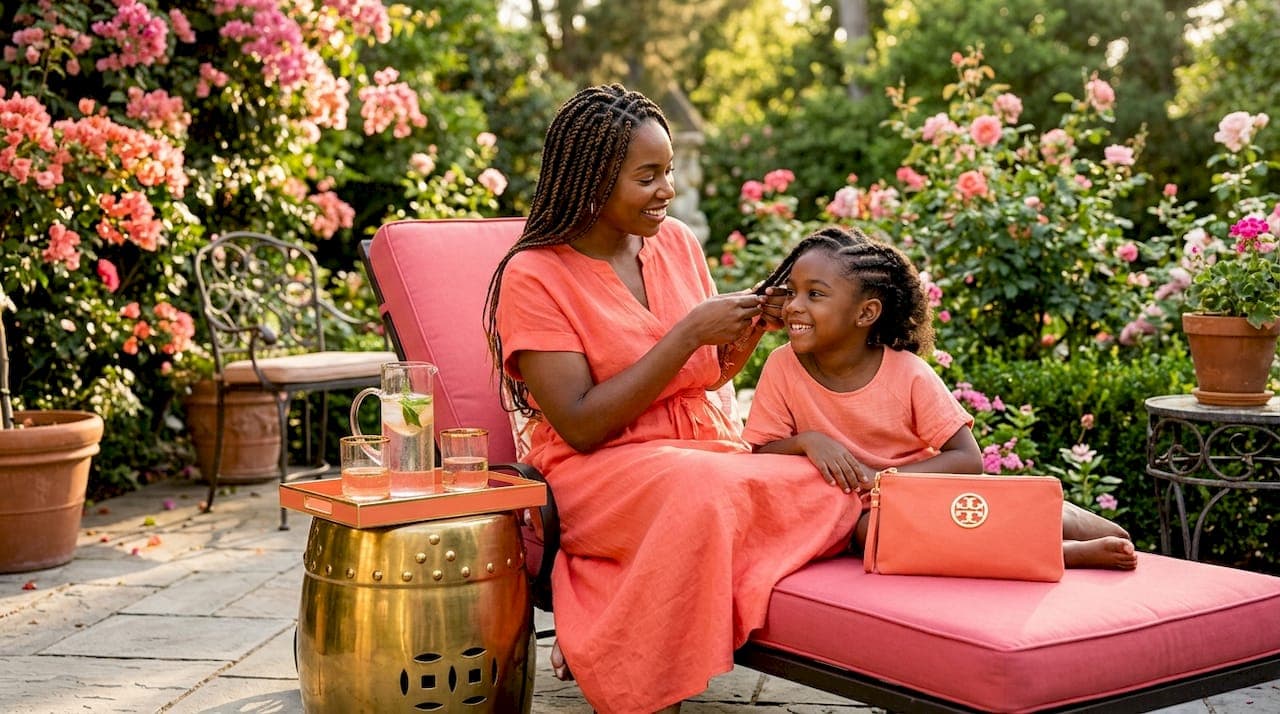
Hair braiding is far more than a style choice. What is hair braiding culture, really? It is a living archive of identity, survival, spirituality, and resistance that stretches back more than 5,000 years. Across African, Native American, and global communities, braids have communicated social rank, marked rites of passage, and even mapped escape routes. Today, braiding sits at the center of beauty, politics, and cultural pride. If you think a braid is just a braid, this article will change that.
Table of Contents
- Key takeaways
- What is hair braiding culture: origins and ancient history
- Cultural significance of braids across communities
- Braids as tools of survival and resistance
- Braiding techniques, styles, and modern influence
- Contemporary social issues and why braiding culture still matters
- My take on what braiding really means
- Experience braiding culture at Afromagicbraiding
- FAQ
Key takeaways
| Point | Details |
|---|---|
| Ancient and global roots | Hair braiding traditions date to 3500 BCE, originating in African cultures and spreading worldwide. |
| More than aesthetics | Braids historically encoded social status, ancestry, spirituality, and resistance across many communities. |
| Survival and resistance tool | Cornrow patterns were used as escape maps and seed-hiding systems during the transatlantic slave trade. |
| Modern legal recognition | The CROWN Act legally protects braided hairstyles from discrimination in workplaces and schools. |
| Living cultural practice | Braiding continues to be a communal ritual, connecting generations through storytelling and shared heritage. |
What is hair braiding culture: origins and ancient history
The cultural significance of hair braiding begins in Africa. Hair braiding traditions date back to at least 3500 BCE, with the Himba people of Namibia among the earliest recorded practitioners. Their intricate styles communicated age, social standing, and spiritual beliefs without a single spoken word. That is the foundation of braiding culture: a nonverbal language woven strand by strand.
Archaeological evidence shows braiding spread far beyond Africa. Ancient Egyptians wore cornrow-style patterns visible in tomb carvings. Northern European cultures braided hair as markers of clan identity. Across West Africa, Yoruba communities developed the Shuku crown, a style whose geometric authority carried as much cultural weight as any written text. The geometry of braiding patterns like the Yoruba Shuku holds as much cultural authority as any garment or formal document.
Here is a quick look at key moments in braiding history:
| Era | Region | Cultural role |
|---|---|---|
| 3500 BCE | Namibia, West Africa | Social identity, spirituality |
| 3000 BCE | Ancient Egypt | Status and ritual |
| 1500s CE | Transatlantic slave trade | Survival, communication, resistance |
| 1960s to 1970s | United States | Political identity, Black pride movement |
| 2019 to present | United States | Legal protection via CROWN Act |
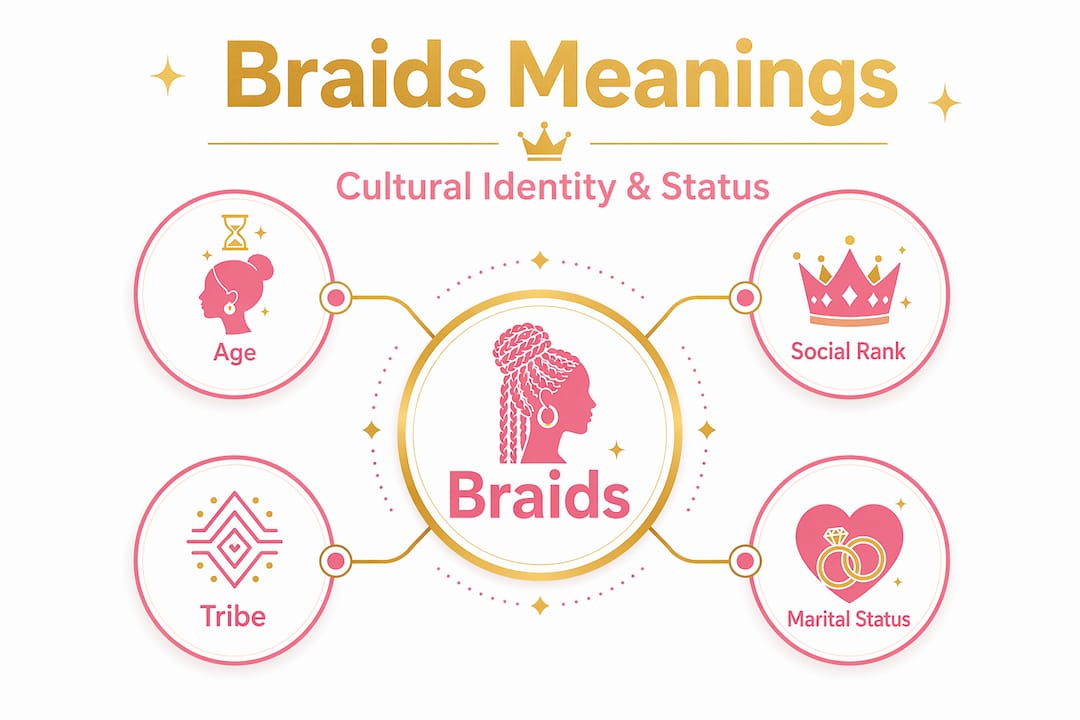
Braids also indicated age, marital status, social rank, and tribal affiliation across many cultures worldwide, with meaning encoded in pattern, texture, and placement. That complexity is what makes braiding culture so distinct from any other beauty tradition.
Cultural significance of braids across communities
The importance of hair braiding goes far deeper than heritage. It is one of the most consistent forms of cultural communication across human history, and its meaning shifts meaningfully from community to community.
In African cultures, the cultural significance of hair braiding connects directly to ancestry. A specific style could signal whether someone was unmarried, grieving, or royalty. Braids honored lineage, marked transitions, and preserved collective memory in communities where oral and visual traditions carried as much authority as written records.
In Lakota tradition, the spiritual dimension is explicit. Braids symbolize connection to ancestors, spirit, and balance, with the three strands representing body, spirit, and a higher power. Elders teach braiding to children as a deliberate act of cultural continuity. It is not a styling lesson. It is a lesson in who you are.
Native Hawaiian braiding traditions similarly honor family lineage and ancestral connection, tying physical appearance to collective identity in ways that outsiders can easily overlook.
"The braiding chair operates as a cultural sanctuary where oral history and tradition are intentionally preserved via the slow, communal process of braiding." — African Braiding Traditions
The communal ritual of braiding creates space for storytelling, bonding, and the kind of cultural transmission that no classroom can replicate. Grandmothers teach granddaughters. Stories move through generations in the same session where a style takes shape.
Pro Tip: When sitting to have your hair braided, ask your stylist about the cultural origins of the style you have chosen. That conversation transforms a beauty appointment into a meaningful cultural exchange.
Braids as tools of survival and resistance
This is the part of hair braiding culture that most people never learn, and it is the most powerful.
During the transatlantic slave trade, cornrow patterns encoded escape routes and safe landmarks, functioning as covert maps when written communication was forbidden. Seeds were woven into braids so that people who escaped would have food for survival. A hairstyle became a lifeline.
The steps below trace how braiding served as a resistance tool across history:
- Encoding routes: Enslaved women used specific cornrow patterns to mark paths, rivers, and safe houses for those attempting to escape.
- Carrying resources: Seeds from native plants were hidden within braids, providing food security after escape.
- Preserving identity: Braiding maintained cultural connection and dignity in conditions designed to erase both.
- Signaling solidarity: Certain styles communicated shared identity and resistance within communities under surveillance.
Protective hairstyles are political statements of identity and resistance against systemic bias and Eurocentric beauty standards. That was true in the 1600s, and it remains true today. Many institutions still label braids as unprofessional, a judgment rooted in European hair standards that marginalizes Black identity and erases centuries of cultural practice.
The CROWN Act addresses this directly. Black women are 2.5 times more likely to be judged as unprofessional due to their natural hair. The CROWN Act legally protects braided and natural hairstyles from discrimination in workplaces and schools, a recognition that what sits on your head should never cost you your livelihood.
The stakes are not abstract. They are job interviews, school dress codes, and professional evaluations where braided hair has historically worked against the people who wear it.
Braiding techniques, styles, and modern influence
Understanding the cultural significance of braids also means appreciating the craft behind them. Hair braiding is a technical art form that takes years to master, and the range of styles reflects both deep tradition and modern creativity.
Common braiding styles include:
- Cornrows: Flat braids worked close to the scalp in rows or geometric patterns, one of the oldest documented styles
- Box braids: Individual braids sectioned into square parts, carrying the cultural significance of box braids tied to West African identity and modern protective styling
- Fulani braids: Inspired by the Fulani people of West Africa, featuring central rows, decorative beads, and side-swept sections
- Knotless braids: A tension-free feed-in technique that starts with your natural hair and gradually adds extensions, reducing scalp stress
- Shuku crowns: Yoruba-inspired styles where braids are directed toward the crown, an architectural expression of cultural pride
The time and skill each style demands is not incidental. Braided hairstyles require specialized techniques and care to preserve both the cultural integrity and health of natural hair textures. A great stylist is not just doing hair. They are practicing a discipline refined over generations.
Celebrity hairstylists now recognize braids as holding memory of protection, identity, resistance, and belonging, and that recognition has shifted mainstream culture. Social media has been a powerful accelerant. Styles once confined to specific communities now appear on global runways and magazine covers. That visibility is a double-edged reality: it brings braiding culture to wider audiences while also raising urgent questions about who gets credit and who profits.
Pro Tip: When learning how to braid hair styles at home, start with a three-strand flat braid before moving to cornrows. Practice with damp, detangled hair to maintain tension without causing breakage.
Contemporary social issues and why braiding culture still matters
The importance of hair braiding today extends into the legal and political sphere. Discrimination against braided hair remains a real, documented experience. Students have been sent home from school. Job applicants have been told to "fix" their hair. Professionals have faced formal warnings for wearing styles their ancestors wore for centuries.
Protective hairstyles connect individuals to ancestry and history while also serving practical purposes, shielding natural hair from environmental damage and reducing daily manipulation. The decision to wear braids is never purely aesthetic. It is an assertion of identity.
"Separating African hairstyling from its political and intellectual history is a fundamental misreading of the tradition." — African Braiding Traditions
The CROWN Act, now passed in multiple U.S. states, is a step forward. But advocacy continues, because legal protection and cultural respect are not the same thing. Wearing braids in a world that historically penalized them is still a statement. For many, it is a deliberate act of cultural affirmation. For others, it is the most natural thing in the world, which is exactly the point.
Social media and celebrity endorsement have elevated braids in high fashion and everyday culture, increasing visibility. But visibility without understanding can lead to appropriation. Knowing what is hair braiding culture means knowing enough to engage with it respectfully, whether you are wearing braids yourself or simply appreciating them.
My take on what braiding really means
In my experience, the most common mistake people make with braids is treating them as a trend. Every season, a style with centuries of history gets a new name and a hashtag, while the communities who created it are rarely centered in that conversation.
What I have learned from years at Afromagicbraiding is that every client who sits in our chair carries a relationship with their hair that is personal and cultural at once. A woman asking for Fulani-inspired braids is not just choosing a look. She may be honoring heritage she has never been able to name out loud before. That matters.
My take on cultural appropriation versus cultural appreciation is straightforward: the difference is knowledge and credit. Appreciating braiding culture means learning its history, supporting Black-owned braiding businesses, and recognizing the skill involved. It means understanding that a style is not a costume.
I also believe that braiding traditions deserve protection not just through laws like the CROWN Act, but through the kind of respect that starts in individual conversations. Ask where a style comes from. Learn the name before you wear it. Every braid tells a story. The least we can do is know whose story it is.
— Afro
Experience braiding culture at Afromagicbraiding

At Afromagicbraiding, we do not just braid hair. We honor the traditions behind every style we offer. Our stylists are trained in both the technical precision and cultural history that make each look meaningful, from tension-free knotless braids to Fulani-inspired protective styles that celebrate your heritage. Whether you are discovering braiding culture for the first time or returning to a tradition that has always been yours, we are here for that experience. Browse our braiding portfolio to see the styles we specialize in, and take the next step when you are ready. Your story deserves to be beautifully told.
Ready to book? Schedule your appointment and let our team create something uniquely yours.
FAQ
What is hair braiding culture?
Hair braiding culture is the centuries-old tradition of using braided hairstyles to communicate identity, social status, spiritual beliefs, and resistance across African, Native American, and global communities. It is a living practice that connects generations through craft, storytelling, and shared heritage.
How old is the history of hair braiding?
Hair braiding dates back to at least 3500 BCE, originating with cultures like the Himba people of Namibia. Archaeological evidence of braiding also appears in ancient Egypt and Northern Europe.
What is the cultural significance of box braids?
Box braids carry cultural significance tied to West African identity and the African diaspora, functioning historically as markers of community and social standing. Today, they are recognized as both a protective style and a symbol of Black cultural pride.
What legal protections exist for braided hairstyles?
The CROWN Act protects natural and braided hairstyles from discrimination in workplaces and schools across several U.S. states. It was created in response to data showing Black women are 2.5 times more likely to be judged as unprofessional because of their natural hair.
How do braids connect to cultural identity today?
Braids continue to serve as a form of cultural affirmation, resistance against Eurocentric beauty standards, and community bonding. Wearing a culturally rooted style is an active choice that connects individuals to ancestry, history, and collective identity.