
Braid unraveling is defined as the premature loosening or coming apart of a braided hairstyle before its intended lifespan ends. It compromises both the look of your style and the health of your natural hair underneath. Box braids, crochet braids, and twist braids are all vulnerable, though the causes and fixes differ by style. This guide covers what triggers unraveling, how to address it safely, and the best prevention strategies that professional stylists at Afromagicbraiding rely on every day.
What is braid unraveling and why does it happen?
Braid unraveling, also called braid slippage or style failure in professional settings, occurs when the structural integrity of a braid breaks down before the 6–8 week mark most protective styles are designed to last. The result is loose ends, frizzy sections, and exposed natural hair that is vulnerable to breakage and environmental damage.
The most common trigger is a flaw at installation. Loose knots at the base of crochet braids are a frequent installation flaw that can shorten style longevity dramatically, causing unraveling within just 2–3 weeks instead of the expected 6–8. That gap matters because it means your hair is exposed to friction, dryness, and manipulation far sooner than it should be.
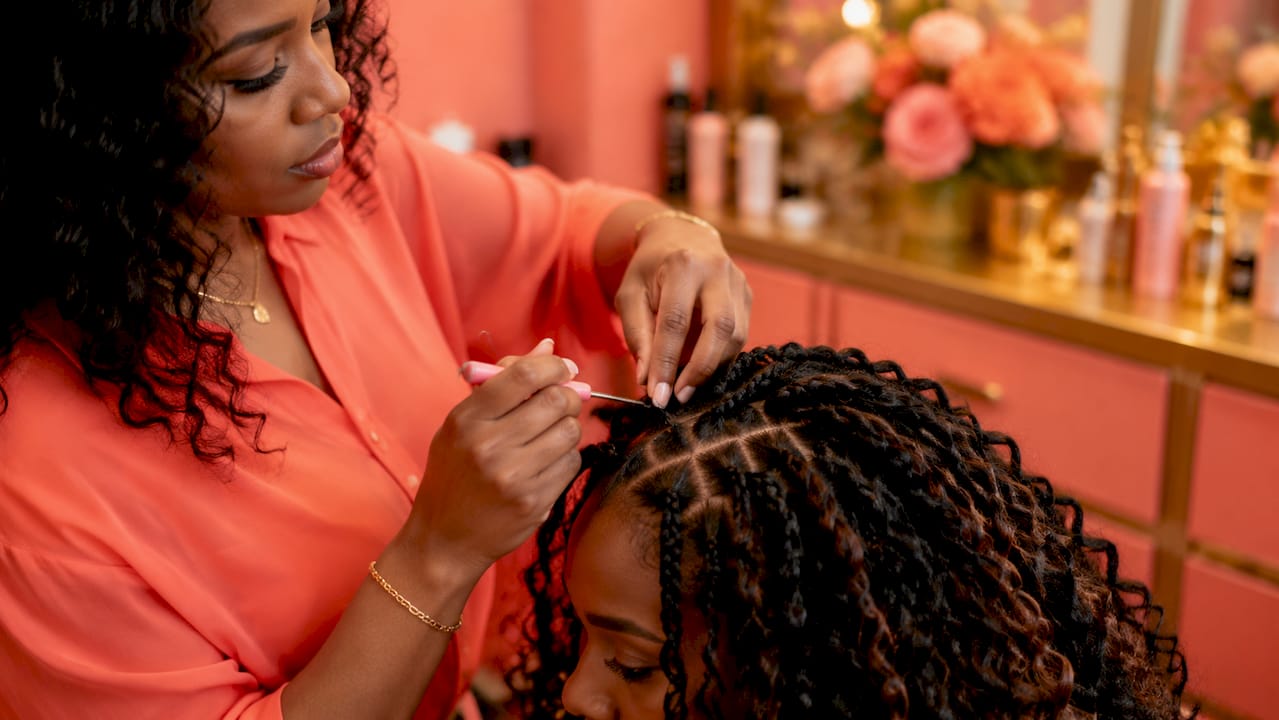
A second factor worth knowing: what looks like unraveling is sometimes frizz caused by dehydration and friction rather than actual structural failure. The distinction matters because the fix is different. True unraveling requires reinstallation or repair, while frizz from dehydration can often be reversed by misting with a leave-in conditioner and wrapping hair overnight using the Durag Method.
What causes braids to loosen: the main factors
Understanding the root causes of braid loosening helps you prevent the problem before it starts. Here are the primary culprits:
- Loose or slack knots at installation. Insufficient tension at the braid base is the single most common cause. A knot that feels secure in the chair can slip within days if it was not set correctly.
- Incompatible hair textures and extension weight. Heavy synthetic extensions on fine or low-density natural hair create mechanical stress. The weight pulls the braid downward, stretching and eventually breaking the knot.
- Improper sealing at the ends. Braids without a secure end seal, whether a rubber band, a knot, or heat sealing for synthetic fiber, begin to unravel from the bottom up.
- Environmental factors. Humidity swells the hair shaft, friction from cotton pillowcases roughens the cuticle, and product buildup softens the knot structure over time.
- Hair damage, shedding, and dryness. Dry or damaged hair has a weaker cuticle layer, which reduces grip between strands. Visible thinning, itching, and loosening braids are all signals that the style needs attention or removal.
Pro Tip: Check your braid ends at the two-week mark. If more than a few have already loosened, your installation tension was likely too light and you should address those sections before the whole style fails.
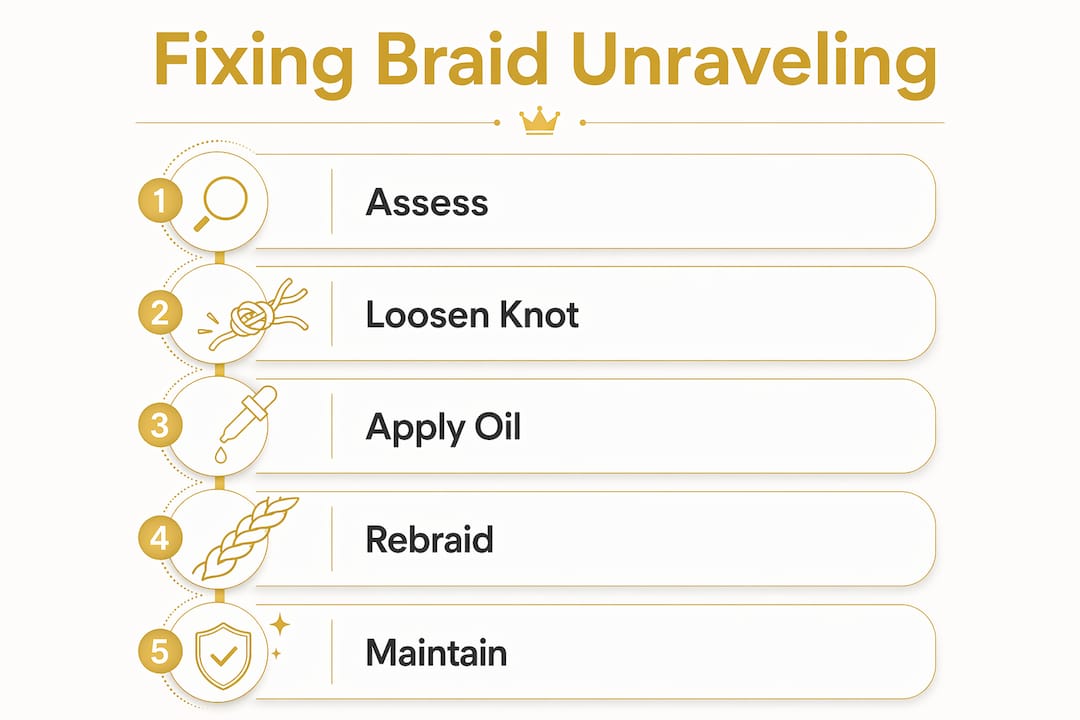
How to fix braid unraveling safely during takedown
Fixing unraveling braids requires patience. Rushing the process causes more damage than the unraveling itself. Follow these steps to protect your hair during takedown and repair.
- Start from the ends, not the roots. The single most effective way to prevent mid-shaft breakage is cutting extension ends below where your natural hair ends, then unraveling upward from the bottom. Never pull from the root down.
- Apply a detangler or oil before you begin. Coat each braid section with a lightweight oil like jojoba or a detangling spray before you start working. This reduces friction and softens any knots that have tightened over weeks.
- Work in sections. Divide your hair into four or six sections and clip each one separately. This prevents already-loose braids from tangling with sections you have not yet addressed.
- Add conditioner at resistance points. Experts recommend treating takedown as a slow conversation with your hair. When you feel resistance, stop, add conditioner or detangler directly to that knot, and wait 30 seconds before continuing.
- Never rip or force braids apart. Forcing a knot causes mid-shaft breakage, which is harder to recover from than split ends. If a section will not budge, add more product and try again.
- Give your scalp recovery time. A 4-week rest period after removal allows your hair and scalp to heal fully before re-braiding. Skipping this step is one of the most common mistakes that leads to cumulative breakage over time.
Pro Tip: Use a rat-tail comb to gently lift the knot at the braid base before unraveling. Inserting the tail under the knot and rotating slightly loosens it without pulling on your natural strands.
For more detailed guidance on safe braid removal, the box braids care guide from Afromagicbraiding covers the full process with product recommendations.
Best prevention strategies to keep braids from unraveling
Prevention is always more effective than repair. The following practices protect braid integrity from day one.
- Secure knots at installation. Ask your stylist to double-check tension at the braid base before moving to the next section. A properly set knot should feel firm without pulling the scalp.
- Seal braid ends correctly. For synthetic extensions, heat sealing the ends locks fibers in place effectively. Use a lighter or hot water dip with caution to avoid fiber damage. For human hair extensions, a small rubber band or knot works well.
- Choose the right braid size for your hair texture. Smaller braids last longer because tension is spread across more sections, reducing unraveling risk. Jumbo braids carry more weight and tend to loosen faster.
- Protect your braids at night. Silk or satin pillowcases reduce the friction that loosens braids and roughens the cuticle. A satin bonnet adds another layer of protection.
- Maintain moisture without overloading. Use a light braid spray or diluted leave-in conditioner every few days. Heavy creams and butters cause product buildup that softens knots over time.
- Refresh loose sections early. Do not wait until half your style has unraveled. Touch up loose braids at the two-week mark to extend the overall style life.
Braid size vs. longevity: what the data shows
| Braid size | Average lifespan | Unraveling risk | Maintenance level |
|---|---|---|---|
| Micro braids | 8–10 weeks | Low | High |
| Medium box braids | 6–8 weeks | Low to medium | Medium |
| Jumbo braids | 3–5 weeks | High | Low |
| Crochet braids | 4–6 weeks | Medium | Low to medium |
Which braid types are most prone to unraveling?
Not all braids fail the same way. The construction method, fiber type, and size all determine how quickly a style loosens.
Box braids are among the most durable protective styles when installed correctly. Medium-sized box braids with a secure knot at the base typically last 6–8 weeks. The risk increases with jumbo sizing because the added weight stresses the foundation knot.
Crochet braids attach to a cornrow base using a latch hook, which means the security of the style depends entirely on the tightness of the cornrow underneath. Loose cornrows equal loose crochet braids. The latch-hook knot itself can also slip if the extension fiber is too smooth or too heavy for the cornrow to grip.
Twist braids (two-strand twists) are the most vulnerable style in this group. They have no interlocking structure, so the ends unravel first whenever the hair dries out or experiences friction. Sealing the ends with a small amount of styling gel or butter is non-negotiable for this style.
Mini braids sit between micro and medium sizing and offer a good balance of longevity and install time. Choosing extensions appropriate for your natural hair texture prevents the mechanical unraveling caused by weight mismatch, and this applies most directly to mini braids where fine natural hair is often paired with heavier kanekalon fiber.
The Afromagicbraiding braid maintenance guide breaks down care routines for each of these styles in detail.
Key Takeaways
Braid unraveling is a preventable problem rooted in installation quality, proper sealing, and consistent maintenance.
| Point | Details |
|---|---|
| Define the problem first | Braid unraveling is premature style failure, not normal wear, and it signals an installation or care issue. |
| Knot tension is everything | Loose knots at the braid base cause failure within 2–3 weeks instead of the expected 6–8 weeks. |
| Takedown direction matters | Always cut extension ends and unravel upward from the bottom to prevent mid-shaft breakage. |
| Size affects durability | Smaller braids last longer because tension is distributed across more sections, reducing unraveling risk. |
| Rest before re-braiding | A 4-week recovery period after removal protects hair and scalp before the next installation. |
What I have learned from years of watching braids unravel
Every braid tells a story, and after years of working with clients at Afromagicbraiding, I can read that story the moment I see a style that has started to slip. The most common mistake I see is not the unraveling itself. It is the panic response. Clients pull, tug, and try to re-tighten braids that are already loosening, and that is where the real damage happens.
The second most common mistake is skipping the recovery period. I understand the impulse. You take your braids out on a Saturday and you want fresh ones by Sunday. But braids kept past 8 weeks already stress the hair significantly, and going straight from removal to reinstallation compounds that stress. Your scalp needs to breathe. Your strands need moisture and a gentle detangle before they go back under tension.
What actually works is patience and product. A good detangling session with a quality conditioner, a few days of low-manipulation styling, and then a fresh install with the right tension. That cycle, done consistently, is what keeps hair healthy and braids lasting their full lifespan. Technique matters, but so does the conversation you have with your hair between styles.
— Afro
Get secure, long-lasting braids at Afromagicbraiding
If you are tired of braids that loosen within weeks, the problem is almost always installation technique or aftercare, and both are fixable with the right professional support.

Afromagicbraiding specializes in knotless braids and protective styles designed for durability and scalp health. Every installation focuses on proper knot tension, appropriate extension weight for your natural hair texture, and sealed ends that hold. Browse the full range of braiding services or book a consultation to get personalized advice on the best style and maintenance routine for your hair. Your braids should last. We make sure they do.
FAQ
What is braid unraveling exactly?
Braid unraveling is the premature loosening or coming apart of a braided hairstyle before its intended lifespan ends. It is caused by installation flaws, improper sealing, or maintenance gaps rather than normal wear.
How long should braids last before unraveling?
Most protective braid styles are designed to last 6–8 weeks with proper care. Braids that begin loosening within 2–3 weeks typically have a knot tension problem at the base of the installation.
What is the safest way to fix unraveling braids at home?
Cut the extension ends below your natural hair, apply a detangler or lightweight oil, and unravel each braid upward from the bottom. Never pull from the root, and add conditioner at any point where you feel resistance.
Does sleeping on cotton cause braids to unravel faster?
Yes. Cotton pillowcases create friction that roughens the hair cuticle and loosens braid knots over time. Switching to a silk or satin pillowcase, or wearing a satin bonnet, significantly reduces this risk.
How soon can I re-braid after removing a protective style?
A 4-week rest period after removal is recommended to allow your hair and scalp to recover fully. Re-braiding too soon increases the risk of breakage during the next installation.