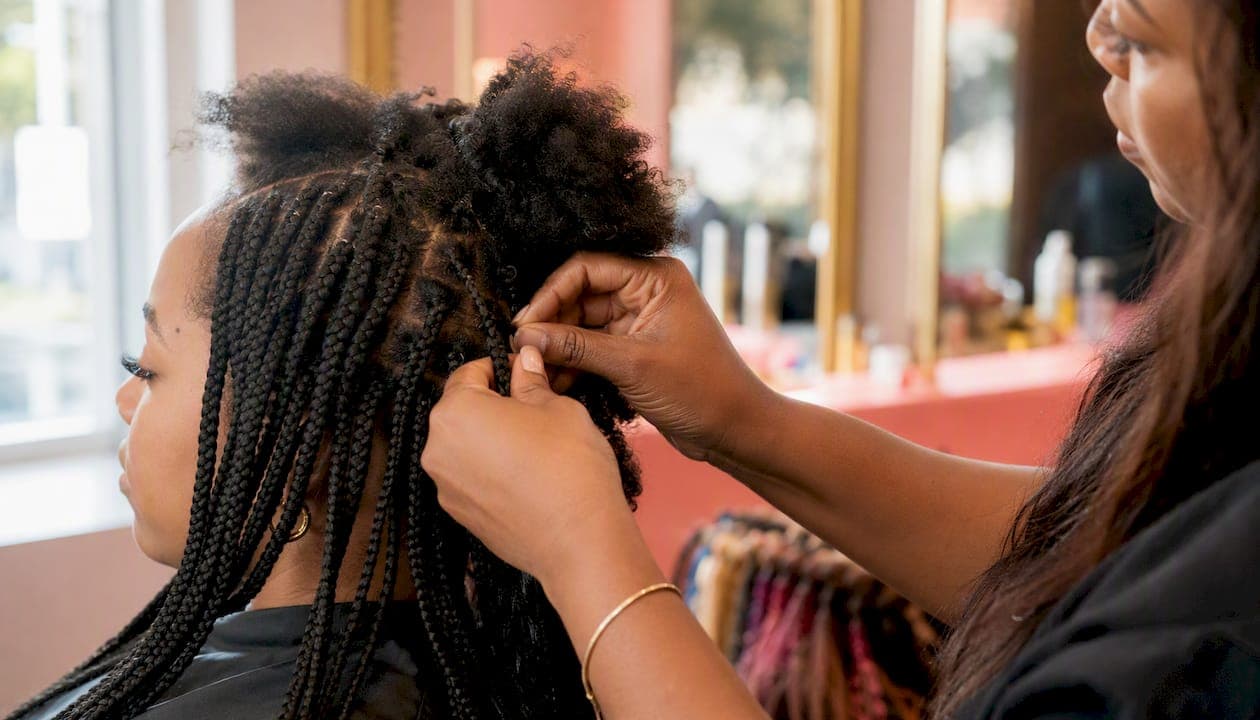
That single move prevents the two biggest scheduling mistakes: rushed installs and hair that swells and frizzes at the root before the style even sets. At Afromagicbraiding, appointment time is estimated the same way Booksy lists it, by braid size, and stylists echo the same caution AARP gives about tension near a fragile hairline.
Before you book, run through this:
- Wash and detangle 1 to 3 days ahead, then dry completely.
- Have two or three reference photos ready, including one showing your desired length.
- Know your estimated appointment length so you can block off the right window.
- Flag any scalp sensitivity or thinning areas before the stylist starts parting.
Pro Tip: Text your stylist the reference photo before you arrive. It saves ten minutes of back and forth and gives them time to plan sectioning around your hairline.
Key Takeaways
A well-planned braiding schedule pairs the right lead time with prepped, fully dry hair, a matched appointment length, and a six-week wear window followed by rest.
| Point | Details |
|---|---|
| Book by braid size | Reserve jumbo/large braids same-week; give medium, small, or knotless styles 1 to 2 weeks. |
| Time your appointment right | Block 3 to 5 hours for jumbo, 4 to 12 or more hours for small or micro braids. |
| Prep hair 3 to 5 days out | Deep-condition, treat with protein if needed, and arrive 100% dry to prevent root swelling. |
| Rest between installs | Remove braids around 6 weeks and rest hair 1 to 2 weeks before reinstalling. |
| Book through Afromagicbraiding | Confirm your braid size, style, and realistic time estimate directly with the salon before your date. |
Table of Contents
- How to Plan Your Braiding Schedule Around Booking Windows
- How Long Does a Braiding Appointment Actually Take?
- Preparing Your Hair and Scalp Before the Appointment
- What to Bring to Your Braiding Appointment
- Choosing a Style That Fits Your Life and Your Hair's Limits
- When to Remove Braids and How Long to Rest Between Installs
- Build Your Own Three-Appointment Braiding Planner
- Book Your Next Appointment With Confidence
- Frequently Asked Questions
- Sources
How to Plan Your Braiding Schedule Around Booking Windows
Same-week booking works fine for jumbo or large braids, but medium and small styles fill faster and deserve a one to two week lead time. Knotless styles, which take longer than classic box braids of the same size, benefit from the extra buffer too.
Weekday mornings and early afternoons tend to be the quietest slots on a stylist's calendar, and that quiet matters more than it sounds. Industry pros generally point to midweek mornings as the window where a braider can slow down and focus purely on precision, which shows in the parting and tension. Weekend slots, by contrast, often fill up a week or more in advance simply because everyone wants Saturday.
- Booking same week: fine for jumbo/large braids or simple styles.
- Booking 1 to 2 weeks out: safer for medium, small, or knotless installs.
- Weekday morning slots: best for detail work and shorter wait times.
Pro Tip: If your calendar is flexible, ask your salon which weekday afternoon has the fewest bookings. Stylists usually know exactly which slot is their slow spot, and that is where you'll get the most unhurried install.
How Long Does a Braiding Appointment Actually Take?
Time estimates vary a lot by braid size, and planning around the wrong number is how appointments run long and tension gets rushed at the end. Large or jumbo box braids usually take a few hours, medium box braids take several hours, and small box braids can take significantly longer. (https://booksy.com/en-us/s/box-braids).
| Braid Size | Typical Appointment Length |
|---|---|
| Jumbo | 3 to 5 hours |
| Medium | 4 to 12 or more hours |
| Small/micro | 8 to 12+ hours (sometimes split across sessions) |
| Knotless | Slightly longer than classic box braids of the same size |
A full head can take anywhere from 4 to 12 or more hours depending on hair length, thickness, and the braider's speed, and micro installs sometimes need two sessions entirely. If you're booking a small or medium style, plan the whole day open and ask your stylist for a realistic time estimate up front rather than guessing.
Preparing Your Hair and Scalp Before the Appointment
The prep work you do in the days before your appointment determines how comfortable the install feels and how long your braids last. Here's the order that actually works:
- Wash 1 to 3 days before, adjusting for your hair's porosity. Low-porosity hair benefits from washing closer to the appointment; high-porosity hair can go a bit earlier.
- Deep-condition and consider a protein treatment 3 to 5 days out. Clarifying shampoo, a deep condition, and protein treatment in that window help hair hold up better under tension once braided.
- Detangle thoroughly, section by section, so your stylist isn't fighting knots during parting. A detailed detangling routine before your visit shaves real time off the install.
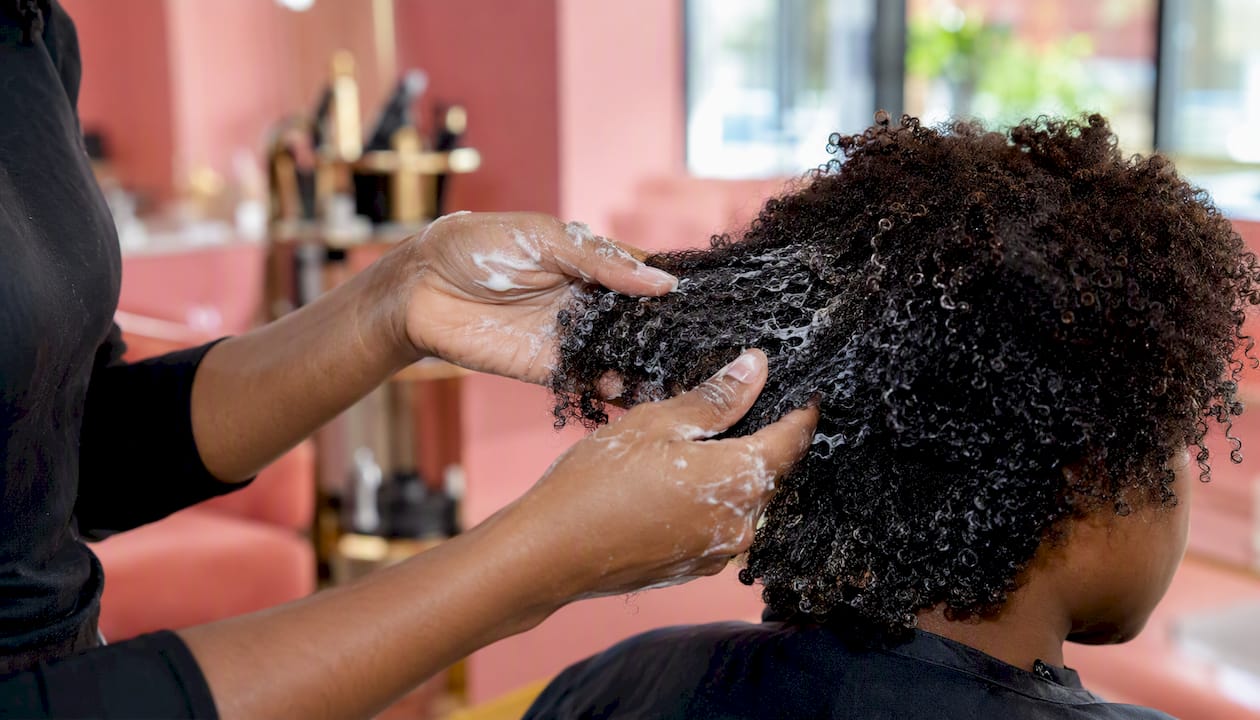
- Arrive 100% dry. Damp roots swell once braided, and that swelling is what causes frizz at the scalp within days. If your hair is high-porosity, apply a leave-in about 30 minutes before your appointment to help seal the cuticle.
- Skip heavy grease or cream on appointment day. It makes consistent tension harder for your stylist to achieve.
Expect your stylist to check scalp condition, hair length and density, and where tension needs to stay light before the first part goes in.
Pro Tip: Book your deep-condition appointment (if your salon offers one) three to five days before your braid date. It gives your hair time to recover its elasticity instead of going straight from treatment to tension.
What to Bring to Your Braiding Appointment
Show up with the right items and your stylist can move faster and make safer calls about your hair.
Bring physically:
- Two to three reference photos, including your desired length and part pattern.
- Your own braiding hair, if you're supplying it, in the correct color and texture.
- Hair ties, a snack, water, and your payment method.
Confirm administratively:
- Your booking notes and confirmed estimated appointment length.
- Any allergy or scalp-sensitivity information your stylist should know before starting.
Your stylist, in turn, should check your scalp condition, note any thinning or fragile areas near the hairline, and gauge how much tension your hair can comfortably tolerate before the first braid goes in.
Choosing a Style That Fits Your Life and Your Hair's Limits
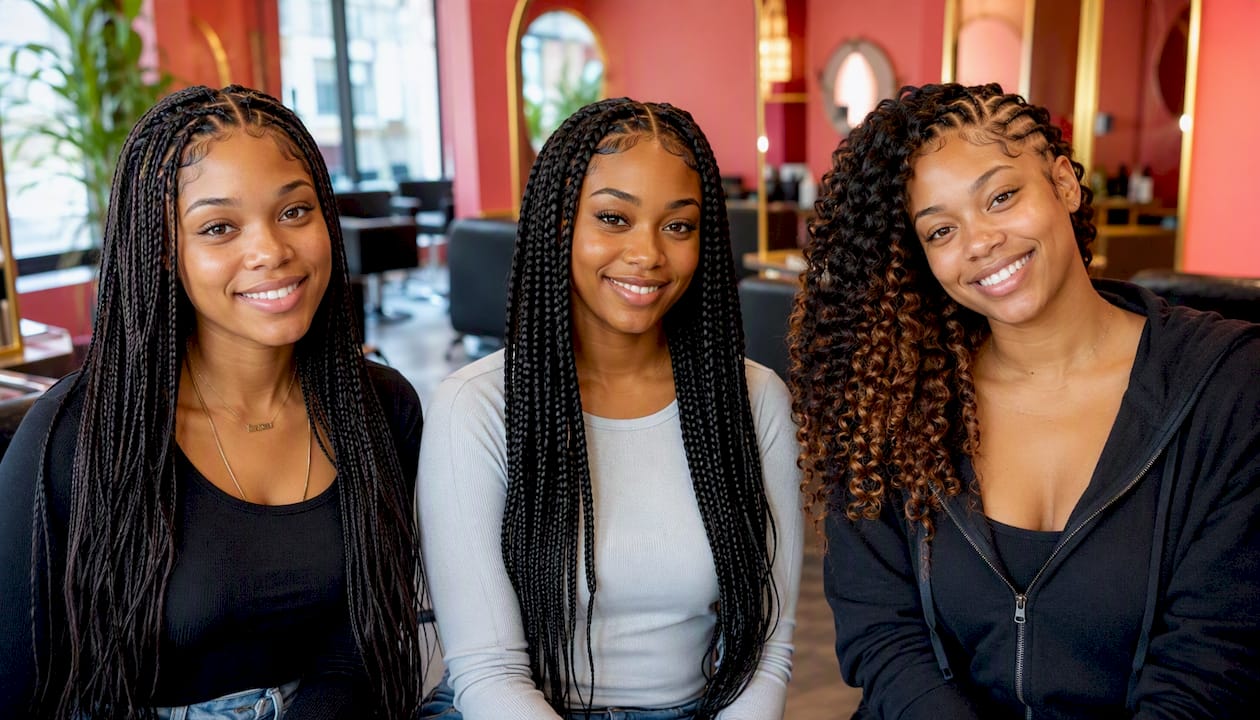
Not every style suits every scalp, and picking based on looks alone is how people end up back in the chair sooner than planned for repair work. Weight and tension matter as much as the finished look.
| Style | Tension Level | Best Suited For |
|---|---|---|
| Knotless braids | Low at the root | Most hair types, including fine or previously stressed edges |
| Classic box braids | Moderate to high at the base knot | Thicker, healthier hair without hairline concerns |
| Crochet braids | Low, minimal manipulation | Thinning hair or those wanting a break from direct tension |
| Long, heavy extensions | High, sustained pull over time | Only thicker hair with no history of breakage |
For fine or thinning hair, feed-in and crochet methods avoid the tight knot at the scalp that classic box braids require, which reduces stress on already-fragile follicles. Shorter lengths also mean less pull over the six to eight weeks you'll wear the style.
Pro Tip: If your hairline has thinned or your edges feel fragile, say so before your stylist starts parting, not after the first braid goes in. Adjusting tension mid-install is much harder than planning for it up front.
When to Remove Braids and How Long to Rest Between Installs
Most stylists recommend removing braids around the six-week mark. Wearing them past that window into seven or eight weeks raises the risk of matting at the roots and traction-related damage, especially near the hairline where tension concentrates.
- Watch for matting, excessive itching, or visible thinning as your cue to schedule a takedown.
- Rest your scalp for at least one to two weeks between installs before reinstalling anything with tension.
- Book a maintenance touch-up around week three or four to refresh edges and re-moisturize your scalp without a full redo.
Removing braids around six weeks prevents the matting and traction damage that longer wear times can cause, and that rest window gives your follicles time to recover before the next round of tension begins.
Build Your Own Three-Appointment Braiding Planner
A simple planner keeps your prep, wear time, and rest windows from overlapping, especially if you're booking for an event or scheduling multiple family members at once.
- Appointment date: the day you're in the chair.
- Wash/prep window: 3 to 5 days before, for deep-condition and detangling.
- Expected removal date: 6 weeks after install, adjust earlier if you notice matting.
- Rest window: 1 to 2 weeks of low-manipulation care before your next booking.
- Notes column: track hair length, product used, or style adjustments for next time.
Say you're booking medium box braids for a July wedding. Install on June 20, deep-condition June 15 to 17, plan removal around August 1, then rest through mid-August before your next appointment. Use the same template row for each family member's date so nobody's install, removal, and rest windows collide on your calendar.
If a slot gets rescheduled, shift every downstream date by the same number of days rather than compressing your rest window to make up time.
Salon perspective: what stylists wish clients knew
The most common scheduling mistake is booking a small braid style with only three hours set aside. A little prep, dry hair, a photo ready, tension concerns mentioned upfront, saves real time in the chair and protects your hairline. You always have the right to ask your stylist to ease up on tension if something feels too tight.
Book Your Next Appointment With Confidence
Afromagicbraiding is the alternative to guessing at appointment length or booking blind: our stylists confirm a realistic time estimate for your exact braid size before you sit down, and help you choose between knotless, box braids, or a lower-tension option if your hairline needs it.

Browse the portfolio to find a style that matches your event and hair goals, then check available times through our booking page. If you're supplying your own hair, our team can also help you pick the right texture and length in person before your date locks in.
Frequently Asked Questions
How far in advance should I book a braiding appointment? Book 3 to 10 days ahead for most styles. Jumbo or large braids can often be booked same-week, while small, micro, or knotless styles need 1 to 2 weeks, especially for weekend slots.
Can I wash my hair right before my braiding appointment? Wash 1 to 3 days before, not the same day, so your hair has time to dry completely. Arriving with even slightly damp roots causes swelling that leads to early frizz once braided.
How long should I wait between braid installs? Plan for 1 to 2 weeks of rest after removal before reinstalling anything with tension. This gives your scalp and follicles time to recover from six to eight weeks of sustained pull.
What braid size takes the least time in the chair? Jumbo and large box braids are the fastest, typically 3 to 5 hours, making them a good option if your schedule is tight or you're booking a same-week appointment.
Sources
- Box Braids Near Me | Book Box Braiding
- How Long Does It Really Take to Braid Hair? Your Comprehensive Guide | The Style Serum
- Expert tips to wear braids safely this summer | AARP