
Deciding on a protective hairstyle should not feel like a leap of faith. Box braids, one of the most beloved and widely worn protective styles rooted in African hair tradition, offer real benefits but come with trade-offs that deserve honest attention. Whether you are thinking about your first set or you have worn them before and want to go in better prepared, understanding the full picture of box braid pros and cons will save you money, protect your hair, and help you walk out of the salon with zero regrets.
Table of Contents
- Key takeaways
- 1. The real pros and cons of box braids
- 2. Protection for your natural hair
- 3. Styling versatility you can actually use
- 4. Cost and installation time
- 5. Scalp tension and the traction alopecia risk
- 6. Maintenance demands are non-negotiable
- 7. Synthetic hair and material safety
- 8. Box braids vs. knotless braids: which suits you better?
- 9. Your box braid care routine
- 10. Who should get box braids and who should think twice
- My honest take after years in this industry
- Ready to book your next protective style?
- FAQ
Key takeaways
| Point | Details |
|---|---|
| Protection with limits | Box braids shield natural hair from daily damage, but only when installed and maintained properly. |
| Scalp tension is a real risk | Tightness at the root can cause traction alopecia; communicate clearly with your stylist about comfort. |
| Maintenance cannot be skipped | Weekly scalp cleansing and nightly protection are non-negotiable for healthy, long-lasting braids. |
| Knotless braids offer a gentler option | If scalp sensitivity is a concern, knotless braids reduce root tension significantly compared to traditional box braids. |
| Breaks between styles matter | Wearing protective styles back to back without rest can stress your hair and edges over time. |
1. The real pros and cons of box braids
Box braids are a protective style where the natural hair is divided into square or rectangular sections and braided down with added extensions, typically synthetic hair. They have been worn across African cultures for centuries, and today they remain one of the most requested styles at salons across the country. The appeal is real. So are the limitations.
The most honest way to look at this style is to hold both sides at the same time. Box braids can grow your hair, simplify your mornings, and turn heads. They can also cause scalp irritation, require consistent upkeep, and lead to damage if installed carelessly. Your experience depends heavily on the skill of your braider, the products you use, and how well you care for your braids throughout the wear period.
2. Protection for your natural hair
This is the headline benefit, and it is legitimate. Box braids reduce the daily manipulation that causes breakage in natural hair. Combing, heat styling, and exposure to harsh weather are all paused while your hair rests tucked inside the braid. That gives your strands a real chance to retain length.
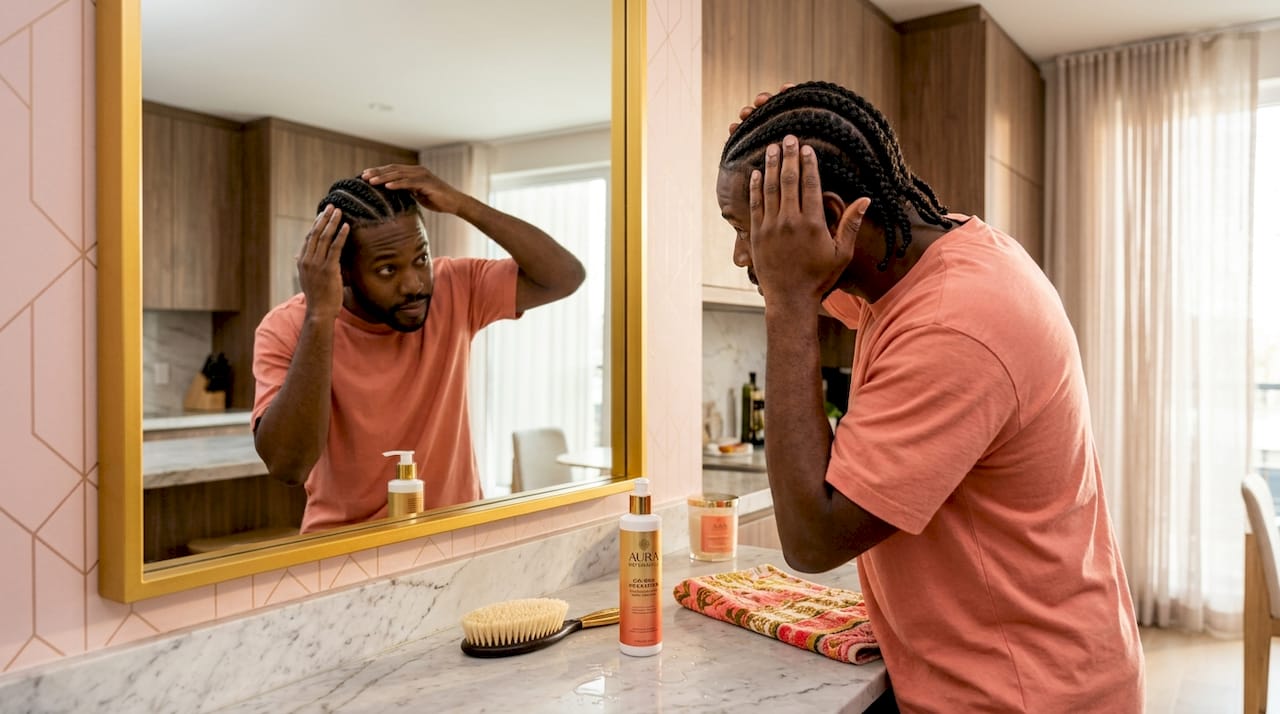
Braids also help with moisture retention by limiting the environmental exposure that dries out coily and kinky textures. When you pair protective styling with a solid hydration routine, you may notice noticeably healthier growth after removal.
Pro Tip: Apply a lightweight leave-in conditioner to your natural hair before installation. Starting with moisturized hair gives your strands the best foundation for the weeks ahead.
3. Styling versatility you can actually use
One of the underrated advantages of box braids is how many ways you can wear them. High buns, half-up looks, braided ponytails, and free-flowing styles are all on the table. You can add jewelry, cuffs, and colored extensions to personalize the look. Updos look especially clean with box braids because the individual sections have sharp definition.
The range of styling options is genuinely wide, and the effort required each morning drops dramatically compared to styling loose natural hair. That convenience factor is a big reason why busy women return to this style repeatedly.
4. Cost and installation time
Traditional box braids typically cost between $100 and $250 and take 3 to 6 hours to install, depending on the thickness and size of the braids. Smaller, more intricate braids sit at the longer and pricier end of that range, while larger braids can be completed faster.
Compared to many other protective styles, that cost and time window is reasonable. A fresh set can last four to eight weeks with good care, which breaks down the per-day cost in a way that most styling alternatives simply cannot match.
5. Scalp tension and the traction alopecia risk
Here is where the conversation gets serious. Box braids use a knot at the base of each braid to anchor the extension hair to your natural hair. That knot creates localized tension at the root, and the first 24 to 48 hours after installation often involve noticeable scalp tenderness.
The bigger concern is traction alopecia, a form of hair loss caused by repeated or prolonged tension on the follicles. Excessive tightness during installation is one of the main causes of edge loss and scalp bumps. If you feel sharp pain during installation, speak up immediately. Pain is not a sign that your braids will last longer. It is a warning sign.
- Persistent scalp bumps or pimples after installation signal too much tension
- Noticeable thinning along the hairline or temples is a red flag
- Tenderness that does not ease within 48 hours warrants loosening or removal
6. Maintenance demands are non-negotiable
One of the most common misconceptions about box braids is that they are a wash-and-forget style. They are not. Washing your scalp weekly and cleansing your full braids every two weeks is the recommended standard for preventing buildup, odor, and irritation. Skipping washes does not preserve the style. It shortens it and damages your scalp.
Proper maintenance including moisturizing, cleansing, and nightly protection is what separates a healthy protective style from one that causes setbacks. Neglect leads to itching, buildup, frizz, and in some cases patchy hair loss that no style is worth.
7. Synthetic hair and material safety
Most box braids use synthetic braiding hair, and this is worth knowing about before you sit in the chair. Testing has found that some synthetic braiding hair contains heavy metals and volatile organic compounds. This does not mean every brand will cause harm, but it does mean being thoughtful about the hair your stylist uses matters.
Ask your stylist what brand they use and whether it has been tested or certified. Pre-stretched braiding hair options on the market vary in quality, and choosing cleaner materials reduces the risk of scalp irritation from contact with the extension fiber.
8. Box braids vs. knotless braids: which suits you better?
Knotless braids have gained serious popularity as an alternative, and the comparison is worth understanding before you decide. The core difference is in the installation method. Knotless braids feed extension hair in gradually rather than starting with a knot, which produces significantly lighter tension at the scalp and a flatter, more natural look at the root.
Here is a direct comparison:
| Feature | Box braids | Knotless braids |
|---|---|---|
| Root tension | Higher, knot at base | Lower, gradual feed-in |
| Installation time | 3 to 6 hours | Often longer, 4 to 8 hours |
| Cost | $100 to $250 | Generally higher, $150 to $350+ |
| Comfort first 48 hours | Can be tender | Usually more comfortable |
| Scalp visibility | Less visible at root | Cleaner, flatter look |
| Traction alopecia risk | Higher if too tight | Reduced |
| Longevity | 4 to 8 weeks | Similar with good care |
For more detail on both options, the style guide comparing knotless, box, and boho braids is a useful reference. Box braids remain a solid choice for their bold look and durability. Knotless braids are the better pick for anyone with scalp sensitivity or a history of edge thinning.
9. Your box braid care routine
Keeping your braids healthy requires a short but consistent routine. Here is what works:
- Cleanse your scalp weekly. Use a diluted clarifying shampoo applied directly to the scalp with a squeeze bottle or applicator tip. Focus on the roots, not the braid length.
- Wash your full braids every two weeks. Rinse thoroughly and let braids air dry completely to prevent mildew, especially thicker braids that hold moisture.
- Moisturize between washes. A lightweight oil like jojoba or sweet almond applied to the scalp keeps dryness and itching at bay without causing buildup.
- Protect your braids at night. A satin or silk bonnet or pillowcase is the single most effective thing you can do to reduce frizz and extend your style's life.
- Limit wear time to 6 to 8 weeks. The safe wear window for box braids is roughly four to six weeks, with eight weeks as a maximum when maintenance is excellent.
- Give your hair a real break. Protective styles work best seasonally, not continuously. Letting your hair breathe between installs is what makes the style genuinely protective over the long term.
Pro Tip: Detangle your natural hair thoroughly before removal, and always use a conditioner or detangling spray. Rushing the takedown process causes more breakage than the style itself.
10. Who should get box braids and who should think twice
Box braids are not the right fit for everyone in every season of their hair journey, and that is okay.
You are likely a great candidate if you:
- Want a classic, bold style with strong definition
- Have a healthy scalp without active inflammation or sensitivity
- Can commit to weekly scalp care
- Are working with a budget and want maximum wear time for cost
- Love styling versatility and enjoy switching up your look
You may want to consider alternatives if you:
- Have a history of traction alopecia or thinning edges
- Have a sensitive scalp that reacts to tension
- Cannot commit to the maintenance routine
- Have very short natural hair at the perimeter, where installation on short hair carries higher damage risk
Before sitting down, ask your stylist to demonstrate the tension they plan to use on a small section. A skilled braider welcomes that conversation. One who dismisses your concern is a signal to find someone else. Explore the range of healthy protective styles before committing to any single option.
My honest take after years in this industry
I have seen the full spectrum of outcomes from box braids, the stunning styles that gave clients months of healthy growth, and the ones that came out with damage that took even longer to repair. What I know for certain is that the phrase "tight braids last longer" is one of the most damaging myths in this industry.
In my experience, the best box braid installs are ones where the client never once winced in pain and left the salon with their edges intact. Longevity comes from good technique and good aftercare, not from pulling harder. When a client comes back to me with scalp bumps or noticeable edge thinning, it is almost always traced back to either an over-eager installation or a maintenance routine that fell apart two weeks in.
The clients who get the most from their protective styles are the ones who treat their scalp care with the same seriousness as the style itself. I also want to be direct: professional skill matters enormously. Box braids in inexperienced hands carry real risk. This is one area where cutting corners on your stylist will cost you more than you saved. Listen to your scalp, speak up during the install, and choose your braider the way you would choose any professional you trust with something that matters.
— Afro
Ready to book your next protective style?
At Afromagicbraiding, every braid tells a story, and we make sure yours is one of health, beauty, and craftsmanship you can feel. Our stylists are trained in both traditional box braids and tension-free knotless techniques, so you get the look you love without sacrificing your scalp health.

Whether you are a box braid loyalist or you are curious about exploring knotless options after reading this, we would love to help you find the right fit. Browse our braid style portfolio to see the quality of our work, then book your appointment directly online. Have questions about tension, hair type, or what style suits your lifestyle? Our team is happy to talk through it all before you commit. Visit our services page for a full list of what we offer. Your hair deserves the best, and we are here to deliver exactly that.
FAQ
How long do box braids typically last?
Box braids last between four and six weeks with regular maintenance, and up to eight weeks when scalp care is excellent. Wearing them beyond eight weeks increases the risk of hair damage and scalp issues.
Are box braids good for your hair?
Box braids can protect natural hair and support length retention when installed correctly and maintained well. The key risks, including traction alopecia and scalp buildup, are largely preventable with proper care and a skilled stylist.
What are the main disadvantages of box braids?
The main drawbacks include scalp tension at the root, risk of traction alopecia from overly tight installation, the need for consistent maintenance, and potential scalp irritation from synthetic extension materials.
How often should I wash my scalp with box braids?
Experts recommend washing your scalp at least once a week and cleansing your full braids every two weeks to prevent buildup, odor, and irritation that can shorten your wear time.
What is the difference between box braids and knotless braids?
Box braids use a knot at the base to anchor extension hair, which creates more root tension. Knotless braids use a gradual feed-in technique that reduces tension significantly, making them a more comfortable option for people with scalp sensitivity or a history of thinning edges.