
Boho braids are stunning, expressive, and deeply rooted in a tradition of protective styling that honors both artistry and hair health. But here's what most people don't tell you: your boho braids checklist matters just as much as the installation itself. These styles, with their free-flowing curly tendrils and effortless texture, are often misconceived as low-maintenance when they actually require consistent routines to stay fresh, frizz-free, and kind to your scalp. This guide covers every step, from choosing your supplies to taking your braids down safely, so you can protect your hair and love every day you wear them.
Table of Contents
- Key takeaways
- 1. Your boho braids checklist starts here: choosing your style and supplies
- 2. Pre-installation prep checklist
- 3. Maintenance checklist for boho braid longevity
- 4. Safe takedown checklist and post-braid recovery
- 5. Boho braids at a glance: checklist summary table
- 6. Tailoring your braiding styles checklist to your hair type and lifestyle
- My honest take on what most boho braid advice gets wrong
- Ready to get your boho braids done right?
- FAQ
Key takeaways
| Point | Details |
|---|---|
| Prep is non-negotiable | Deep cleanse, detangle, and stretch your hair before installation to set your style up for success. |
| Nightly protection extends your style | Sleeping in a satin bonnet or on a silk pillowcase reduces friction and fights frizz significantly. |
| Takedown is its own ritual | Rushing removal causes breakage; work in sections with oil and conditioner to protect your strands. |
| Scalp care drives longevity | Regular scalp moisturizing and gentle washing keep your style looking fresh and your hair growing healthy. |
| Match your checklist to your life | Fine, thick, and textured hair each need slightly different care approaches for the best protective style results. |
1. Your boho braids checklist starts here: choosing your style and supplies
Before a single braid is placed, the choices you make about hair type, extensions, and products will determine how good your style looks on day one and how long it lasts. This is the foundation of any solid hair braiding checklist, and it deserves real attention.
Start with your hair texture. Naturally coily or kinky hair tends to grip extensions well and holds moisture longer. Fine or relaxed hair requires extra care around tension during installation to avoid thinning at the edges. If you are exploring various braid types for the first time, understanding your curl pattern helps you pick the right size and weight of extension.
When selecting extensions, you have two main options:
- Synthetic curly hair: More affordable, widely available, and comes in ready-to-use textures perfect for the boho look. The trade-off is that synthetic hair does not respond to water or heat the way natural hair does.
- Human hair extensions: More expensive but can be refreshed with water, styled with heat, and blended more naturally with your own strands, especially if your texture is looser.
- Pre-curled bohemian bundles: A popular middle-ground option. These give that effortless boho texture without heavy prep and work beautifully for knotless or feed-in styles.
Pro Tip: When purchasing extensions for boho braids, buy slightly more than you think you need. Running short mid-installation disrupts the tension balance and can cause uneven results throughout the style.
Preparation appointments also take longer than most people expect. A full knotless braid installation averages around five hours, so plan your day accordingly and avoid scheduling anything immediately after.
2. Pre-installation prep checklist
Good prep transforms your installation experience and directly impacts how long your braids last. The night before or morning of your appointment, work through these steps carefully.
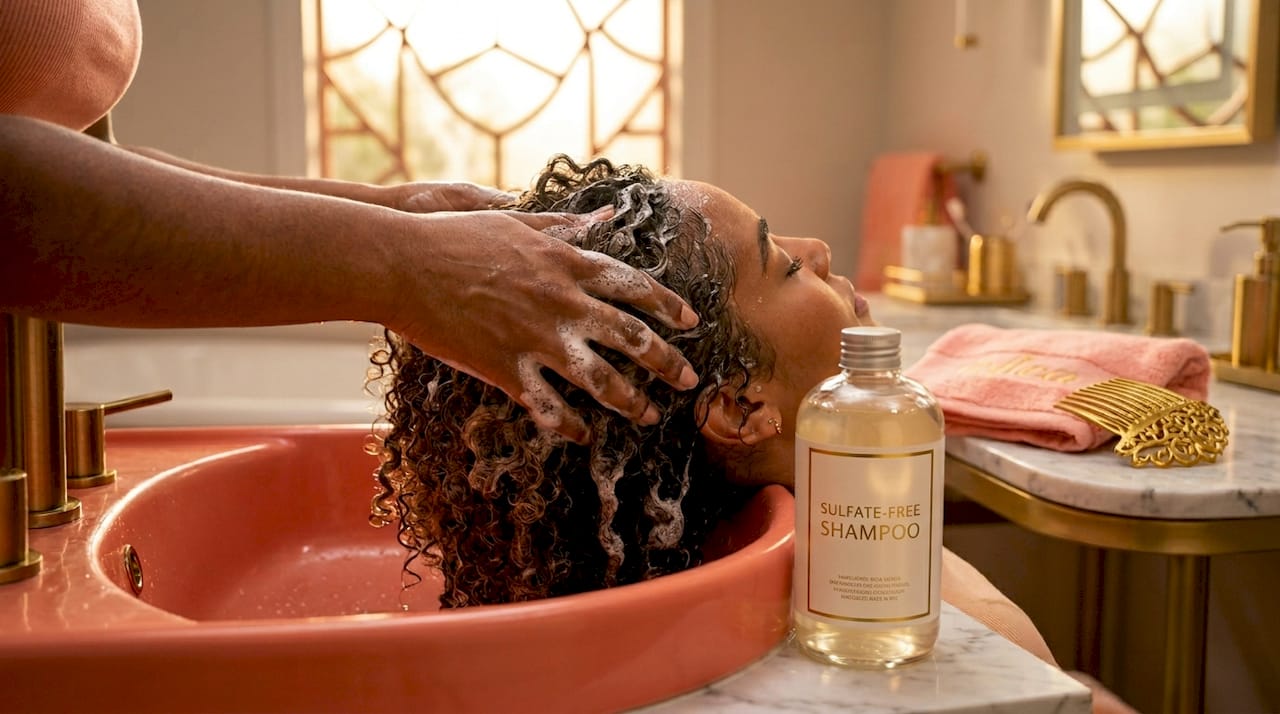
Deep cleanse your scalp and strands using a sulfate-free or clarifying shampoo. A buildup-free scalp allows extensions to sit cleanly and reduces itching during wear. Even better, an apple cider vinegar rinse before your appointment improves scalp health and helps create the right pH environment for braid longevity.
Detangle thoroughly from ends to roots while your hair is damp and coated with a slippery conditioner. Follow up with a light-hold stretching method. Blow-drying on low heat or banding your sections overnight helps the braider work faster and keeps tension consistent from root to tip.
Your prep kit should include:
- Clarifying shampoo or apple cider vinegar rinse
- Deep conditioner or protein treatment
- Detangling brush and wide-tooth comb
- Light oil (like jojoba or argan) to seal moisture before drying
- Hair ties or clips for sectioning
Skipping prep is the number one reason boho braids look dull within the first two weeks. Your natural hair needs to be in its healthiest state before it takes on the weight and structure of a protective style.
3. Maintenance checklist for boho braid longevity
Boho braids need specific, consistent care. Moisture, detangling, and scalp refreshing are the three pillars that combat the most common problems: tangling, frizz, dryness, and scalp discomfort. With proper care, knotless braids can last up to two months, which makes the effort very worthwhile.
Here is your weekly maintenance rhythm:
- Daily: Mist your scalp and braids lightly with a water-based refresher spray. Smooth any frizzy tendrils with a small amount of curl-defining foam or edge control.
- Every 3 to 4 days: Apply a lightweight scalp oil to your parts. Dry, flaky scalps are one of the biggest discomforts in long-term protective styles. Consistent scalp care, as outlined in these scalp care strategies, makes a real difference.
- Weekly: Check your edges and hairline for signs of tension or thinning. Loose your hair from tight updos or buns that pull at the roots.
- Every 2 to 4 weeks: Wash your braids gently using a diluted shampoo or cleanser in a squirt bottle. Focus on the scalp and let the water rinse down the length of the braids. Follow with a light leave-in conditioner.
Nightly protection is non-negotiable. Covering your hair with a satin or silk bonnet each night reduces friction and protects the curly tendrils from unraveling or matting. If bonnets are not your preference, a silk pillowcase provides a great alternative.
Pro Tip: Refresher sprays with aloe vera or glycerin work especially well on the loose curly ends of boho braids. A light mist every morning brings the texture back to life without adding weight or buildup.
4. Safe takedown checklist and post-braid recovery
The takedown is where most people undo the protective work they spent weeks building. Rushing this process causes breakage, matting, and setback. Think of it as a ritual, not a chore.
- Saturate the braids before you begin. Apply a generous amount of oil, like coconut or olive oil, to each braid from root to tip. This softens the hair and extension fibers, reducing friction during removal.
- Cut the extension hair at a safe length below your natural hair. Cutting too close to the root makes it harder to separate your hair from the extension without pulling.
- Unravel each braid in small sections. Do not try to speed through this. Work braid by braid, gently loosening the extension from your natural hair with your fingers.
- Expect shedding and stay calm. Hair shedding after protective styles is completely normal. Shed hairs that were trapped in the braids for weeks release during takedown. It looks like a lot, but it is mostly accumulated daily shedding.
- Apply a pre-poo treatment immediately. Coat your hair generously with a nourishing oil or deep conditioner before washing. This pre-wash step softens buildup and reduces breakage during shampooing.
- Cleanse thoroughly but gently. Focus on the scalp, working in sections, and avoid aggressive scrubbing or twisting.
- Deep condition for at least 20 to 30 minutes. Your hair has been structured and controlled for weeks. It needs a long drink of hydration and elasticity-restoring treatment. This step is what proper takedown routines are built around to prevent breakage and preserve length.
- Give your hair a rest. Wear a loose twist-out or low-manipulation style for at least one to two weeks before installing your next protective style. Your edges especially need recovery time.
5. Boho braids at a glance: checklist summary table
Use this reference table to keep your prep, maintenance, and takedown steps organized by timing and priority.
| Checklist phase | Key products | Timing | Priority level |
|---|---|---|---|
| Pre-installation prep | Clarifying shampoo, ACV rinse, deep conditioner, oil | Day before or morning of appointment | Non-negotiable |
| Installation | Curly extension hair, edge control, scalp oil | Appointment day (~5 hours) | Non-negotiable |
| Daily maintenance | Refresher spray, curl foam, silk bonnet | Every day | High |
| Weekly scalp care | Lightweight scalp oil, diluted shampoo | Every 3 to 7 days | High |
| Monthly wash | Sulfate-free cleanser, leave-in conditioner | Every 2 to 4 weeks | Recommended |
| Takedown | Detangling oil, pre-poo conditioner, deep treatment | End of wear period | Non-negotiable |
| Post-braid recovery | Protein treatment, low-manipulation styles | 1 to 2 weeks post-removal | High |
Distinct products serve distinct purposes. Scalp oils target follicle health. Refresher sprays revive curl texture. Detangling treatments reduce friction during removal. Specialized boho braid products such as sulfate-free cleansers, scalp oils, detanglers, and refresher sprays typically range from around $5 to $9, making a full maintenance kit accessible.
6. Tailoring your braiding styles checklist to your hair type and lifestyle
No two heads of hair are the same, and your braids checklist should reflect that. A boho braids for beginners guide will often give you universal advice, but real success comes from customizing that advice to your specific needs.
For fine or low-density hair:
- Choose smaller, lighter extensions to avoid unnecessary tension on the scalp.
- Keep braids at medium length rather than super long styles that pull at the roots.
- Focus heavily on edge care and use a lightweight scalp oil every three days to avoid thinning.
For thick or high-density hair:
- Allow extra installation time. Dense hair takes longer to braid and requires more extension hair.
- Prioritize thorough detangling before your appointment since tangles in thick hair can cause uneven tension throughout the style.
For active lifestyles:
- Wash your scalp more frequently, every 7 to 10 days, if you work out regularly. Sweat buildup can cause itching, odor, and scalp inflammation.
- Use a dry shampoo spray between washes to absorb excess oil without disturbing your braids.
For low-maintenance preferences:
- Invest more time upfront in prep so the style requires less intervention daily.
- Opt for medium-sized box braids or knotless styles over very small braids, which tangle more easily and need more frequent refreshing.
Common pitfalls include wearing braids too long past the recommended period, neglecting the scalp between washes, and styling braids tightly into updos daily. Each of these accelerates frizz, causes tension damage, and shortens your style's lifespan. The role of aftercare in braids is not a bonus step. It is what separates a style that lasts four weeks from one that looks great at eight.
My honest take on what most boho braid advice gets wrong
I have seen countless clients walk in after a difficult braid experience, frustrated and convinced their hair "just doesn't hold braids well." In almost every case, the problem was not their hair. It was the routine, or the lack of one.
The biggest misconception I see with boho braids is treating them like a set-it-and-forget-it style. The loose, carefree look is part of the appeal, but the work behind maintaining that look is real. Protective style longevity depends directly on consistent prep, scalp care, and nightly protection, not just on the quality of the installation.
What I have learned from years in this space is that the people who get the most out of their protective styles are the ones who treat takedown with as much care as installation. Rushing takedown undoes weeks of protective work and often erases the length retention benefits entirely.
Small nightly habits, a bonnet, a quick mist, a scalp check, are the difference between hair that thrives in braids and hair that suffers through them. The checklist in this article is not a rigid rulebook. Think of it as a starting point you can personalize as you learn what your hair loves. Be patient. Trust the process. Every braid tells a story, and yours deserves a good one.
— Afro
Ready to get your boho braids done right?
At Afromagicbraiding, every braid is placed with intention, expertise, and genuine care for your hair's health. Whether you are a first-timer working through a boho braids for beginners guide or a protective style veteran ready for your next look, the team at Afromagicbraiding brings precision and cultural pride to every appointment.

Browse the braid style portfolio to see the full range of boho, knotless, and box braid options available. Every style is tailored to your hair type, lifestyle, and goals. When you are ready to book, the process is straightforward and client-focused from the first message to the final look. See what clients are saying at Afromagicbraiding reviews and reach out through the contact page to schedule your appointment today. Your hair deserves expert hands.
FAQ
What is included in a boho braids checklist?
A complete boho braids checklist covers four phases: pre-installation prep (cleansing, detangling, stretching), the installation itself, a weekly and daily maintenance routine, and a careful takedown process followed by post-braid recovery care.
How long do boho braids last with proper care?
With a consistent maintenance routine, knotless and boho braids can last up to two months. Style size, hair type, and how well you follow your care routine all affect the final lifespan.
What is the role of aftercare in braids?
The role of aftercare in braiding is to preserve scalp health, prevent breakage, extend style longevity, and protect your natural hair so it thrives under the protective style rather than suffering through it.
How do I avoid breakage when taking down boho braids?
Saturate braids with oil before removal, unravel each braid slowly in small sections, and apply a pre-poo conditioning treatment before shampooing. Gentle detangling during takedown is the single most important step for preventing breakage.
How often should I wash boho braids?
Washing every two to four weeks with a diluted sulfate-free shampoo applied directly to the scalp is standard. If you are active and sweat regularly, washing every one to two weeks helps prevent scalp buildup and discomfort.