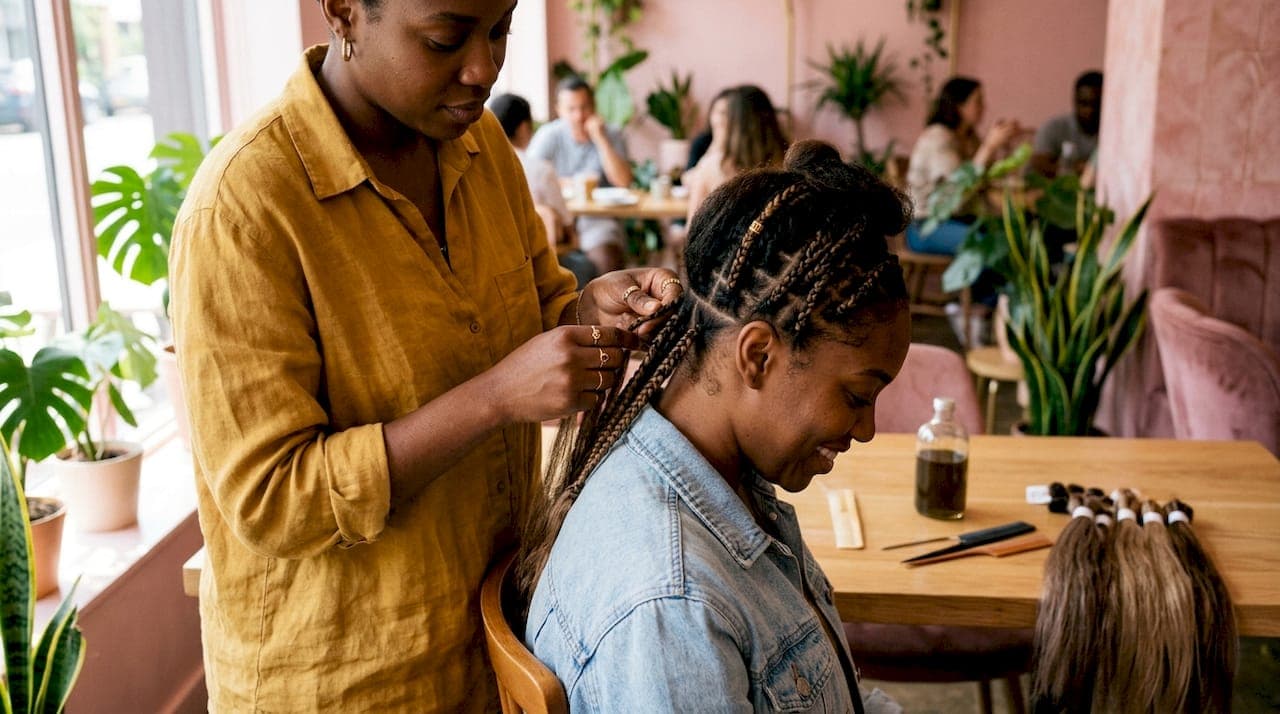
Knotless braids are defined as a protective braid style where the stylist begins with your natural hair at the scalp and gradually feeds in extension hair using the feed-in technique, eliminating the anchor knot used in traditional box braids. This is exactly why knotless braids start from the scalp: the method distributes weight gradually along the braid shaft instead of concentrating it at the root. The result is less tension on your follicles, a flatter and more natural finish, and a style that works for sensitive scalps from day one. Understanding the mechanics behind this technique helps you make smarter choices about your hair health and your next protective style.
Why do knotless braids start from the scalp?
Knotless braids start from the scalp because the stylist uses your natural hair as the foundation of each braid. No extension hair touches the root at the beginning. Instead, small sections of extension hair are fed in gradually as the braid moves down the shaft. This is the core difference between knotless braids and traditional box braids, and it changes everything about how the style feels and performs.
Traditional box braids anchor extension hair directly at the root with a folded knot. That knot creates immediate, concentrated tension on the follicle. Starting at the scalp with natural hair eliminates that immediate traction, making the style significantly safer for thin or fragile hair. The risk of traction alopecia, a form of hair loss caused by repeated pulling at the root, drops considerably with this method.
The feed-in technique also means the braid gains weight slowly and evenly. Think of it like loading a backpack: one heavy item dropped in all at once strains the straps immediately, but packing items gradually distributes the load. The same principle applies to your hair follicles. Gradual weight distribution keeps each follicle under manageable stress throughout the entire braid length.
- No anchor knot at the root: Extension hair never folds over and pulls at the follicle from the start.
- Gradual feed-in: Small amounts of extension hair are added in stages, spreading weight along the braid.
- Reduced traction alopecia risk: Minimal pulling at the root is key to reducing breakage and keeping the install comfortable.
- Suitable for sensitive edges: The technique protects the most fragile areas of your hairline.
Pro Tip: Ask your stylist to pause mid-install and gently press on your scalp near the roots. If you feel sharp pulling or immediate soreness, the tension is too high. A well-executed knotless install should feel snug but never painful.
What are the visual and stylistic benefits of starting at the scalp?
The scalp-start method creates a look that traditional braids simply cannot replicate. Knotless braids lay flatter on the scalp and produce a natural, seamless finish with no visible bulk at the root. That clean, low-profile root is what gives knotless braids their signature polished appearance, the kind that looks like your hair grew that way.
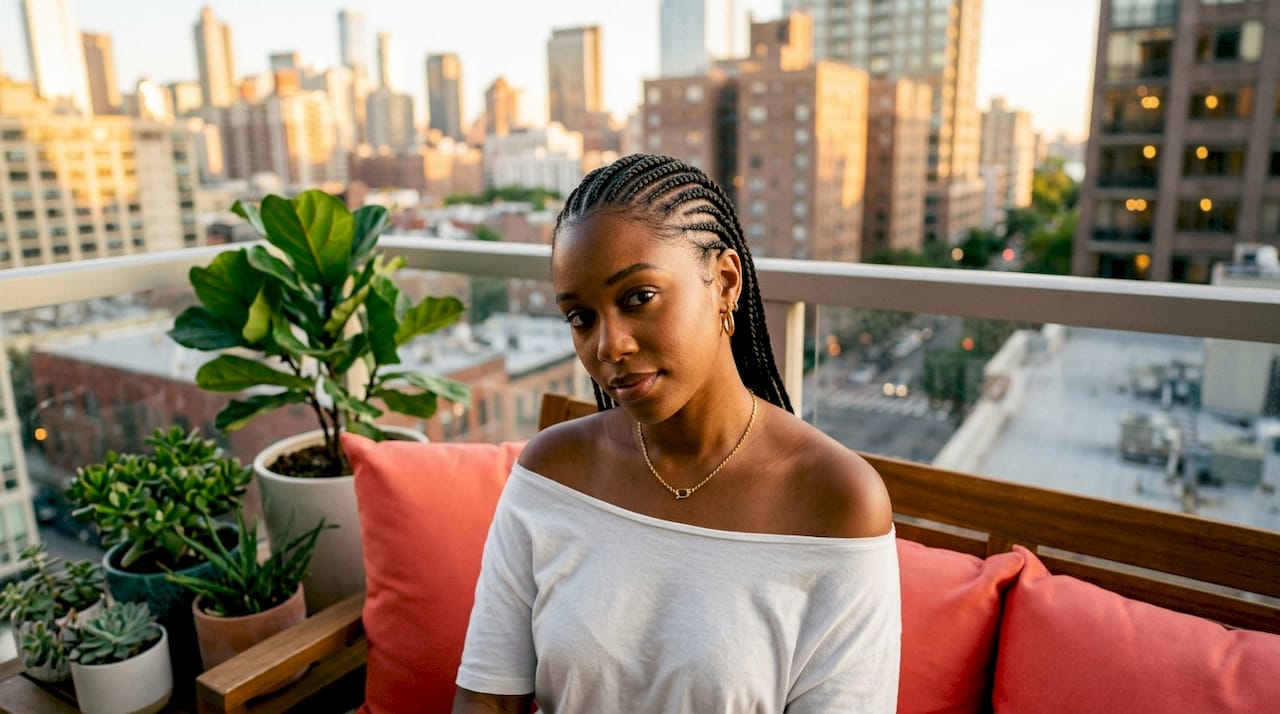
The absence of a knot at the base also means your scalp is more visible between parts. This is not just a cosmetic detail. Better scalp visibility improves airflow to the roots, which reduces the warm, damp conditions that lead to buildup and odor during extended wear. Clients who have worn both styles consistently report that knotless braids feel lighter and less suffocating, especially in warmer months.
Styling versatility is another direct benefit of the scalp-start approach. Knotless braids can be styled immediately without a break-in period because there is no stiff anchor knot pulling against the scalp. High ponytails, buns, and half-up styles are all accessible from the moment you leave the salon chair.
- Flat, natural root: No bulky knot means the braid sits close to the scalp for a cleaner part.
- Seamless finish: The style mimics the look of natural hair growth, appealing to clients who want a subtle protective style.
- Immediate styling options: High ponytails and updos are possible from day one, with no stiffness or soreness holding you back.
- Better scalp airflow: Visible parts between braids allow ventilation that traditional styles block.
For a deeper look at how length choices affect the overall aesthetic, the popular knotless braid lengths guide from Afromagicbraiding walks through current style trends with expert input.
How does starting at the scalp improve scalp health?
Scalp health is where the knotless method delivers its most meaningful long-term advantage. Knotless braids reduce the amount of synthetic hair touching the scalp, which directly lowers the risk of irritation and allergic reactions to the chemical coatings on synthetic fibers. Clients with sensitive skin or a history of scalp reactions find this difference significant.
Cleaner, more accessible scalp sections also make maintenance far easier. Increased scalp visibility allows for better airflow and easier deep scalp cleansing compared to traditional box braids. You can apply a diluted shampoo or scalp oil directly to the roots without fighting through dense, knotted bases. That access matters when you are wearing a style for six or more weeks.
Moisture retention is another area where the scalp-start method wins. Because the roots are more accessible, you can apply lightweight oils like jojoba or tea tree oil directly to the scalp without disturbing the braids. Regular scalp massage along the parts also promotes circulation, which supports healthy follicle function during extended wear. The knotless braid scalp massage guide from Afromagicbraiding covers exactly how to do this between appointments.
- Less synthetic fiber contact: Reduces chemical exposure at the scalp, lowering irritation risk.
- Easier cleansing: Open parts allow shampoo and water to reach the scalp directly.
- Targeted moisturizing: Scalp oils can be applied precisely without disturbing the braid structure.
- Reduced itching: Less tension and less chemical contact together minimize the most common complaint about long-term braid wear.
Pro Tip: Mix a few drops of peppermint oil into a lightweight carrier oil like grapeseed oil and apply it along your parts every 5–7 days. Peppermint stimulates circulation and reduces the itching that often peaks around week two of a fresh install.
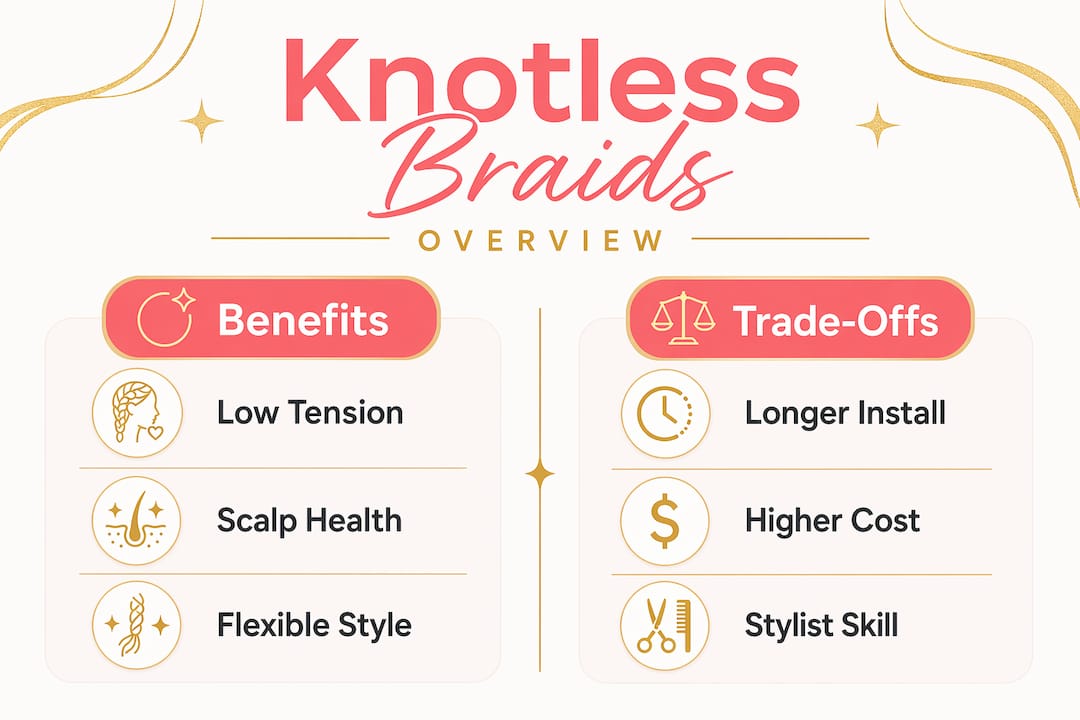
What are the trade-offs of knotless braids?
Knotless braids require more time and skill than traditional box braids. Installation is more technically demanding because the stylist must carefully control how extension hair weight is introduced at each stage of the braid. A rushed or inexperienced install can result in uneven tension, which defeats the purpose of the technique entirely.
Longer chair time translates directly to higher salon costs. Clients should expect to pay more for knotless braids than for a comparable traditional box braid install. The investment is justified by the health benefits and the longer wear window. Knotless braids typically last 4–12 weeks depending on hair texture, braid size, and how well you maintain them. That lifespan is competitive with traditional styles, and the reduced breakage means your natural hair is in better condition when you take them down.
Choosing the right stylist is the most important practical decision you will make. The feed-in technique demands experience. A stylist who is not comfortable with gradual weight distribution may compensate by pulling tighter at the root, which recreates the exact tension problem the method is designed to solve. Always review a stylist's portfolio and ask specifically about their knotless braid experience before booking.
| Feature | Knotless braids | Traditional box braids |
|---|---|---|
| Root tension | Low, gradual feed-in | High, anchor knot at root |
| Scalp comfort | Comfortable from day one | Often requires a break-in period |
| Install time | Longer | Shorter |
| Styling versatility | Immediate, flexible | Limited until braids loosen |
| Traction alopecia risk | Lower | Higher |
| Wear lifespan | 4–12 weeks | 4–8 weeks typical |
For a full side-by-side breakdown of both styles, the box braids vs. knotless braids guide from Afromagicbraiding covers technique, comfort, and hair health in detail.
Key Takeaways
Knotless braids start from the scalp because the feed-in technique distributes extension hair weight gradually, eliminating root tension and making the style safer, more comfortable, and more versatile than traditional box braids.
| Point | Details |
|---|---|
| Scalp-start reduces tension | Beginning with natural hair eliminates the anchor knot and protects follicles from immediate pulling. |
| Feed-in technique is the key | Gradual addition of extension hair spreads weight evenly, lowering traction alopecia risk. |
| Better scalp access | Visible parts allow easier cleansing, moisturizing, and airflow during extended wear. |
| Immediate styling freedom | No break-in period means high ponytails and updos are possible from day one. |
| Longer install, longer reward | Higher chair time and cost are offset by 4–12 weeks of wear and reduced hair breakage. |
What years of braiding taught me about starting at the scalp
Every client who sits in my chair for the first time asks the same question: "Will it hurt?" With traditional box braids, the honest answer used to be "a little, yes." The anchor knot pulls immediately, and that soreness in the first 48 hours is something clients just accepted as normal. It is not normal. It is a warning sign that the follicle is under stress.
The scalp-start method changed that conversation completely. When I began using the feed-in technique consistently, clients stopped texting me two days after their appointment to say their scalp was sore. They started texting to say they forgot they had braids in. That shift in client experience is the clearest evidence I have that the technique works exactly as intended.
The part that most articles skip is this: the scalp-start method only delivers its benefits when the stylist controls tension throughout the entire install, not just at the root. I have seen knotless braids installed with a light root but pulled tight at the mid-shaft, which creates a different kind of stress that is harder to detect and just as damaging. The technique requires attention at every stage, not just the first inch.
My advice to anyone researching this style is to ask your stylist to demonstrate the feed-in process on one braid before committing to a full head. A confident stylist will welcome that request. The right professional will also tell you honestly whether your hair texture and density are suited to the style, rather than just booking the appointment. Every braid tells a story, and the best ones start with an honest conversation.
— Afro
Professional knotless braiding at Afromagicbraiding
Afromagicbraiding specializes in knotless braid installations that begin exactly where they should: at the scalp, with your natural hair as the foundation.
Every stylist at Afromagicbraiding is trained in the tension-free feed-in technique, so your install is comfortable from the first braid to the last. Whether you are new to protective styles or switching from traditional box braids, the team will assess your hair texture, recommend the right braid size, and walk you through a maintenance plan that keeps your scalp healthy for the full wear period. View the style portfolio to see the quality of work firsthand, or book your appointment directly online.
FAQ
Why do knotless braids start with natural hair instead of extensions?
Starting with natural hair eliminates the anchor knot that creates immediate root tension in traditional box braids. This protects follicles from traction stress and reduces the risk of traction alopecia from the very first braid.
Are knotless braids better for sensitive scalps?
Yes. Knotless braids reduce synthetic hair contact with the scalp, which lowers exposure to chemical coatings on synthetic fibers and minimizes irritation and allergic reactions for clients with sensitive skin.
How long do knotless braids last compared to traditional box braids?
Knotless braids last 4–12 weeks depending on hair texture, braid size, and maintenance. Traditional box braids typically fall in the 4–8 week range, making knotless braids competitive on longevity while delivering better scalp health outcomes.
Can you style knotless braids right after installation?
Yes. Unlike traditional box braids, knotless braids are flexible from installation and require no break-in period. High ponytails, buns, and half-up styles are all accessible immediately after leaving the salon.
Do knotless braids cost more than traditional box braids?
Knotless braids typically cost more because the feed-in technique requires greater skill and longer installation time. The higher upfront cost is offset by reduced breakage, a longer wear window, and better overall scalp health during the style.