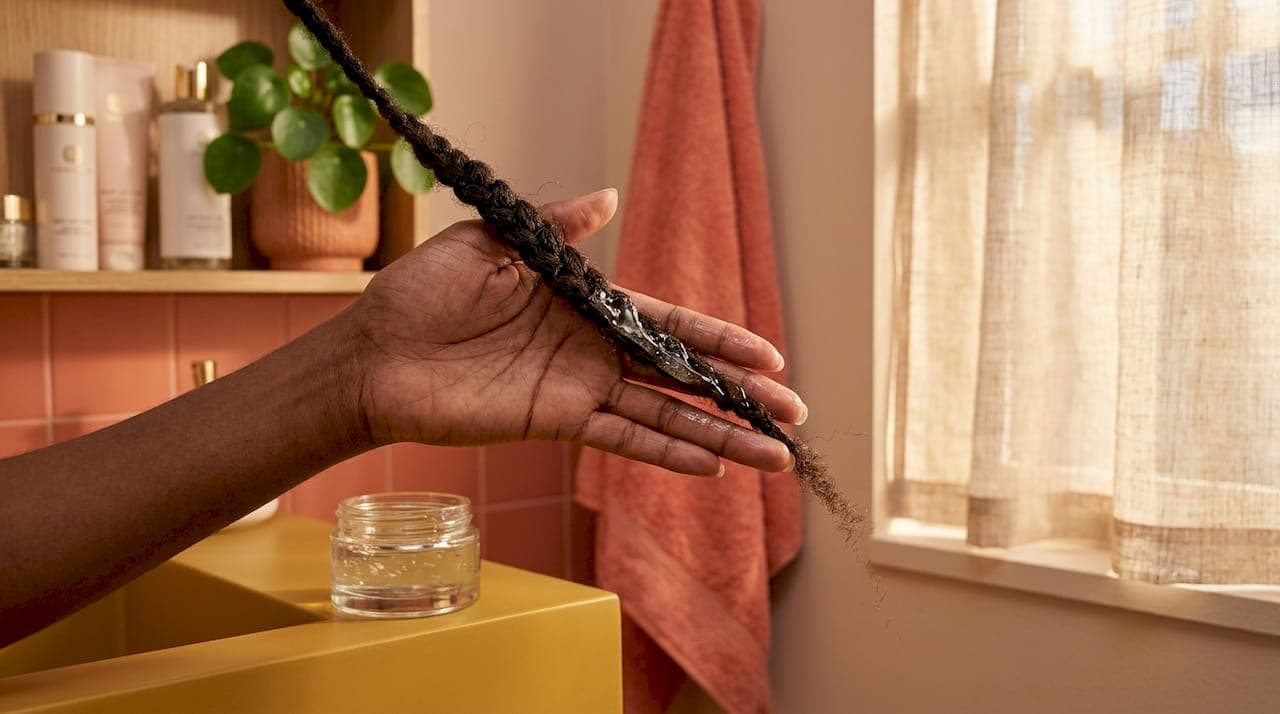
Hair braiding gel is a specialized styling product formulated to secure and define braided hairstyles with stronger, longer-lasting hold and scalp-friendly conditioning than regular hair gel. Unlike everyday styling gels, braiding gel is built for protective styles that stay in place for weeks, not hours. It controls frizz along the hair shaft, keeps parts clean, and reduces the flaking and residue that generic gels leave behind. If you've ever wondered why your braids look polished at a salon but not at home, the answer often comes down to this one product.
What is hair braiding gel and how does it differ from regular gel?
Hair braiding gel, also called braid gel or braid styling gel in professional settings, is engineered for a specific job: holding protective styles like box braids, cornrows, and Senegalese twists for extended wear. Extreme hold formulas suit styles lasting 3 to 6 weeks, while softer formulas work well for kids' cornrows worn 1 to 2 weeks. That range alone separates braiding gel from the drugstore hair styling gel you'd use for a wash-and-go.
Regular hair gel is designed for short-term hold, typically a few hours to one day. It often contains drying alcohols that stiffen the hair shaft and leave white flakes when disturbed. Braiding gel skips those harsh ingredients in favor of conditioning agents that keep strands flexible and the scalp comfortable throughout extended wear.
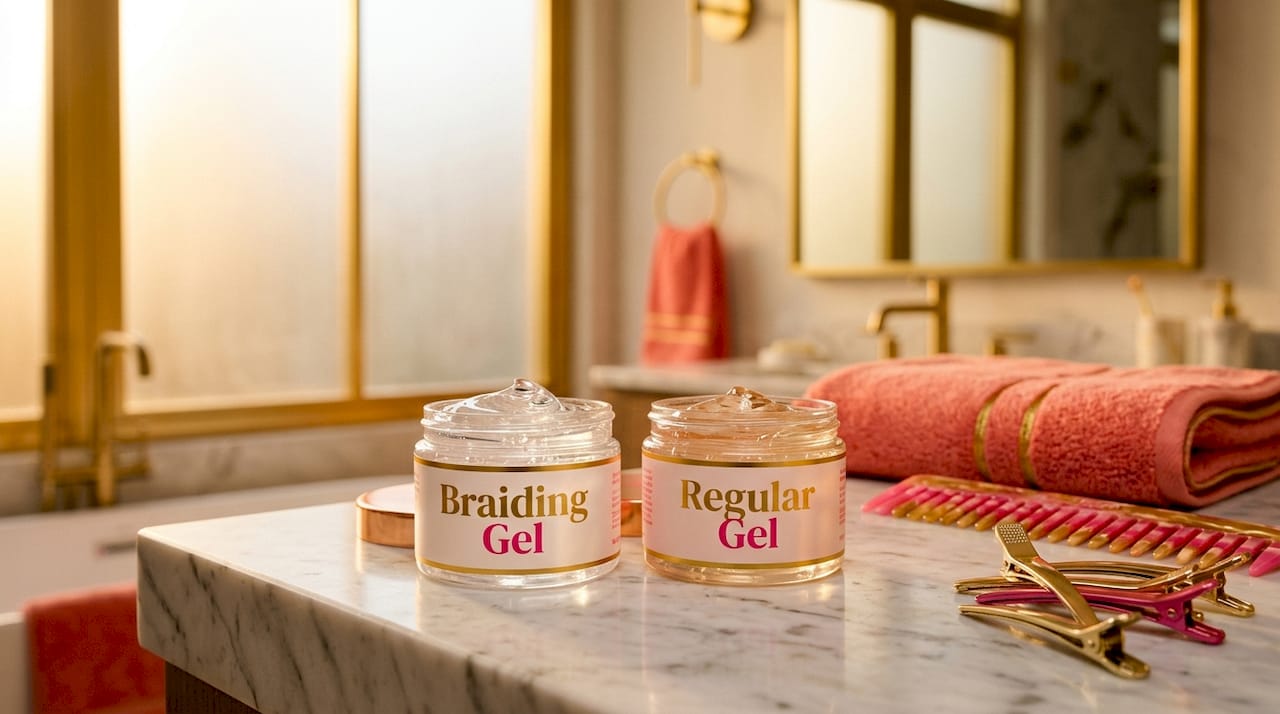
Edge control is another product people confuse with braiding gel. The two serve different roles. Braiding gel provides foundation hold during the actual braid construction, keeping sections neat and parts defined. Edge control is a finishing product applied after braiding to lay the hairline flat and smooth baby hairs. Using them in the wrong order, or substituting one for the other, produces noticeably weaker results.
Quick comparison: braiding gel vs. regular gel vs. edge control
| Product | Primary use | Hold duration | Key feature |
|---|---|---|---|
| Braiding gel | Foundation hold during braid construction | 1 to 6 weeks | Non-flaking, conditioning formula |
| Regular hair gel | Short-term style definition | Hours to 1 day | Affordable, widely available |
| Edge control | Hairline finishing after braiding | Days to 1 week | Slick texture, targets baby hairs |
How to use hair braiding gel for long-lasting results
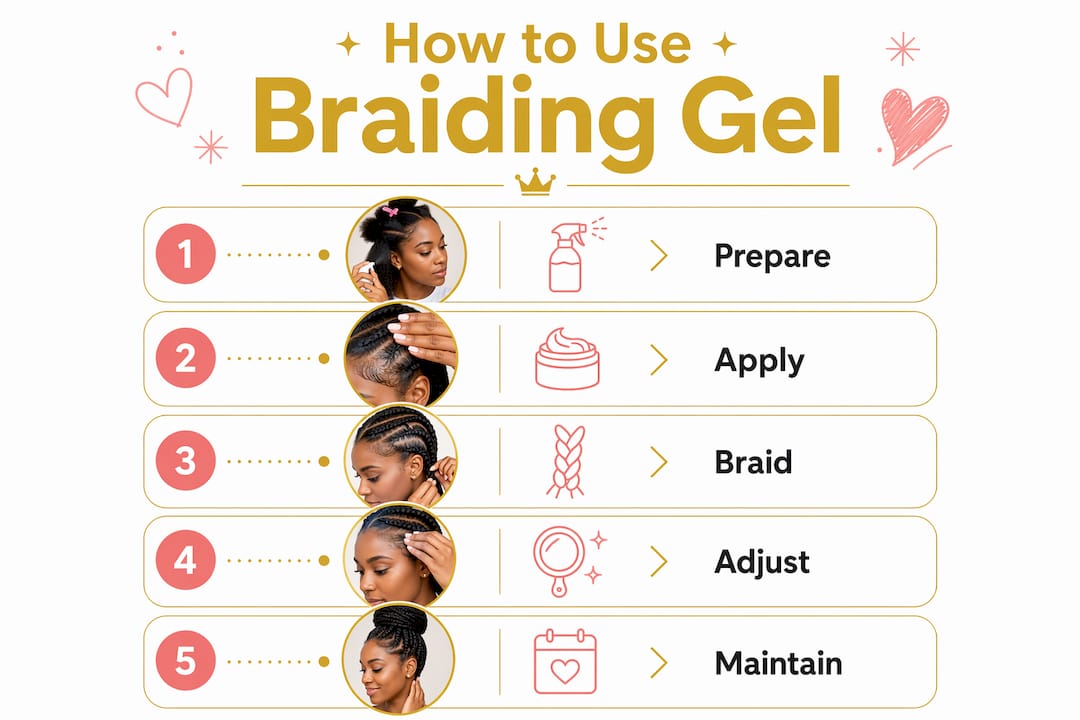
Technique matters as much as product choice. The most common mistake is applying too much gel, which saturates the hair shaft, causes slippage, and creates visible white buildup once the style dries. Follow these steps for clean, lasting braids:
- Start with clean, detangled hair. Product buildup from previous styles blocks gel from bonding properly to the hair shaft.
- Warm a dime-sized amount between your palms. Applying gel lightly to hair shafts, while avoiding direct scalp contact, reduces irritation and prevents clogged follicles.
- Work section by section. Apply gel only to the section you're actively braiding. This keeps the product fresh and prevents it from drying out before you reach that section.
- Allow the gel to set fully before braiding. Braiding over wet gel traps moisture, which weakens hold and increases the risk of mildew in longer styles.
- Mist braid ends lightly with water. This reactivates the gel at the tips and prevents the dry, frayed look that appears after the first few days.
- Use a thin layer for flyaways and parts only. Minimal application and full drying keeps the braid surface clean and residue-free throughout the wear period.
Pro Tip: If you notice flaking after your braids dry, you used too much product. Next time, cut your gel amount in half and focus application on the root area and any visible flyaways rather than coating the entire strand.
Braid tension is the other variable most people overlook. Gel helps you achieve neat parts without pulling aggressively, which means you can actually braid more gently when your product is doing its job. That gentler tension protects your edges and reduces scalp soreness after installation.
What to look for in a scalp-friendly braiding gel
Not every gel labeled "for braids" is actually good for your scalp. Reading the ingredient list before you buy protects your hair health over the long term. Here's what to prioritize and what to avoid:
Look for these ingredients:
- Aloe vera or glycerin for moisture retention along the hair shaft
- Panthenol (vitamin B5) to strengthen strands and reduce breakage
- Natural oils like castor oil or jojoba oil for scalp conditioning
- Hydrolyzed proteins that reinforce the hair cuticle during extended wear
Avoid these ingredients:
- Drying alcohols such as isopropyl alcohol or SD alcohol, which strip moisture and cause flaking
- Synthetic fragrances that can trigger scalp irritation, especially under braids worn for weeks
- Parabens and sulfates, which disrupt the scalp's natural moisture balance
Quality braid gels avoid irritants found in regular gels and include moisturizing ingredients for scalp and strand flexibility. This distinction matters most for people with sensitive scalps or those who wear protective styles back to back without extended breaks.
Traction alopecia risk increases with tight braids and heavy synthetic hair. Choosing a gel that supports scalp hydration reduces one layer of that risk, even if the primary cause of breakage is mechanical tension rather than the product itself. Dermatologist Jeanine Downie and trichologist Vanessa Ocando both emphasize that gentle tension and scalp hydration are the most effective tools for preventing damage during braided styles.
How braiding gel fits into a healthy protective styling routine
Braiding gel is a foundation product, not a standalone solution. The healthiest protective styling routines treat it as one piece of a larger system. Here's how it fits:
- Before braiding: Apply braiding gel to clean, moisturized hair to define sections and control frizz. This is the product's primary role, and it works best when the hair underneath is already hydrated.
- During braiding: Use gel sparingly on each section as you go. Product sequencing during braid construction directly affects how long the style holds and how much residue builds up over time.
- After braiding: Switch to edge control for the hairline. Apply a light oil or scalp serum to exposed parts to maintain moisture between wash days.
- During wear: Refresh the scalp with a diluted tea tree oil spray or lightweight scalp oil every 5 to 7 days. Braiding gel does not replace ongoing scalp care.
- At takedown: Use a detangling conditioner generously before removing braids to minimize mechanical breakage. The scalp care strategies you follow between installs matter as much as the products you use during them.
Hair breakage from braids results mostly from mechanical traction rather than the gel itself. That means your installation technique, specifically braid tension and sectioning precision, carries more weight than any single product. Braiding gel supports healthy installation by reducing the need for forceful pulling to achieve clean parts. For a deeper look at tension-free braiding techniques, the approach makes a measurable difference in long-term hair retention.
Key takeaways
Hair braiding gel is a non-negotiable foundation product for protective styles, and its effectiveness depends entirely on choosing a scalp-friendly formula and applying it with restraint.
| Point | Details |
|---|---|
| Definition and purpose | Braiding gel is a specialized styling gel for protective styles, offering stronger hold and less flaking than regular gel. |
| Product sequencing | Apply braiding gel during installation for hold, then use edge control afterward for hairline finishing. |
| Application technique | Use a dime-sized amount per section, avoid the scalp directly, and allow full drying before braiding. |
| Ingredient selection | Choose formulas with aloe vera, panthenol, or natural oils; avoid drying alcohols and synthetic fragrances. |
| Scalp health priority | Breakage comes from tight tension, not gel. Select scalp-friendly products and braid gently to protect hair long term. |
Why most people get braiding gel wrong
I've seen this pattern repeat itself more times than I can count. Someone buys a gel labeled "extra hold" and applies it generously from root to tip, expecting salon-quality results. What they get instead is stiff, flaky braids by day three and a scalp that itches by day five. The product isn't the problem. The approach is.
The biggest misconception about hair gel for braiding is that more product equals more hold. The opposite is true. A thin, even layer of a quality braiding gel grips the hair shaft far better than a heavy coat that never fully dries. I've watched stylists at Afromagicbraiding achieve flawless knotless braids using less product than most people apply to a single section at home.
The second thing most people miss is the relationship between gel and tension. When your gel is doing its job, your hands don't have to work as hard. Clean, gel-defined sections braid more smoothly, which means less pulling and less stress on the follicle. That's where the real benefit of braiding gel lives. It's not just about aesthetics. It's about protecting the hair you're working so hard to grow.
My honest recommendation: invest in a braiding gel with conditioning agents, use it sparingly, and pair it with a gentle installation technique. The style will look better, last longer, and your scalp will thank you when it's time for takedown.
— Afro
Experience the Afromagicbraiding difference
Ready to see what the right products and the right hands can do for your hair? At Afromagicbraiding, every style is installed with care, using scalp-friendly products and a tension-free feed-in technique that honors both your hair health and your personal aesthetic.

Whether you're booking your first set of knotless braids or returning for a fresh protective style, our team in Southfield, Michigan brings expertise and cultural pride to every appointment. Browse our braid style gallery to find your next look, or book your appointment today and let us take care of the rest. Every braid tells a story. Let us help you tell yours.
FAQ
What is hair braiding gel used for?
Hair braiding gel is used to provide strong, long-lasting hold during the installation of protective styles like box braids, cornrows, and twists. It keeps sections neat, controls frizz, and reduces flaking compared to regular hair gel.
Is hair braiding gel the same as edge control?
No. Braiding gel is applied during braid construction to secure sections and define parts, while edge control is a finishing product used after braiding to lay the hairline and smooth baby hairs. Using both in the correct order produces the best results.
How much braiding gel should I use per section?
A dime-sized amount warmed between your palms is the recommended starting point for each section. Applying more than that increases the risk of flaking, product buildup, and braid slippage once the style dries.
Can braiding gel damage my hair?
Braiding gel itself is not the primary cause of hair damage. Hair breakage during braided styles comes mainly from tight tension and mechanical traction. Choosing a formula free of drying alcohols and synthetic fragrances minimizes any additional scalp irritation.
What ingredients should I avoid in a braiding gel?
Avoid braiding gels that contain isopropyl alcohol, SD alcohol, sulfates, or synthetic fragrances. These ingredients strip moisture from the hair shaft, irritate the scalp, and cause the white flaking that makes braids look unkempt after a few days.