
Tribal braids are a protective hairstyle category rooted in African traditions, combining unique cornrow patterns with personal expression to create looks that are both culturally meaningful and undeniably stylish. The must-try tribal braids of 2026 span over 50 distinct variations, from classic Fulani-inspired cornrows to bohemian looks with loose, flowing curls. Every braid tells a story, and at Afromagicbraiding, we believe that story should reflect who you are. This guide covers the top styles, care routines, and customization tips you need to wear tribal braids with confidence.
What are the defining features of must-try tribal braid styles?
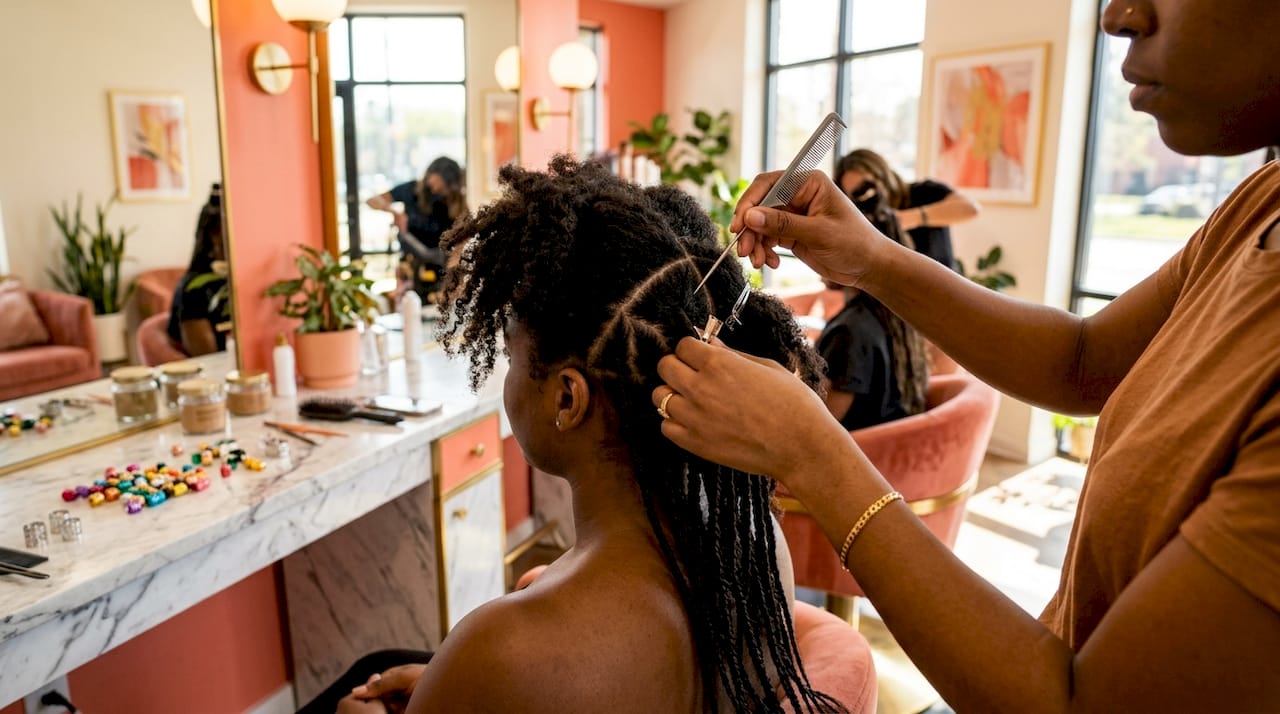
Tribal braids is a broad term covering any protective style built on unique cornrow patterns, varied braid sizes, and culturally inspired designs. The industry standard term for the most recognized version is Fulani braids, which feature a center-part cornrow pattern, braided strands near the temples, and face-framing braids that fall forward. Knowing the difference between Fulani braids and general tribal braids helps you communicate clearly with your stylist and arrive at your appointment with realistic expectations.
Popular 2026 tribal braid styles share a few defining features:
- Cornrow base patterns: Straight back, curved, or geometric parts that form the foundation of the style
- Braid size variety: Jumbo, medium, and micro braids, often mixed within a single look for visual depth
- Face-framing braids: Forward-falling braids at the temples that soften the overall shape
- Accessories: Beads, cowrie shells, and metal cuffs woven into the braids for cultural and aesthetic detail
- Curl or wave ends: Loose curls or waves added at the tips for a bohemian finish
Bringing reference photos to your appointment is the single most effective way to get the exact look you want. Stylists use them to match parting patterns, braid sizes, and accessory placement with precision.
Pro Tip: Save at least three reference photos showing different angles of your desired style. Front, side, and back views give your braider the full picture.
1. Fulani braids with classic cornrow patterns
Fulani braids are the most requested tribal braid style in 2026, with 80–90% of tribal braid appointments requesting this variation. The style originates from the Fulani people of West Africa and is recognized by its center part, a single braid running down the middle of the head, and two to three braids framing the face. It works beautifully for cultural events, everyday wear, and formal occasions alike.
The key to a great Fulani set is the parting. Clean, symmetrical parts create a polished finish, while slightly asymmetric or curved parts give a more relaxed, artistic feel. Ask your stylist which parting pattern suits your face shape before the session begins.
2. Bohemian tribal braids with loose curls
Boho tribal braids are the most requested style among women who want softness alongside structure. The look combines a cornrow base with loose curls or waves at the ends, creating a style that feels free and effortless. The curls help disguise natural hair thinning at the ends, which makes this style especially popular among women with fine or transitioning hair.
The trade-off is maintenance. Boho curls require detangling every 2–3 days to prevent matting and breakage. Use a wide-tooth comb or your fingers, starting from the tips and working upward. For a deeper look at keeping these curls fresh, the boho braid care routine at Afromagicbraiding's blog covers the full process.
3. Tribal braids with beads and cuffs
Beaded tribal braids are a direct expression of cultural heritage. Cowrie shells, wooden beads, and metal cuffs each carry visual and symbolic weight. The placement of beads along the length of the braid or clustered at the ends changes the entire feel of the style.
Accessory weight matters more than most clients realize. Professionals recommend no more than 1–2 metal cuffs per braid section to prevent uneven scalp pulling and breakage. Wooden beads distribute weight more evenly and are a better choice for longer wear periods. When choosing accessories, think about your daily routine. Heavy metal cuffs may feel uncomfortable during workouts or long workdays.
4. Freestyle tribal braids with geometric patterns
Freestyle tribal braids use curved, zigzag, or diagonal parting patterns to create a geometric design across the scalp. The visual effect is bold and artistic, making this style a standout choice for cultural events and photo shoots. No two sets look exactly alike, which is part of the appeal.
The complexity of geometric patterns requires careful tension control. Intricate braid patterns carry a higher risk of scalp irritation and traction alopecia when tension is applied unevenly. Always request a gentle tension technique, especially around the hairline, where skin is most sensitive. A skilled stylist will check in with you throughout the session.
5. Curly-end tribal braids for a softer finish
Curly-end tribal braids use a straight cornrow base with curly or kinky extension hair added at the tips. The result is a style that reads as structured from the roots and playful at the ends. This look works well for women who want the clean lines of traditional tribal braids without a fully uniform finish.
The quality of the extension hair used for the curly ends directly affects how long the style stays fresh. Human hair or high-grade synthetic options refresh better with mousse treatments and resist frizz longer than standard synthetic hair. Ask your stylist specifically about the hair brand and grade before your appointment.
6. Jumbo tribal braids for bold impact
Jumbo tribal braids use thick, large sections to create a statement look that installs faster and wears comfortably. The reduced number of braids means less tension on the scalp overall, which makes this style a good option for women with scalp sensitivity. The bold size also showcases geometric parting patterns more clearly than smaller braids.
Jumbo styles suit casual and creative settings particularly well. They are less common in conservative professional environments, though styling them into an updo or bun shifts the look toward a more polished register. The versatility of jumbo braids makes them one of the most practical unique tribal braids for everyday life.
7. Micro tribal braids for intricate detail
Micro tribal braids use very small sections to create a dense, detailed look that can last longer than larger styles when properly maintained. The fine braids allow for more complex parting patterns and layering, making them a favorite for women who want maximum visual intricacy. The installation time is longer, but the payoff in detail and longevity is significant.
The smaller the braid, the more important gentle tension becomes. Scalp irritation risks increase with tighter, smaller sections, particularly along the edges. Communicate openly with your stylist about any discomfort during the session. A good braider will adjust tension immediately rather than push through.
8. Tribal braids for cultural events and special occasions
Tribal braids remain a top protective style for cultural events because they honor heritage while offering room for personal expression. For weddings, festivals, and cultural celebrations, a beaded Fulani set or a geometric freestyle look communicates pride and intentionality. The style signals that you put thought into your appearance and your roots.
For special occasions, consider adding gold cuffs, cowrie shells, or colored thread to elevate the look. Coordinate your accessories with your outfit colors for a cohesive result. Afromagicbraiding's style gallery shows how accessories transform the same base braid into completely different looks for different events.
How to care for and maintain tribal braids
Protective styles last 6–8 weeks when professionally installed and properly maintained. Daily care takes as little as 5–10 minutes and makes a significant difference in how your braids look and feel at week six compared to week one.
Core maintenance habits:
- Moisturize your scalp daily: Use a lightweight oil or scalp spray to prevent dryness and flaking. Neglecting hydration can increase frizz by a significant margin within the first two weeks.
- Refresh curls with light mousse: Apply a small amount of mousse to curly ends every two to three days, scrunching gently to revive the curl pattern.
- Wear a silk or satin bonnet nightly: Cotton pillowcases pull moisture from braids and create friction that accelerates frizz and edge breakage.
- Avoid heavy product buildup: Use water-based products near the scalp and avoid heavy butters or oils that attract lint and residue.
Pro Tip: Dilute your leave-in conditioner with water in a spray bottle for a lighter daily scalp mist that absorbs quickly without weighing braids down.
For a full breakdown of scalp care while wearing braids, the scalp care strategies guide at Afromagicbraiding covers product types, application frequency, and warning signs to watch for.
What to consider when choosing your tribal braid style
Choosing the right tribal braid style means matching the look to your hair, your lifestyle, and your schedule. The table below outlines key factors to weigh before your appointment.
| Factor | Casual wear | Professional settings | Special occasions |
|---|---|---|---|
| Braid size | Jumbo or medium | Medium or micro | Any size with polished accessories |
| Pattern complexity | Freestyle geometric | Clean straight-back cornrows | Fulani center-part or geometric |
| Accessories | Wooden beads, shells | Minimal or none | Gold cuffs, cowrie shells, colored thread |
| Curl ends | Boho curls welcome | Neat ends preferred | Curls or sleek ends both work |
| Maintenance demand | Moderate | Low to moderate | Plan for a fresh install |
Customization is the key to a tribal braid style that fits your real life. Discuss your daily routine, workout frequency, and work environment with your stylist before the session. A braider who understands your lifestyle will make better decisions about tension, size, and accessory placement.
Scalp sensitivity should always take priority over trend complexity. A simpler parting pattern with gentle tension protects your edges and keeps your hair healthy for the next install. Healthy hair grows, and healthy edges frame every style better.
Key takeaways
The most effective tribal braid styles combine culturally rooted technique, appropriate braid size, and a maintenance routine matched to your lifestyle and hair health.
| Point | Details |
|---|---|
| Fulani braids lead 2026 requests | Center-part cornrow patterns with face-framing braids suit most face shapes and occasions. |
| Boho curls need regular upkeep | Detangle curly ends every 2–3 days and use high-grade extension hair for longer freshness. |
| Accessory weight affects hair health | Limit metal cuffs to 1–2 per braid section and favor wooden beads for even weight distribution. |
| Gentle tension protects your edges | Request a tension-free technique, especially for geometric patterns and micro braids near the hairline. |
| Daily care extends style life | A 5–10 minute routine with scalp oil, mousse, and a satin bonnet keeps braids fresh for 6–8 weeks. |
Why I think most women underestimate the power of a good consultation
After years of working with clients at Afromagicbraiding, the single biggest factor separating a great tribal braid experience from a frustrating one is the conversation before the first braid is placed. Most women come in focused on the aesthetic, which makes sense. But the clients who leave happiest are the ones who talked about their scalp sensitivity, their sleep habits, and how much time they realistically have for maintenance.
The boho curl trend is a perfect example. It is genuinely beautiful, and it photographs incredibly well. But if you work out five days a week and sweat heavily, those curls will mat faster than you expect. That does not mean you should skip the style. It means you should know what you are committing to and plan your boho braid styling routine accordingly.
Cultural authenticity matters deeply in tribal braiding, and I take that seriously. Every pattern, every bead placement, and every parting choice carries meaning. The best tribal braid styles honor that history while fitting the real life of the woman wearing them. That balance is what we work toward with every client.
— Afro
Afromagicbraiding's tribal braid services in Southfield, Michigan
Afromagicbraiding specializes in knotless and tribal braid styles that honor cultural tradition while reflecting your personal aesthetic. Every appointment begins with a consultation to match your braid size, parting pattern, and accessory choices to your hair type and lifestyle.

The team sources premium extension hair, including human hair and high-grade synthetic options, to give your curly-end styles the longevity and freshness they deserve. Whether you are preparing for a cultural event or simply want a protective style that turns heads, the full style portfolio shows exactly what is possible. Ready to book your next tribal braid set? Schedule your appointment and let us create something uniquely yours.
FAQ
What are tribal braids?
Tribal braids are a protective hairstyle category built on unique cornrow patterns, varied braid sizes, and culturally inspired designs rooted in African traditions. Fulani braids are the most recognized sub-style, featuring a center part and face-framing braids.
How long do tribal braids last?
Professionally installed tribal braids last 6–8 weeks with proper daily maintenance, including scalp moisturizing and nightly satin bonnet use.
How do I style tribal braids for a cultural event?
Add gold cuffs, cowrie shells, or colored thread to a Fulani or geometric braid base, and coordinate accessory colors with your outfit for a cohesive, occasion-ready look.
Are tribal braids safe for sensitive scalps?
Tribal braids are safe for sensitive scalps when a stylist uses gentle tension techniques, especially around the hairline. Simpler parting patterns and medium to jumbo braid sizes reduce scalp stress compared to intricate micro styles.
What is the difference between boho tribal braids and classic tribal braids?
Classic tribal braids use uniform braided ends, while boho tribal braids add loose curls or waves at the tips for a softer finish. Boho styles require more frequent maintenance, including detangling every 2–3 days.