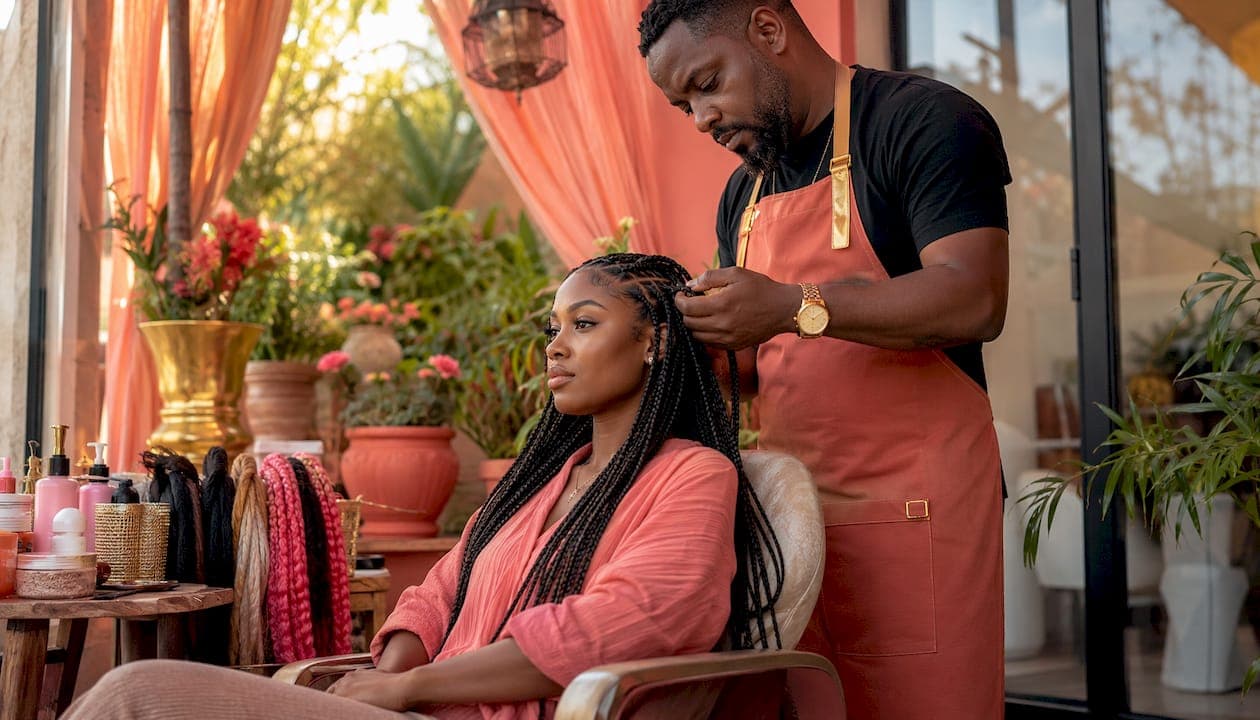
The styles that consistently hold up longest are knotless braids, traditional box braids, micro braids, faux locs, cornrows, Senegalese twists, and mini twists. Realistically, you can expect neat wear durations that vary depending on the style, your hair type, and how well you care for them. Here's the quick picture:
Braids such as knotless braids, traditional box braids, micro braids, faux locs, cornrows, Senegalese twists, and mini twists each have typical wear times shaped by their structure and maintenance.
The single most important habit? Silk or satin night protection from night one. Stylists consistently rank it as the most effective way to extend visual freshness across every style. The first 48 hours also matter enormously — more on that below.
Table of Contents
- Long-lasting braid styles ranked by how long they actually stay fresh
- What actually determines how long your braids stay fresh
- Your week-by-week maintenance plan for braids that last
- How to prepare your hair and what to ask your braider
- Products and tools that actually support braid longevity
- How long is it actually safe to keep braids in?
- Key Takeaways
- What stylists see in every long-lasting install
- Afromagicbraiding brings durable, professional braids to Southfield, MI
- Sources and further reading
Long-lasting braid styles ranked by how long they actually stay fresh
Every braid style has a durability sweet spot shaped by its structure, weight, and how it sits at the root. The table below gives you a quick reference, followed by the details that matter most.
| Style | Typical neat wear | Install time | Tension/fragility note |
|---|---|---|---|
| Knotless braids | 6–8 weeks | 4–8 hours | Low root tension; gentler on edges |
| Box braids | 6–8 weeks | 4–8 hours | Knot adds bulk; can feel tight initially |
| Micro braids | 6–10 weeks | 8 hours | Long install; very low weight per braid |
| Faux locs | 4–8 weeks | 6–10 hours | Heavier style; watch for root stress |
| Cornrows | 2–6 weeks | 1–4 hours | New growth shows quickly at the root |
| Senegalese twists | 6–8 weeks | 4–8 hours | Smooth twist resists frizz well |
| Mini twists | 6–8+ weeks | 6–10 hours | Excellent length retention with care |
| Boho knotless | 6–8 weeks (up to 10 with human hair) | 5 hours | Curly ends need extra moisture attention |
Knotless braids are the go-to for durability and scalp comfort. Because the braid starts with your natural hair and extensions are fed in gradually, there's no heavy knot pulling at the root. That translates directly to less early frizz and less edge stress. Boho knotless braids can reach 6–8 weeks, and sometimes up to 10 weeks, when installed with human hair and maintained carefully.
Micro braids are the sleeper pick for longevity. The tiny size spreads weight across far more roots, which reduces the tension that causes frizz and breakage. The trade-off is a long install session, but for clients who want maximum wear time, it pays off.
Cornrows are the most practical short-term option, great for summer heat, but new growth lifts the roots faster than any other style on this list. Plan for a refresh or take-down closer to the 4-week mark unless you're doing feed-in cornrows with extensions.
Pro Tip: Smaller braids generally last longer because each one carries less weight. If you're deciding between medium and small box braids, go smaller for longevity — just budget extra time in the chair.
What actually determines how long your braids stay fresh
The style itself is only part of the equation. These variables can add or subtract weeks from your wear time.
Installation technique is the biggest lever. Knotless and feed-in techniques reduce root tension, which means less frizz and less mechanical stress on your edges from day one. A traditional knot isn't wrong, but it requires a skilled hand to avoid over-tightening.
Braid size and density work together. Larger braids are heavier, and as your natural hair grows, that weight pulls harder on the root. Smaller, more densely installed braids distribute that load more evenly.
Extension quality shapes how the style ages. Human hair extensions tend to hold their texture and sheen longer than cheap synthetic options. If you plan to reuse extensions or want a style that looks polished at week six, human hair is worth the investment.
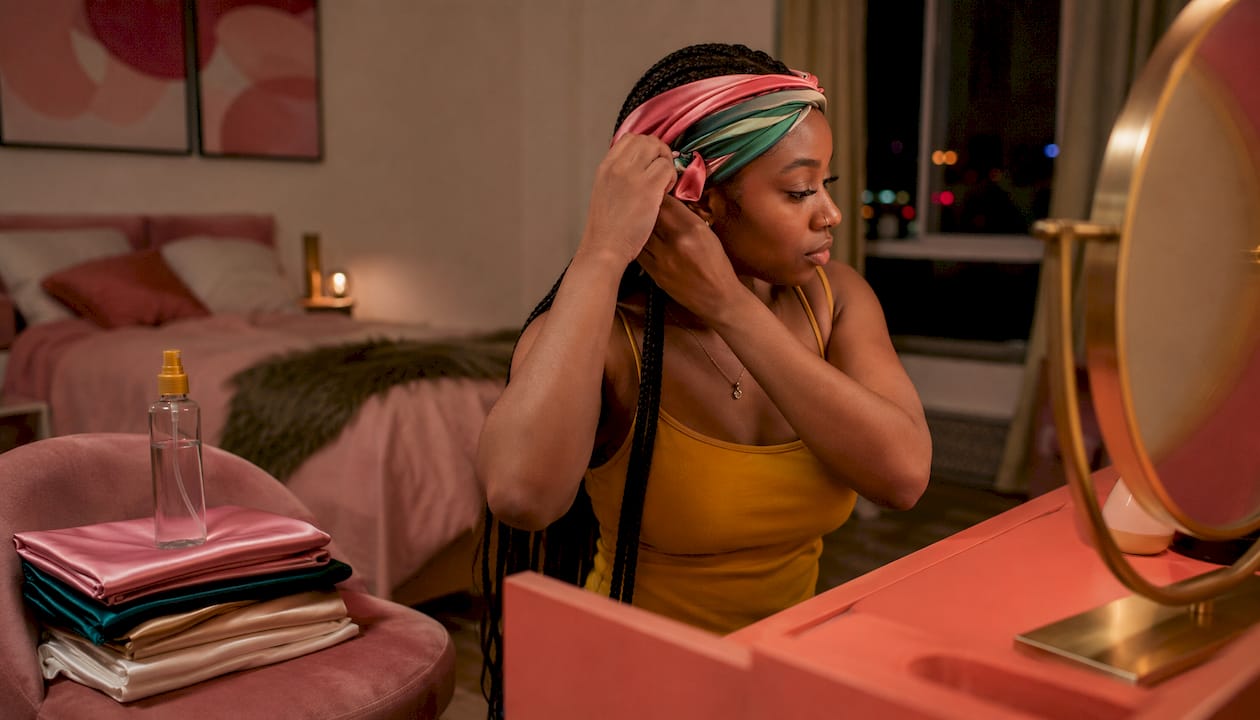
Daily friction is the silent killer of fresh braids. Cotton pillowcases, rough collars, and backpack straps all create friction that lifts the cuticle and accelerates frizz. Silk or satin night protection is the single most effective habit to slow that process.
Activity level matters too. Frequent workouts mean more sweat at the scalp, which can cause buildup and odor if you're not cleansing regularly. High-activity lifestyles call for a more frequent wash schedule, not skipping it.
Pro Tip: If you exercise regularly, keep a targeted applicator bottle with diluted sulfate-free shampoo on hand. A quick scalp cleanse after a heavy workout is far better than letting sweat sit for days.
Your week-by-week maintenance plan for braids that last
Good care starts the moment you leave the salon chair. Here's a practical timeline to follow.
Day 0 (install day): Keep your hands off. Avoid heavy water, steam, or sweat for the first 48 hours. This window is when the braid pattern sets and the extensions bond with your natural hair. Professional braiders report that the first 48 hours of care is the single biggest variable between styles lasting 8 weeks versus looking aged within two. Sleep with a satin bonnet or on a silk pillowcase from night one.
Week 1: Light scalp moisturizing only. Use a lightweight braid spray or diluted leave-in to hydrate the scalp without saturating the braids. No full wash yet.
Week 2: First wash day. Use a downward wash technique — apply diluted sulfate-free shampoo directly to the scalp and let the suds rinse down the braid rather than scrubbing. This minimizes cuticle lifting and keeps frizz low. Follow with a lightweight leave-in spray, not a heavy cream.
Week 2–3 (ongoing): Dry thoroughly after every wash. Trapped moisture leads to odor and mildew inside the braid core. A cool-setting blow dryer speeds drying significantly compared to air-drying alone. Refresh edges with a light serum as needed.
Week 4: Assess your edges and scalp. If you're seeing buildup or tension at the perimeter, a targeted perimeter refresh is far less disruptive than a full take-down. Use an applicator bottle with pointed nozzle for precision scalp cleansing.
Weeks 6–8: Watch for the warning signs listed in the removal section below. Most styles are at their safe maximum by week 8. Avoid heavy butters and greases at this stage — product buildup under braids is harder to remove and can cause scalp irritation.
Pro Tip: After washing, never go to sleep with damp braids. The moisture trapped inside the braid core overnight is what causes that musty smell that no amount of dry shampoo can fix.
How to prepare your hair and what to ask your braider
Arriving at your appointment with the right prep makes a measurable difference in how long your style lasts. Check out this pre-appointment hair health guide for a full checklist.
Before your appointment:
- Wash your hair 1–2 days before, not the morning of. Freshly washed hair can be too slippery for extensions to grip well.
- Deep condition the week before to strengthen your strands, but avoid heavy oils or butters the day before — they reduce grip.
- Detangle thoroughly. Knots in your natural hair slow installation and can create uneven tension.
- Trim any significant split ends so extensions don't snag on damaged hair.
Questions to ask your braider:
- What braid size do you recommend for my hair density and desired wear time?
- Can we do knotless or feed-in technique to reduce root tension?
- What tension level are you using at the perimeter? (Edges should never feel painful.)
- What extension type are you using, and is human hair an option for this style?
- How long will installation realistically take?
In the chair, pay attention to:
- Whether sections are clean and even (uneven sections create uneven tension)
- How your edges feel — mild tightness is normal, but pain is not
- Whether the braider is rushing the perimeter, where most tension damage happens
Pro Tip: Ask about a perimeter refresh service before you book. Refreshing just the edges and front sections at week 4 can extend your full style by 2–3 weeks without a complete redo.
Products and tools that actually support braid longevity
The right products keep your scalp healthy and your braids looking fresh. The wrong ones accelerate buildup and frizz. For a deeper look at knotless braid sizing and care, the Afromagicbraiding blog has you covered.
Keep these on hand:
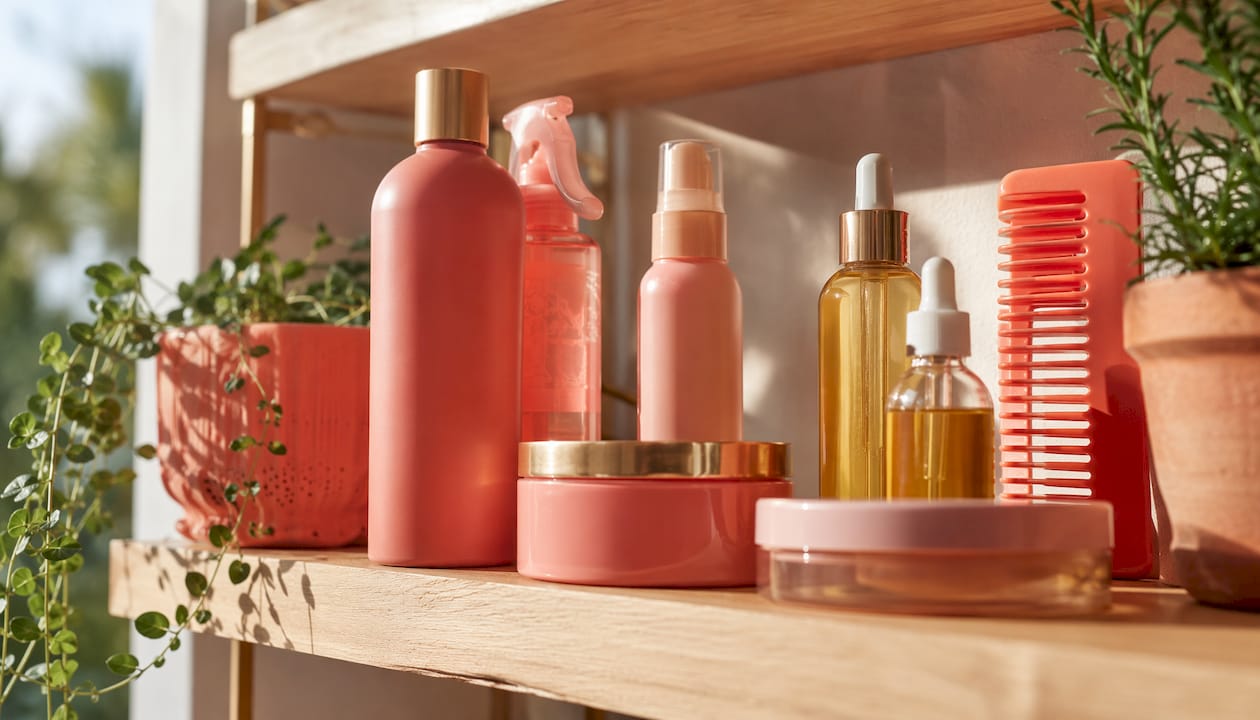
- Lightweight water-based braid spray or leave-in mist (humectants + lightweight oil blend)
- Sulfate-free clarifying shampoo, diluted in an applicator bottle with a pointed nozzle
- Alcohol-free setting mousse for smoothing flyaways without drying out the braid
- Lightweight edge serum (not heavy wax or gel, which builds up fast)
- Microfiber towel for blotting, not rubbing
- Wide satin bonnet or silk scarf for nightly protection
- Cool-setting blow dryer or a reverse-air dryer for dense braid sets
Avoid:
- Heavy butters and thick creams applied directly to braids (they trap dirt and cause buildup)
- Cotton towels (they create friction and pull the braid surface)
- Alcohol-based products (they dry out both your natural hair and extensions)
Human hair extensions age noticeably better than cheap synthetic options. If you're investing in a style you want to wear for 8 weeks, the extension quality is not the place to cut costs. For readers who prefer at-home styling support, mobile styling services can be a practical option between salon visits.
How long is it actually safe to keep braids in?
The general guideline from dermatologists and stylists is clear: most protective styles should come out after about 8 weeks to prevent mechanical damage and hair loss. Mini twists and certain human-hair installs with excellent maintenance can sometimes stretch a bit longer, but 8 weeks is the responsible ceiling for most people.
Hair density matters here. Those with finer or thinner hair should plan for removal closer to the 4-week mark, since thinner strands have less tolerance for sustained tension. Longer braids also add weight as your natural hair grows out at the root, which accelerates stress on the follicle.
Remove your braids immediately if you notice:
- Persistent soreness or tenderness at the root that doesn't ease after the first week
- Red bumps or pustules on the scalp
- Visible thinning or recession at the edges (a sign of traction stress)
- Heavy root matting that won't detangle with a spray and fingers
- Odor that persists after a thorough wash
When it's time to take down, patience is the most important tool you have. Rushing the removal process causes more breakage than almost anything else. Spray each braid with a water-and-conditioner mix as you work through it, and detangle from the ends up.
Pro Tip: Give your hair at least 2–4 weeks of rest between protective style installs. Braiding should be a seasonal practice, not a year-round default. Repeated back-to-back installs without rest are one of the most common causes of traction alopecia.
Key Takeaways
Knotless braids, micro braids, and Senegalese twists are the most durable long-lasting braid styles, with proper night protection and a careful first 48 hours being the two habits that matter most.
| Point | Details |
|---|---|
| Top styles for longevity | Knotless braids, box braids, micro braids, and Senegalese twists consistently reach 6–8 weeks (and sometimes up to 10 weeks for smaller or human hair installs) with proper care. |
| First 48 hours are critical | Avoid heavy water, steam, and friction immediately after install to protect the braid pattern. |
| Nightly protection is non-negotiable | A satin bonnet or silk pillowcase from night one slows frizz and extends visual freshness. |
| Safe maximum wear | Most protective styles should be removed by week 8 to prevent traction damage and hair loss. |
| Afromagicbraiding for professional installs | Afromagicbraiding offers knotless installs, perimeter refresh services, and premium hair in Southfield, MI. |
What stylists see in every long-lasting install
The most durable installs share one thing that clients rarely think to ask about: even tension from root to tip, not just at the scalp. When tension is inconsistent, some braids loosen faster, others pull harder, and the whole set ages unevenly. That's why the conversation you have before you sit in the chair matters as much as the products you use afterward.
The single most common mistake? Skipping the first-night bonnet because the braids "look fine." They always look fine on day one. The damage from a cotton pillowcase shows up at week two, when you're already committed to the style. By then, the frizz is baked in and no amount of edge serum will fully reverse it.
Every braid tells a story about the care it received. The good news is that story is almost entirely in your hands once you leave the salon.
Afromagicbraiding brings durable, professional braids to Southfield, MI
Getting a long-lasting install isn't just about the style you choose. It's about who installs it and what they use. Afromagicbraiding's experienced braiders specialize in tension-free knotless installs, feed-in cornrows, faux locs, Senegalese twists, and more, using premium braiding hair sourced for quality and longevity. Every service is designed to protect your natural hair while giving you weeks of beautiful, low-maintenance wear.

Afromagicbraiding also offers perimeter refresh appointments so you can extend your style without a full take-down, plus in-salon access to the lightweight sprays, edge serums, and accessories your braids need between visits. Browse the style gallery to see recent work, or check out client reviews from clients who've worn their styles for weeks. Ready to book your next install? Schedule your appointment and let's create something that lasts.
Sources and further reading
- How to Maintain Braids: Frizz Control, Scalp Care, and Longevity — CU Independent
- How to Maintain African Braids: 5 Tips for 8-Week Wear — Glossiee
- How to Care for and Maintain Braids, According to Stylists — RevAir
- Boho Knotless Braids: The Complete Size and Style Guide — Boho Braids
- 6 Summer Braid Styles That Protect Natural Hair in Heat and Humidity — Allure
- 8 Best Protective Styles for Maximum Length Retention — The Pigmented
- How to Maintain Braids, According to Experts — NBC News Select
- Box Braids Tips for Healthy, Long-Lasting Styles — Afromagicbraiding Blog
- Hair Health Before Your Braiding Visit — Afromagicbraiding Blog
- Popular Knotless Braid Lengths: 2026 Style Guide — Afromagicbraiding Blog