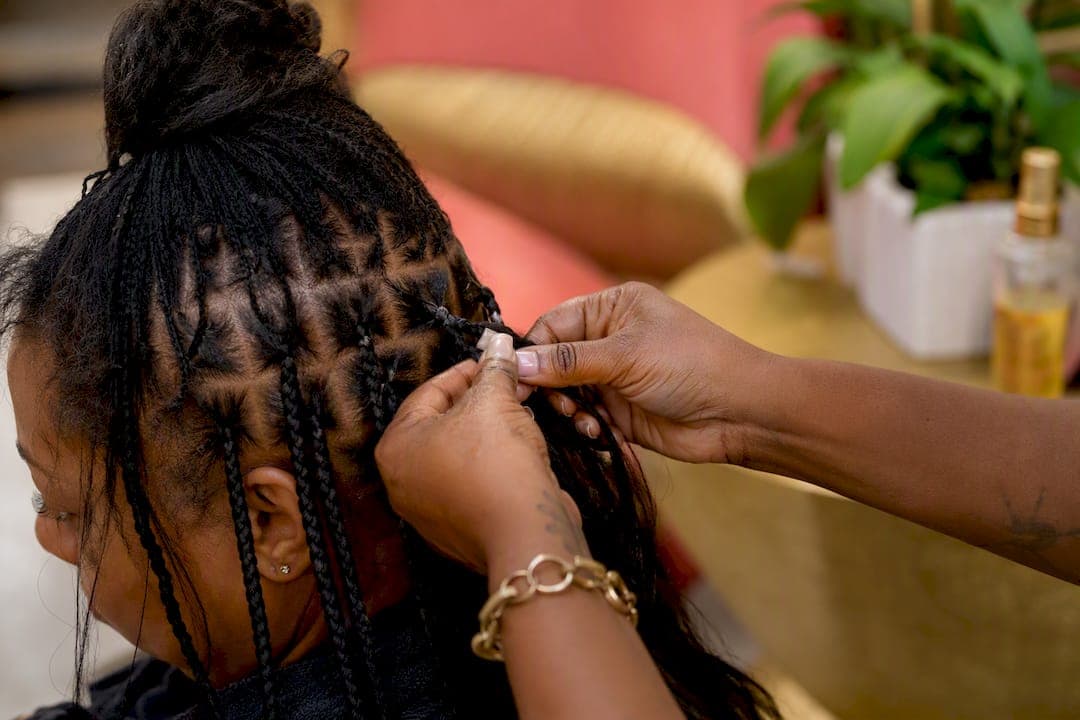
2026 is the year braiding gets honest with your edges. The defining thesis: low-tension, protective, texture-forward styles are replacing slicked-back, gel-heavy installs across the board. If you're booking your next appointment or scoping ideas, here's your shortlist:
- Knotless box braids and jumbo knotless — the movement-friendly, low-root-stress standard
- Feed-in cowgirl braids with beads or cowrie accents
- Boho braids finished with miracle knots
- Fulani-inspired hybrids with detailed front cornrows
- Micro braids for longevity and near-natural texture
- Crown and halo braids, back in their softer, pancaked form
- Ivy/Tanavoho braids with an undone finish
- Crochet bobs and butterfly locs for warm-weather wear
- Mini twists for an edge-friendly, natural look
At your next appointment, ask for a low-tension install, human-hair pieces where possible, and a scalp-care plan before the first braid goes in.
TL;DR:
- Low-tension, human-hair styles like knotless and mini twists are the safest and most protective options to minimize hair damage and scalp strain.
- Micro braids, though natural-looking, require long installations of 8 to 15 hours and should be carefully managed to prevent tension and breakage.
- Styles with detailed front cornrows or beads, especially Fulani hybrids and cowgirl braids, offer cultural significance and require extra time for intricate designs.
- Using lighter, water-based products and proper scalp care extends braid longevity and prevents issues like frizz and buildup over six to eight weeks.
- Selecting a stylist who explains tension approach and materials ensures a healthy installation that respects your hair type and scalp health.
Table of Contents
- Top Braid Trends 2026 Style Lovers Are Actually Booking
- Why 2026 Is All About Low Tension
- Choosing and Caring for Your 2026 Braid Style
- What Afro Magic Braiding Sees in the Chair
- Sustainable Choices for Braid Care in 2026
- Which Braid Styles Actually Work for Your Hair Type
- Styling and Accessorizing Your 2026 Braids
- How Social Media Is Shaping 2026's Biggest Braid Looks
- Frizz, Breakage, and Other Braid Wear Problems, Solved
- Key Takeaways
- What This Year's Braid Trends Get Right, and What Gets Overlooked
- Sources
Top Braid Trends 2026 Style Lovers Are Actually Booking
Every style below earns its spot for a different reason. Some protect your edges. Some cut your chair time in half. A few do both.
1. Knotless box braids and jumbo knotless
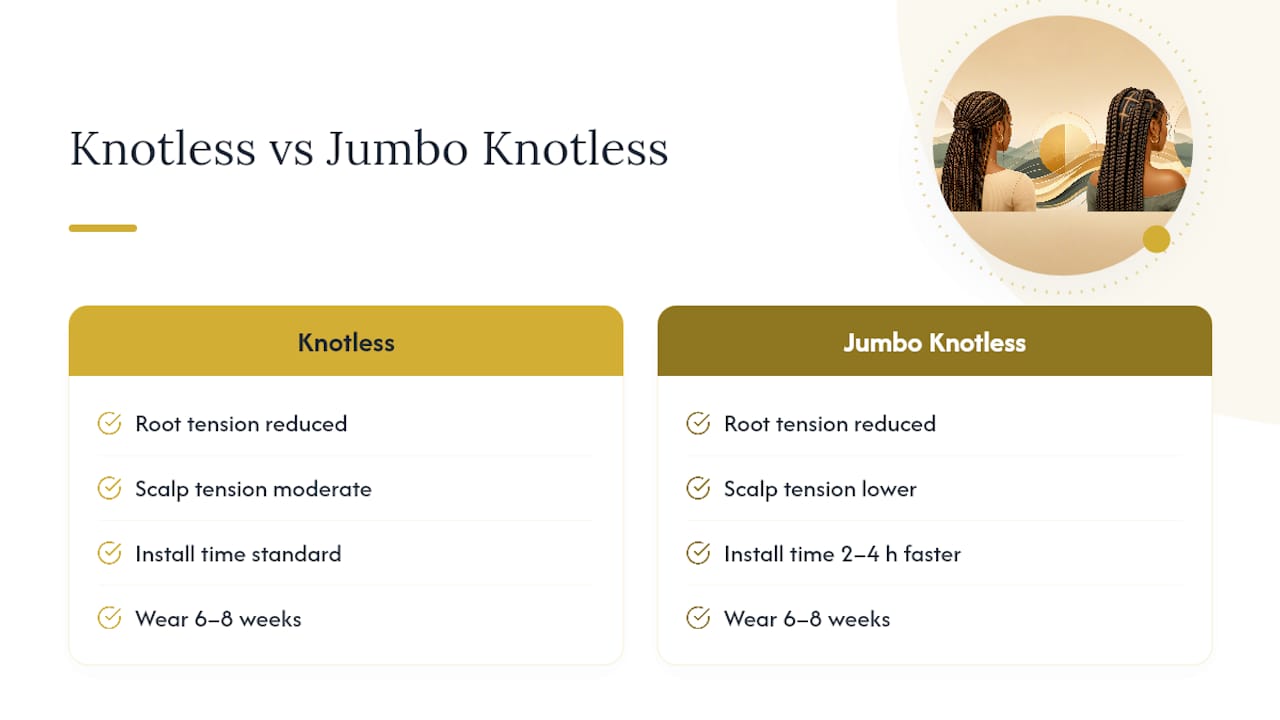
Knotless remains the backbone of 2026 protective styling because the technique feeds hair in gradually instead of knotting synthetic hair at the root, which cuts down on the pulling that damages edges over time. Jumbo versions take that a step further: fewer braids means less overall tension on the scalp and a faster install, often two to four hours quicker than a medium-sized set. Maintenance-wise, expect six to eight weeks of wear if you keep the hairline moisturized and avoid excessive edge control. If you're deciding between sizes, our breakdown of popular knotless braid lengths is worth a read before you book.
2. Feed-in cowgirl braids with beads and cowrie accents
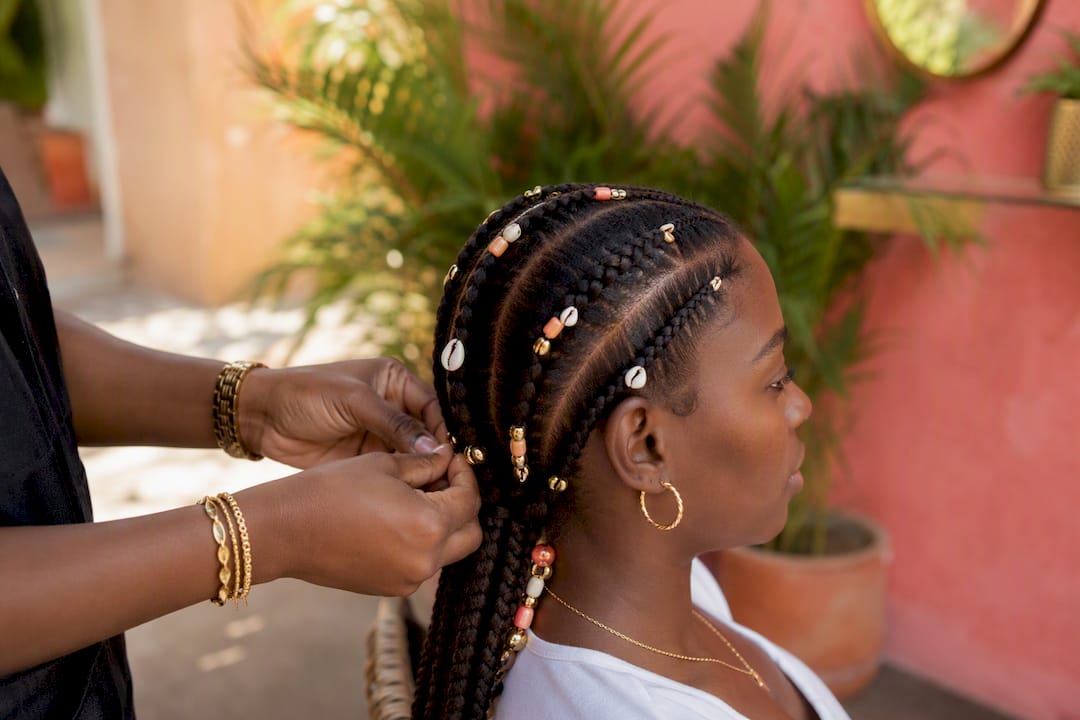
Cowgirl braids, the swooping feed-in style with a diagonal part pattern, are having a real moment in 2026, and the beadwork and cowrie shell details finishing them off aren't just decoration. They're rooted in West African adornment traditions that predate the trend cycle by centuries. The protective rating here is strong since the braids lie flat and low-tension against the scalp, but ask your stylist to space beads so they don't add uneven weight at the ends.
3. Boho braids with miracle knots
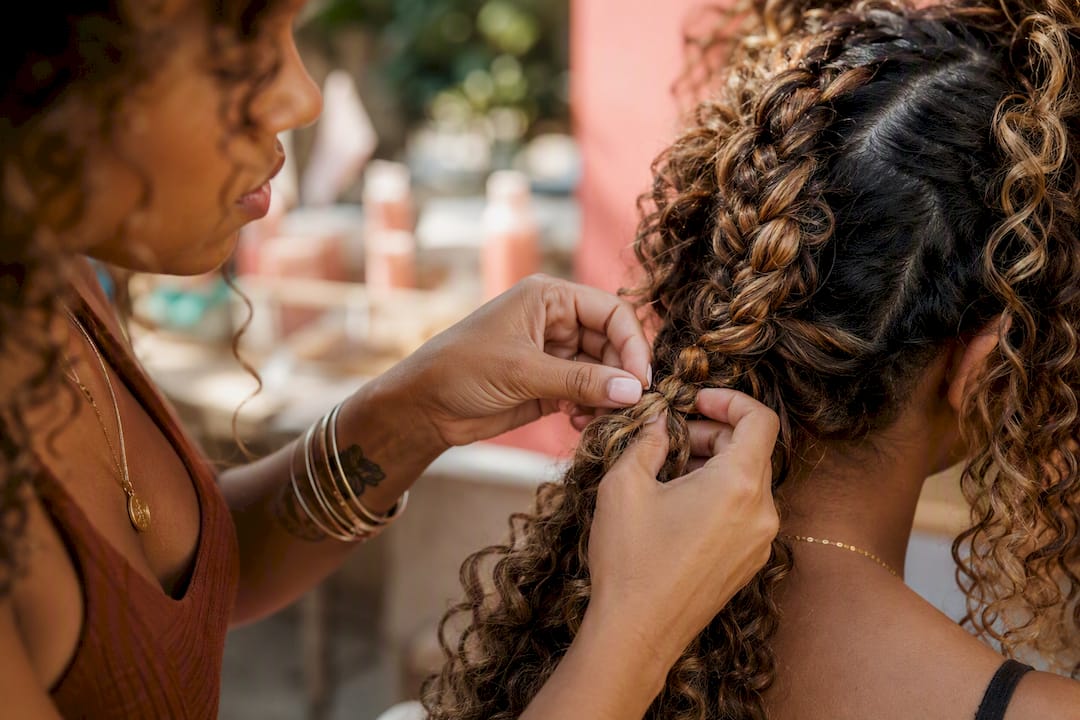
Boho braids mix braided sections with loose, curly pieces for a soft, undone look, and the miracle knot method is what's making them faster and lighter to install. Instead of heavier traditional attachment, miracle knots secure loose hair with a small, nearly invisible knot, which makes boho styles a lighter, more cost-effective option than they were a few years ago. Human-hair pieces blend best here since they move and curl like your natural texture.
4. Fulani and Tyla-inspired hybrids
This hybrid pairs a detailed cornrow pattern down the front, often with a center or side part and accent beads, with a softer knotless or twisted finish in the back. It takes longer than a standard knotless set (budget an extra hour or two for the front detailing) but the payoff is a style that photographs beautifully and holds up well for six weeks.
5. Micro braids
Micro braids deliver the most natural movement of any braided style, but that realism comes at a cost: installs typically run 8 to 15 hours depending on hair length and density. That's a long chair session, so ask about splitting the appointment across two days or using a base-first method to reduce scalp weight. Because the braids are so small, they also put more sections of hair under individual tension points, which makes gentle handling and a lighter touch at the root essential.
6. Crown and halo braids
The crown braid is back, but the 2026 version skips the slick, competition-ready polish for something looser and more textured. Stylists are pancaking the braid for fullness and letting natural curl pattern show through rather than smoothing everything flat. It's a great transitional style if you want a braided look without full-head extensions.
7. Ivy and Tanavoho braids
These deliberately undone, slightly frizzy-at-the-root styles trade polish for a lived-in look that's easier on the scalp. Less tension at installation means less irritation over the following weeks, which fits neatly into 2026's broader hair-health priority.
8. Crochet bobs and butterfly locs
Crochet methods loop pre-looped hair through cornrow bases rather than braiding each strand individually, which shortens install time dramatically and makes these bob-length styles a smart choice for summer travel or a first protective style.
9. Mini twists
Two-strand mini twists stay soft, lightweight, and gentle at the hairline, making them one of the better entry points if you're new to protective styling or have particularly sensitive edges.
Pro Tip: Ask specifically for human-hair extensions on boho, Fulani hybrid, or crown braid styles. Stylists report a real shift away from synthetic-heavy installs toward human-hair pieces for both blend quality and scalp comfort, and it shows most in styles designed to look undone.
Why 2026 Is All About Low Tension
The shift didn't come out of nowhere. Editors and stylists alike are pointing to low-tension, natural-finish styles as the dominant story of the year, driven by a simple realization: years of tight, gel-slicked installs cause real, sometimes permanent edge damage.
A few forces are converging at once:
- Health-first technique — less pulling at the root, more room for natural curl pattern to show through the part
- Cultural revival, done right — beads, cowrie shells, and Koroba-stitch detailing are resurging, and crediting their African origins matters when you share or recreate the look
- Material shifts — more human hair, more miracle knots, more texture blending to soften the line between braid and natural curl
Low tension doesn't mean no technique. It still takes a skilled hand to keep a soft install from slipping or thinning at the perimeter, and our guide to protective braid types walks through how each method handles that balance.
Choosing and Caring for Your 2026 Braid Style
Picking the right style starts with three honest questions: how much weight can your scalp tolerate, how long do you want the style to last, and how much time can you realistically give to an appointment.
- Ask about the tension approach before anything else. A stylist who can't explain how they'll protect your hairline is a stylist to skip.
- Confirm the material. Human hair costs more but blends better and feels lighter over a six-to-eight-week wear.
- Get a time estimate up front. Micro braids and detailed Fulani fronts run long; knotless and mini twists move faster.
- Watch for red flags during install: excessive gel at the root, sharp pulling, or no aftercare guidance at all.
Once you're wearing the style, proper scalp care keeps it comfortable. Wash every one to two weeks with a diluted foam cleanser rather than heavy gel-based products, which sit on the scalp and clog follicles under braids.
Pro Tip: If your scalp feels tight or sore for more than a day after install, that's not "breaking in." Call your stylist. Low-tension styles should feel wearable within hours, not days.
What Afro Magic Braiding Sees in the Chair
Booking early matters, especially for detailed 2026 styles that run long. See real installs in our portfolio before your next appointment.
Sustainable Choices for Braid Care in 2026
Braided styles stay in for weeks, which means what touches your scalp during that stretch matters more than a daily wash-and-go routine. Lightweight, water-based foams and biodegradable-packaged serums are replacing heavy, petroleum-based gels this year, partly because they rinse cleaner and partly because clients are asking for products that don't sit in landfills for centuries. Look for scalp oils in refillable or recyclable packaging, and skip anything with a thick, waxy buildup that requires harsh clarifying shampoos to remove.
Sulfate-free, diluted cleansers do double duty here: they're gentler on color-treated or chemically relaxed hair underneath the braids, and they typically use fewer harsh surfactants that would otherwise wash straight down the drain. A dedicated scalp care line built around treatment serums rather than heavy pomades fits naturally into this shift, since lighter formulas mean less product waste per application.
The eco-conscious approach isn't just a values statement. Braided hair holds product residue longer than loose hair, so a lightweight, cleaner formula genuinely reduces buildup at the follicle over a six-week wear. That's a practical reason to switch, not just an environmental one.
Which Braid Styles Actually Work for Your Hair Type
Not every style flatters or protects every texture equally, and 2026's trend list makes that easier to navigate because so many options are texture-adaptive. Finer or looser curl patterns tend to do best with lighter installs like mini twists or boho braids, since heavier jumbo knotless can pull more on thinner strands. Coarser, denser textures generally handle micro braids and Fulani hybrids well because there's more natural hair to anchor the extension without strain.
If your hair is prone to breakage or you're coming off a relaxer, ivy and Tanavoho styles are worth considering first. Their undone, lower-tension finish asks less of fragile strands. Thicker natural hair, on the other hand, can carry the weight of crown and halo braids without the sagging that sometimes happens on finer hair by week three.
Scalp sensitivity matters just as much as strand texture. If you've had traction alopecia or notice thinning at the temples, crochet bobs and mini twists put the least sustained pressure on those specific spots. A knowledgeable stylist adjusts braid size, parting pattern, and tension to your actual hair, not just whatever look is trending that week, which is exactly why a proper consultation before booking beats picking a style from a photo alone.
Styling and Accessorizing Your 2026 Braids
Part of what makes this year's braid trends so appealing is how much they flex after the initial install. A single set of knotless braids can go from a sleek low bun for work to a half-up style with face-framing pieces pulled loose for the weekend, all without redoing anything.
Accessories are doing real work in 2026, not just sitting on top as an afterthought. Gold cuffs and cowrie shells threaded onto individual braids add movement and catch light in a way that flat hair simply can't. Beaded strands at the ends, once mostly reserved for children's styles, are showing up on adult installs as a nod to the same traditions driving the broader cultural revival in braiding this year.
Scarves and wraps remain the fastest way to change a look entirely, whether that's a structured head wrap for a formal event or a loosely tied bandana for a casual day out. For crown and halo styles specifically, small floral clips or delicate chains woven through the braid work particularly well since the pancaked, textured finish gives accessories something to grip rather than slide off a slick surface. The versatility is part of the appeal: one protective install, several weeks of styling options, and almost no daily maintenance required to switch the look.
How Social Media Is Shaping 2026's Biggest Braid Looks
Celebrity sightings still move the needle faster than any runway show. The crown braid's comeback traces directly back to high-visibility appearances that sent stylists searching for the softer, more textured 2026 update rather than the tight, competition-style version popular a decade ago. When a well-known face wears a style on a red carpet or in a viral clip, salon booking requests for that exact look tend to spike within days.
Platforms built around short video have also sped up how quickly niche techniques go mainstream. Miracle knots, once a stylist's backstage trick, are now something clients ask for by name because they've watched the technique demonstrated online. That visibility cuts both ways. It's introduced more people to genuinely protective methods, but it's also flattened some of the cultural context behind styles like cowrie-adorned cowgirl braids, which is why crediting their origins matters more, not less, as they spread.
The upside for you as a client is real: better access to information means you can walk into a consultation already knowing the right questions to ask about tension, materials, and timing, rather than pointing at a photo and hoping for the best.
Frizz, Breakage, and Other Braid Wear Problems, Solved
Every protective style faces the same handful of issues eventually, and knowing the fix ahead of time saves you a frustrating week three.
Frizz around the hairline is the most common complaint, usually caused by friction from sleeping without a satin bonnet or scarf. A light application of edge serum and consistent night protection solves most of it within days.
Breakage at the root often traces back to tension that was too tight at install, or to leaving a style in past its recommended timeline. Six to eight weeks is a reasonable ceiling for most knotless and box braid styles; pushing past that raises the odds of matting and stress on new growth.
Itching and scalp buildup happen when product accumulates under braids without adequate washing. A diluted foam cleanser applied with a nozzle applicator, followed by thorough rinsing, addresses this without disturbing the braid pattern itself. If itching persists alongside redness or tenderness, that's a signal to have a stylist check for developing traction issues rather than waiting it out.
Key Takeaways
Low-tension, texture-forward braiding protects hair health without sacrificing the detailed, culturally rooted looks driving 2026's biggest styles.
| Point | Details |
|---|---|
| Prioritize low tension | Choose knotless, boho, or mini twist styles to reduce pulling at the hairline. |
| Match install time to your schedule | Budget 8 to 15 hours for micro braids versus a few hours for jumbo knotless. |
| Choose human hair where possible | Human-hair pieces blend better and feel lighter for six-to-eight-week wear. |
| Credit cultural origins | Bead and cowrie shell details come from African traditions worth acknowledging. |
| Maintain with lighter products | Use diluted foam cleansers over heavy gels to prevent scalp buildup under braids. |
What This Year's Braid Trends Get Right, and What Gets Overlooked
The conventional advice on braid trends usually stops at pictures: here's what's popular, go show your stylist. That misses the more useful story in 2026's shift toward low tension, which is really a correction. The industry spent years rewarding tight, long-lasting installs and is only now reckoning with what that cost people's edges.
Where I think most coverage still falls short is treating "low tension" as a style category rather than a technique standard that should apply across every braid on this list, from micro to jumbo. A loose-looking style installed carelessly can still traumatize a hairline. Ask about technique before you ask about the trend.
The cultural piece deserves more weight, too. Beads and cowrie shells aren't just this season's accessory; they carry history that's worth naming out loud, not glossing over in a caption. If you take one thing from 2026's braid moment, let it be this: protect your hairline first, then chase the look.
— Afro