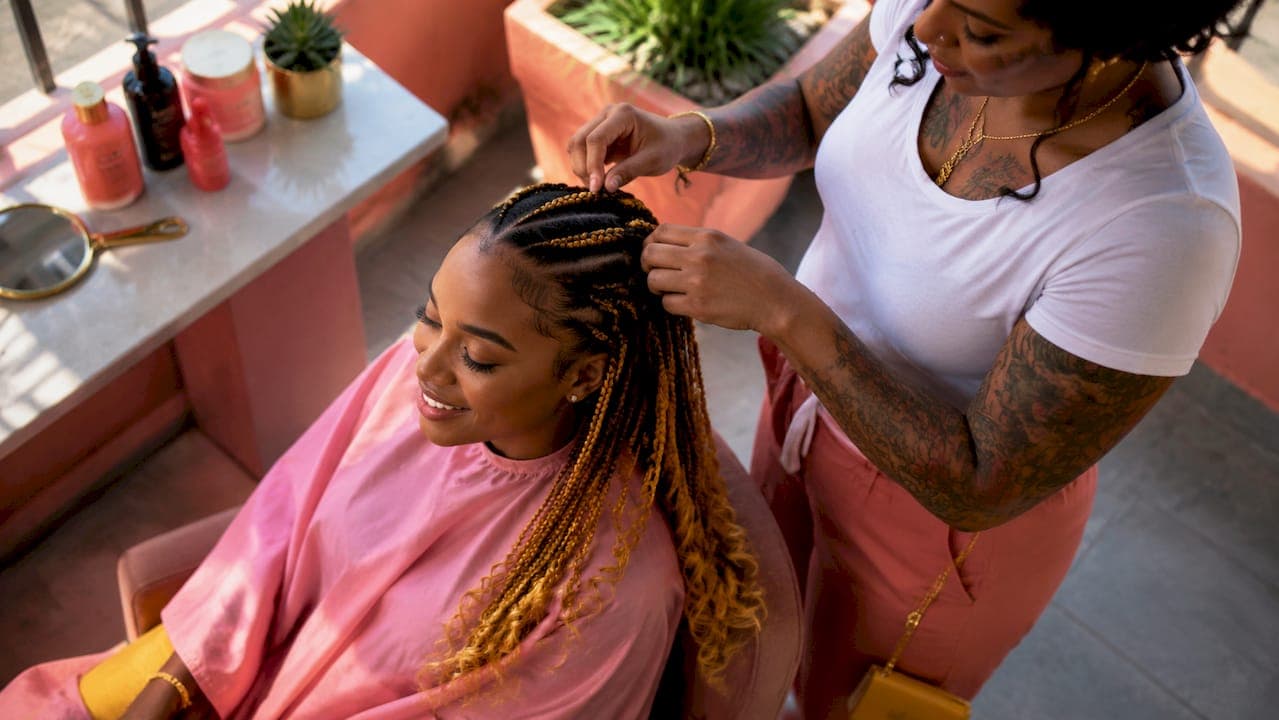
Ombre braiding hair is defined as a gradual color transition from dark roots to lighter ends, creating a blended gradient effect across braided styles. Unlike harsh two-tone coloring, the technique produces a soft, shaded fade that adds serious dimension to protective styles like box braids, knotless braids, and jumbo braids. You can buy it pre-colored in synthetic form or create the effect yourself at home. Either way, ombre braiding hair transforms a standard braid into something that feels personal, bold, and alive with color.
What is ombre braiding hair, and how does it work?
Ombre braiding hair features a soft fade from darker roots to lighter tips rather than sharp color stripes. The word "ombre" comes from the French word for shaded, and in the hair industry it refers specifically to this root-to-tip gradient technique. The effect works beautifully in braids because the braid structure itself amplifies the color shift, making each section of the gradient more visible as the braid lengthens.
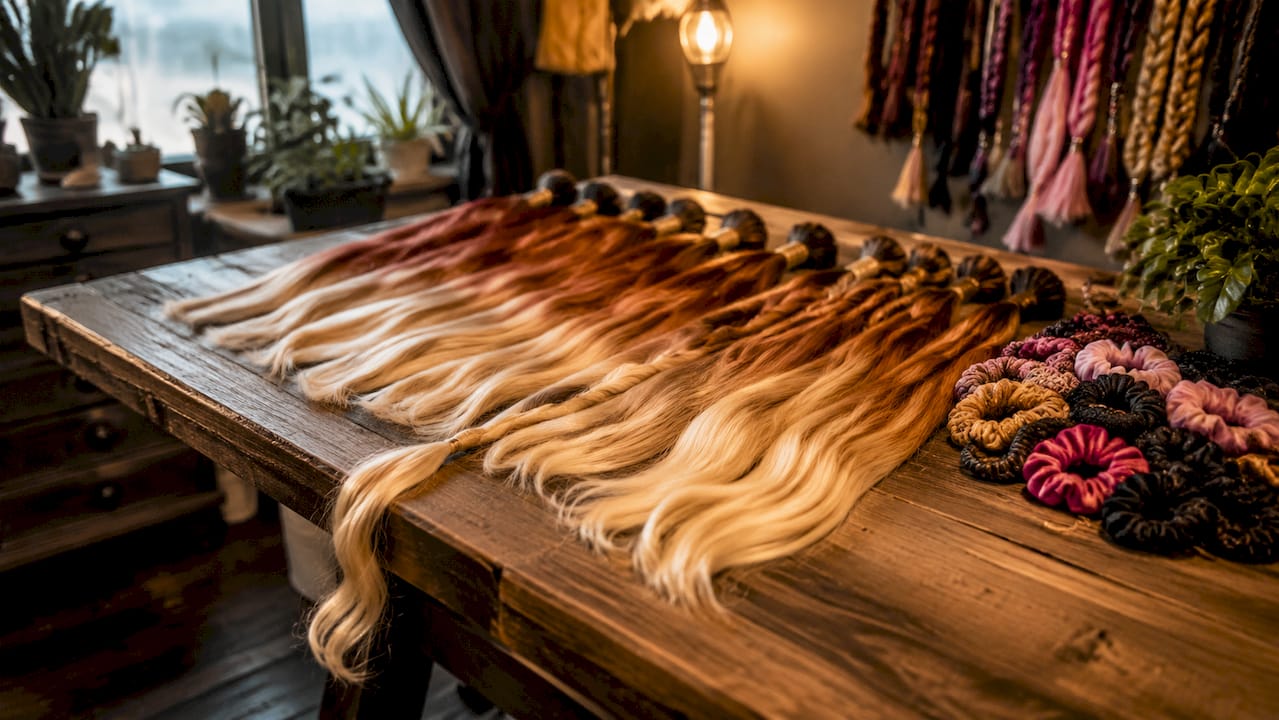
Two main formats exist: ready-made and DIY. Pre-colored synthetic hair extensions with ombre gradients are the most popular choice because they save time and deliver consistent color from pack to pack. DIY coloring gives you full creative control over the gradient placement and color intensity.
How is ombre braiding hair created?
Ready-made synthetic ombre hair
Pre-stretched synthetic ombre braiding hair arrives factory-colored with the gradient already built in. You simply separate the hair, section it into your braids, and the color transition appears naturally as you work down the length. Brands like Xpression, Outre, and Freetress Beauty all offer pre-colored ombre options in dozens of gradient combinations.
DIY coloring for synthetic hair
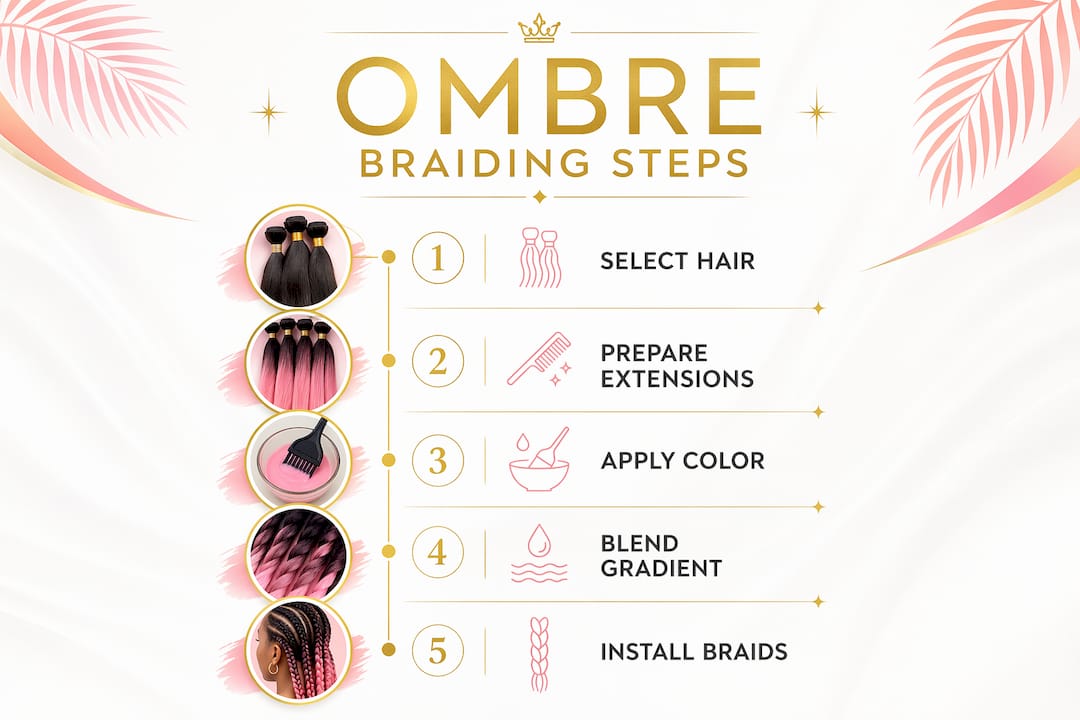
Creating your own ombre effect on synthetic braiding hair is more accessible than most people expect. The DIY process uses rubbing alcohol and acrylic ink sprayed directly onto the hair, then dried and rinsed until the water runs clear. Here is the full process, step by step:
- Lay the hair flat on a protected surface or hang it over a rod for even access.
- Mix rubbing alcohol and acrylic ink in a spray bottle. Start with a small amount of ink and test on a strand before committing to the full batch.
- Spray the color starting at the mid-length of the hair and working toward the ends. Avoid the roots to preserve the dark base.
- Brush the hair strands immediately after spraying to distribute the color evenly and smooth the gradient transition.
- Let the hair dry overnight fully before handling or braiding.
- Rinse with cool water until the water runs completely clear, then allow to air dry again before use.
Pro Tip: Brushing the hair right after you spray the color is the single most important step for a smooth gradient. Skipping it leaves blotchy patches that ruin the ombre effect.
DIY ombre on synthetic hair keeps costs low compared to buying pre-colored packs, and it opens up color combinations that manufacturers simply do not produce. If you want a lavender-to-silver fade or a burgundy-to-copper blend, DIY is your only real option.
Ombre vs. balayage: which color technique is right for you?
People confuse ombre and balayage constantly, but they have distinct finishes and grow-out appearances. Understanding the difference helps you choose the look that actually fits your style goals.
Ombre is a continuous gradient with a defined color transition line running from roots to ends. Balayage uses freehand painting to create soft, sun-kissed highlights scattered across sections, with no single visible transition line. For braided styles, ombre almost always wins because the braid structure needs a clear gradient to show the color shift effectively.
| Feature | Ombre | Balayage |
|---|---|---|
| Color transition | Continuous root-to-tip gradient | Freehand painted highlights |
| Visual effect | Bold, defined color shift | Soft, scattered, sun-kissed |
| Grow-out appearance | Visible regrowth line | Natural, less obvious regrowth |
| Best for braids | Yes, gradient reads clearly | Less effective in tight braids |
| Maintenance level | Low to moderate | Low |
For bold, striking braided styles, ombre is the stronger choice. The defined transition line reads clearly even in small-diameter braids, while balayage's scattered highlights tend to get lost in the braid pattern. You can explore the ombre vs. balayage difference in more detail if you are still deciding between the two techniques.
What are the most popular ombre braiding hair styles?
Ombre braiding hair is ideal for bold, high-contrast color statements in protective styles, and it works across a wide range of braid types and color combinations. The most popular styles right now include:
- Box braids with ombre color: The classic protective style gets a dramatic upgrade when the color shifts from black at the root to honey blonde or caramel at the tips. The square sections of box braids frame the gradient perfectly.
- Knotless braids with ombre effects: Because knotless braids lie flat at the root, the dark base looks completely natural before the color transition begins mid-length. This style is especially flattering for first-timers.
- Jumbo braids: Larger braid diameters make the color gradient more visible from a distance, creating a statement look that reads boldly in photos and in person.
- Fulani-inspired braids: Traditional Fulani braid patterns gain a modern edge when done with ombre color, honoring heritage while adding contemporary dimension.
- Passion twists and butterfly locs: These textured styles carry ombre color beautifully because the irregular surface catches light differently across the gradient.
Popular color combinations include black to blonde, copper to honey blonde, and creative multi-tone blends like burgundy to rose gold. Subtle ombre works best for professional settings where you want dimension without drama. Dramatic ombre, like jet black to platinum blonde, makes the biggest visual statement and photographs exceptionally well. If you want guidance on choosing the right braid style to pair with your ombre color, that comparison is worth reading before you commit.
How do you care for ombre braiding hair?
Proper care keeps your ombre braids looking fresh and the color vibrant for the full duration of the style. The core routine is straightforward, but skipping steps shortens your style's lifespan significantly.
- Wash gently and infrequently. Use a diluted sulfate-free shampoo applied directly to the scalp, then rinse carefully without roughing up the braid texture. Washing too aggressively causes frizz and fades color faster.
- Moisturize the scalp, not just the hair. A lightweight oil like jojoba or sweet almond oil applied to the scalp keeps the skin healthy without weighing down the braids or dulling the color.
- Avoid heat exposure. Synthetic ombre braiding hair is heat-sensitive. Direct heat from blow dryers or flat irons can melt the fibers and destroy the gradient. Air drying is always the right call.
- Stay away from harsh chemicals. Chlorine from pools and strong styling products strip color from synthetic hair faster than anything else. If you swim, wear a protective cap.
- Cover your hair every night. A silk or satin bonnet or scarf reduces friction while you sleep, which prevents frizz, preserves the braid pattern, and keeps the color looking fresh longer.
Pro Tip: Spritz your braids lightly with a mix of water and a few drops of argan oil before wrapping them at night. This keeps the hair hydrated without product buildup.
For a complete care routine built around protective styles, the boho braid care guide from Afromagicbraiding covers everything from washing frequency to product selection. Strategic ombre placement with darker roots and lighter ends from mid-length down also helps the grow-out look intentional rather than neglected, which extends the time between appointments.
Key takeaways
Ombre braiding hair delivers the most visual impact when the gradient is planned from mid-length to ends, paired with a braid style that frames the color transition clearly.
| Point | Details |
|---|---|
| Core definition | Ombre braiding hair is a root-to-tip color gradient, not a two-tone stripe. |
| Two creation methods | Buy pre-colored synthetic packs or DIY with rubbing alcohol and acrylic ink. |
| Ombre beats balayage for braids | Ombre's defined transition line reads clearly in braid patterns; balayage gets lost. |
| Best style pairings | Box braids, knotless braids, and jumbo braids all showcase the gradient effectively. |
| Care extends color life | Nightly silk coverage, no heat, and gentle washing preserve color and braid texture. |
Why ombre placement matters more than color choice
I have worked with hundreds of clients who come in focused entirely on which two colors to pick, and almost none of them think about where the transition happens on the braid. That placement decision matters more than the color combination itself.
When the gradient starts too high, near the root, the dark base disappears and the braid looks like a single color from a distance. When it starts at mid-length and transitions toward the ends, the braid reads as dimensional from every angle. That is the placement that photographs well, holds up through weeks of wear, and looks intentional as the style grows out.
The other thing I see constantly is clients choosing colors that fight their skin tone instead of working with it. Warm skin tones glow with copper-to-honey or brown-to-caramel gradients. Cool skin tones carry black-to-ash-blonde or burgundy-to-lavender beautifully. Neutral tones have the most flexibility. Before you commit to a color pack, hold it against your face in natural light. That thirty-second test saves a lot of regret.
My honest encouragement for anyone hesitant about DIY ombre: start with a single pack of hair before you commit to a full head. Mix a small batch of ink and alcohol, test the gradient on a few strands, and adjust the color intensity before you scale up. The process is forgiving when you go slowly.
— Afro
Get your ombre braids done right in southfield, michigan
Ombre braiding hair is a craft that rewards precision, and the color blending looks best when it is done by hands that know the technique well.
Afromagicbraiding in Southfield, Michigan specializes in custom ombre braiding services, from knotless braids with subtle honey-blonde fades to bold box braids with dramatic color contrasts. Every style is tailored to your skin tone, braid preference, and lifestyle. Browse the full style portfolio to see the color work up close, or book your appointment directly online. Every braid tells a story. Let Afromagicbraiding help you tell yours.
FAQ
What is ombre braiding hair made of?
Ombre braiding hair is most commonly made from synthetic fibers like Kanekalon or toyokalon, pre-colored with a gradient from dark roots to lighter ends. Some options use human hair blends for a more natural texture and finish.
Can you DIY ombre color on synthetic braiding hair?
Yes. The standard method uses rubbing alcohol and acrylic ink sprayed onto the hair, brushed for even distribution, dried overnight, and rinsed until clear. It is cost-effective and allows custom color combinations.
How long does ombre braiding hair last in a protective style?
Ombre braids typically last 6–8 weeks with proper care, including nightly satin coverage, gentle washing, and no direct heat exposure. Color vibrancy holds longer when you avoid chlorine and harsh styling products.
What is the difference between ombre hair braids and balayage braids?
Ombre creates a continuous, defined gradient from roots to ends, while balayage uses freehand painted highlights for a softer, scattered effect. Ombre reads more clearly in braided styles because the braid structure amplifies the defined color transition.
What ombre color combinations work best for braids?
Black to blonde, copper to honey blonde, and burgundy to rose gold are among the most popular and visually striking combinations. Warm skin tones pair best with copper and caramel gradients, while cool tones carry ash and lavender shades well.