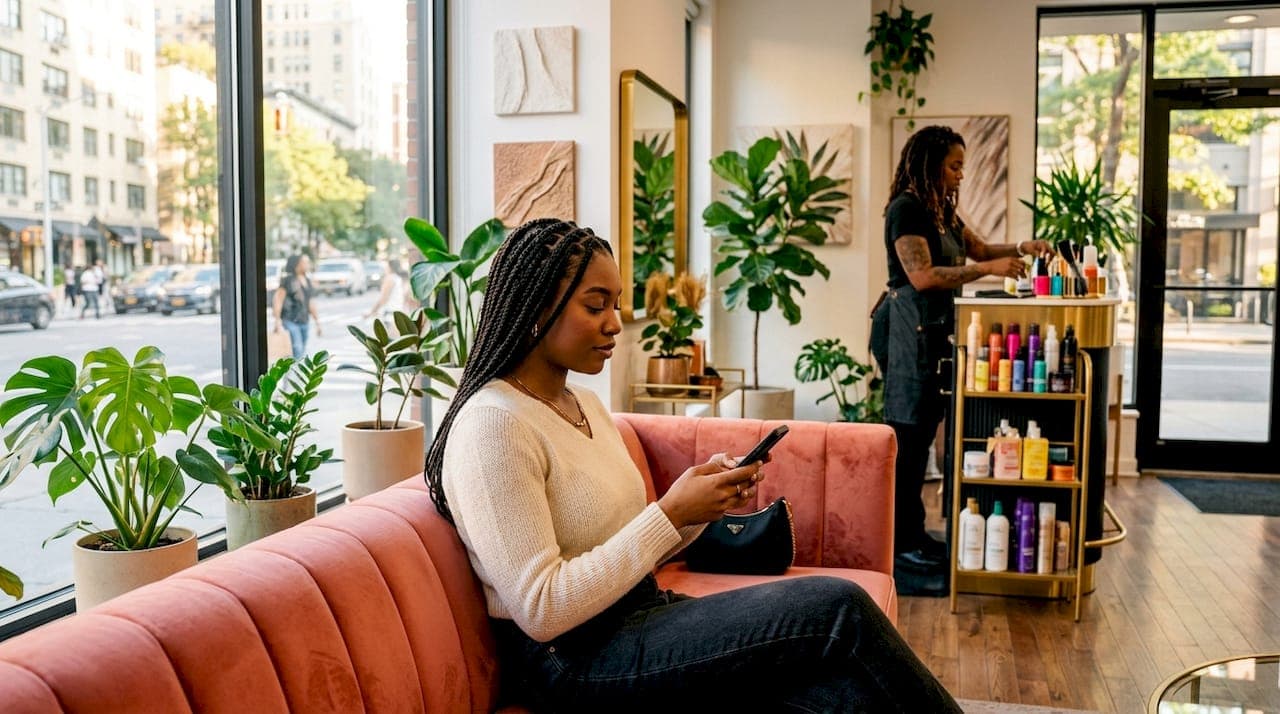
A braiding salon's location is the single most powerful factor shaping your experience before a stylist ever touches your hair. The right address determines how easily you can get there, what you expect to pay, and whether the salon feels like part of your community or a detour from your life. Clients who understand why location matters for a braiding salon make smarter choices and end up with better, more consistent results. Afromagicbraiding has built its reputation in Southfield, Michigan, on exactly this principle: location is not a background detail. It is the foundation of every great appointment.
Why does location matter for a braiding salon?
Location defines a braiding salon's client base before a single braid is completed. Selecting a salon site that matches local market demographics can increase client retention by up to 50%. That number reflects a simple truth: when a salon fits its neighborhood, clients feel at home and keep coming back.
The importance of salon location goes beyond convenience. It shapes pricing expectations, community trust, and even how long clients are willing to sit in the chair. Braiding sessions can run four to eight hours. A client who dreads the drive or worries about parking will cancel or simply not rebook. One who can run an errand nearby or hop off a bus two blocks away will show up on time, every time.
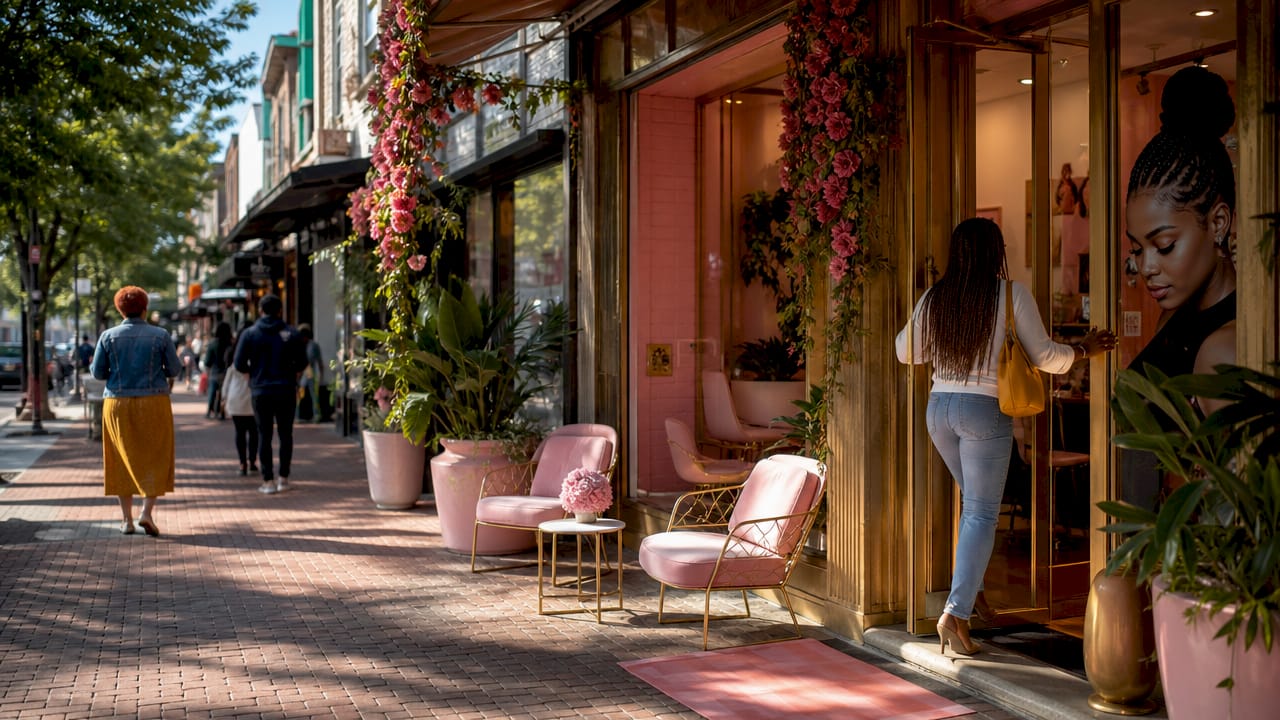
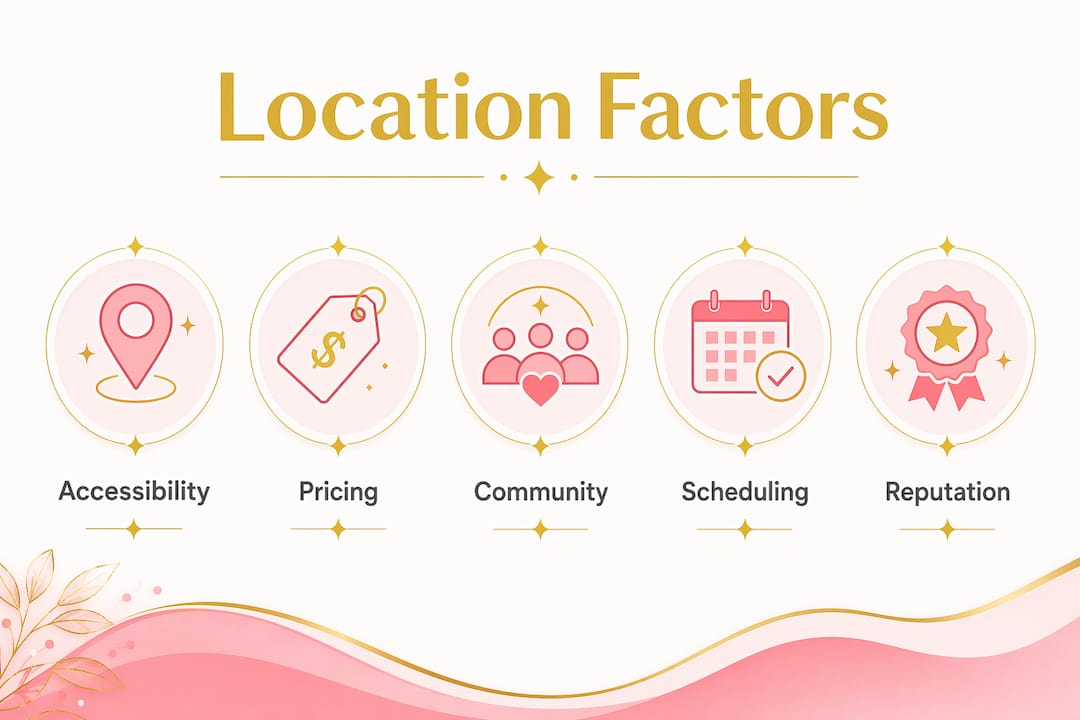
Three factors define a strong braiding salon location: accessibility, price alignment with the surrounding neighborhood, and integration into the local community. Each one works on its own, but together they create the kind of client loyalty that sustains a salon for years.
How does accessibility influence client choices and retention?
Accessibility is the first test any salon location must pass. Clients weigh the effort of getting to you against the quality of your service, and effort wins more often than stylists realize. Parking accessibility is rated the number one logistical factor for client retention in luxury salons. A client arriving for a six-hour knotless braid session does not want to circle the block or pay for a parking garage.
Public transportation matters just as much in urban and suburban markets. Walkability, bus stops within a short distance, and proximity to major transit corridors all reduce the friction that causes clients to drift toward a closer option. Clients avoid salons with difficult parking or heavy traffic even when the service quality is strong. That is a hard fact for any stylist to accept, but it is the reality of how clients make decisions.
Here is what strong braiding salon accessibility looks like in practice:
- Dedicated or adjacent parking with enough spaces to handle peak appointment blocks
- Proximity to public transit such as bus lines or light rail within a short walk
- Safe, well-lit surroundings that make evening appointments feel comfortable
- Ground-floor or first-floor access that removes barriers for clients with strollers or mobility needs
- Clear signage and easy navigation so first-time clients arrive without stress
High-density markets with populations over 75,000 provide the client flow that keeps appointment books full. Salons in these areas also benefit from higher organic walk-in rates, which reduces marketing costs and builds a steady base of new clients.
Pro Tip: Before booking at any salon, check Google Maps for parking options and read recent reviews specifically mentioning the commute or parking experience. Clients who mention convenience in reviews are telling you something the salon's website never will.
What impact does salon location have on pricing and perceived value?
A salon's address signals price and quality before you walk through the door. Location communicates service value to clients before they ever sit in the chair, shaping their willingness to pay premium prices. A salon in a well-maintained retail district with clean storefronts and good lighting creates an expectation of quality. A salon tucked into a strip mall with faded signage creates a different expectation, even if the braiding technique is identical.
This is what industry professionals call location as a silent brand ambassador. The neighborhood does the marketing. A Fulani-inspired braid or a tension-free feed-in technique commands a higher price when the setting reinforces the skill level. When the location and the service style are misaligned, clients feel friction. They question the price, negotiate, or simply leave a lukewarm review.
The table below shows how location type shapes client expectations and pricing dynamics:
| Location type | Client price expectation | Typical client profile |
|---|---|---|
| High-end retail district | Premium pricing accepted | Clients seeking luxury protective styles |
| Mixed-use commercial hub | Mid-range pricing expected | Broad demographic, value-conscious |
| Residential neighborhood | Budget-friendly pricing assumed | Loyal local clients, repeat bookings |
| Mall or lifestyle center | Variable, driven by anchor stores | Convenience-focused, multi-purpose visits |
First-floor spaces can reduce overhead while maintaining accessibility and a premium feel. That balance matters for salons that want to charge professional rates without absorbing the cost of a flagship retail address.
Pro Tip: When evaluating a salon's pricing, look at the block it sits on. If the surrounding businesses are well-maintained and the area feels intentional, the salon's rates likely reflect real skill and overhead, not inflated ego.
In what ways does community reputation shape a braiding salon's success?
A braiding salon that integrates into its neighborhood becomes more than a service provider. It becomes part of the local lifestyle. A community-integrated salon experience turns appointments into lifestyle activities, which boosts satisfaction and loyalty in ways that skill alone cannot replicate.
Proximity to complementary businesses amplifies this effect. A salon near a well-regarded restaurant, a grocery store, or a nail studio gives clients a reason to build their whole afternoon around the appointment. That is especially relevant for braiding, where sessions run long. When clients can accomplish two or three things in one trip, the time investment feels productive rather than burdensome.
The community benefits of a well-chosen salon location include:
- Word-of-mouth referrals that flow naturally from neighbors and nearby business owners
- Cultural alignment between the salon's style offerings and the community's heritage and preferences
- Trust built through visibility, since a salon clients pass regularly feels familiar and safe
- Collaborative local reputation, where nearby businesses recommend each other organically
Clients who feel their appointment fits into a productive routine are more likely to rebook. That insight reframes how you should think about choosing a salon. You are not just picking a stylist. You are picking an environment that either supports your schedule or fights it.
How does location affect scheduling flexibility and appointment convenience?
Location directly shapes how flexible a salon can be with its hours. Secure, accessible locations support extended morning and evening hours that accommodate clients with demanding schedules. A salon in a safe commercial hub can open early and stay open late without putting staff or clients at risk. A salon in an isolated or poorly lit area cannot offer the same flexibility.
For braiding clients, this matters more than it does for a quick haircut. A box braid or knotless braid appointment can easily run five to seven hours. Clients need to know they can book a Saturday morning slot that runs into the afternoon, or an early weekday appointment before work. Location determines whether those options exist.
The table below outlines how different location types affect scheduling options:
| Location type | Extended hours possible | Multi-purpose visit potential | Walk-in likelihood |
|---|---|---|---|
| Secure commercial hub | Yes | Moderate | High |
| Mall or lifestyle center | Yes | High | High |
| Residential neighborhood | Limited | Low | Low |
| Isolated or low-traffic area | No | None | Very low |
Proximity to residential hubs or malls enhances client convenience and makes long appointments more acceptable. Clients who can drop off dry cleaning, grab lunch, or pick up groceries during a braiding session report higher satisfaction with the overall experience. Location makes that possible. Skill alone does not. When choosing a salon location for your next appointment, factor in what else you can accomplish nearby during a long session.
Key Takeaways
A braiding salon's location shapes accessibility, pricing perception, community trust, and scheduling flexibility, making it as important as the stylist's technique in determining your overall experience.
| Point | Details |
|---|---|
| Accessibility drives retention | Dedicated parking and transit access keep clients returning even when alternatives exist. |
| Location signals price and quality | The surrounding neighborhood sets client expectations before any service begins. |
| Community integration builds loyalty | Salons near complementary businesses turn appointments into productive lifestyle outings. |
| Extended hours require secure locations | Safe commercial areas allow morning and evening slots that fit braiding's long session times. |
| Demographics determine client flow | High-density markets provide the steady client volume that sustains a salon long-term. |
What I've learned about location after years of watching clients choose
Clients consistently underestimate how much location shapes their satisfaction. I have seen clients drive past a perfectly skilled stylist because the parking situation felt like a problem waiting to happen. I have also watched salons with average technique build packed appointment books simply because they sat on a convenient corner with good lighting and a coffee shop next door.
The uncomfortable truth is that convenience is emotional, not just logistical. When a client feels like getting to their appointment is easy, they arrive relaxed. A relaxed client communicates better, sits more patiently through a long session, and leaves happier, regardless of whether the braid was technically perfect. That emotional state feeds directly into reviews, referrals, and rebooking rates.
What clients often overlook is the neighborhood's trajectory, not just its current state. A salon in a growing mixed-use district will attract a rising client base and command better pricing over time. A salon in a declining area will fight that current no matter how good the work is. When I assess a salon's location, I look at what is opening nearby, not just what is already there.
My advice: visit the salon at the time of day you plan to book. Check the parking yourself. Walk the block. Notice whether the surrounding businesses feel aligned with the experience you want. Every braid tells a story, and the neighborhood is the first chapter.
— Afro
Afromagicbraiding: prime location, premium braiding in Southfield
Afromagicbraiding is located in Southfield, Michigan, a well-connected commercial hub with easy parking, strong transit access, and a thriving community of clients who value quality protective styles. The location was chosen with the same care that goes into every braid: intentionally, with the client's experience at the center.
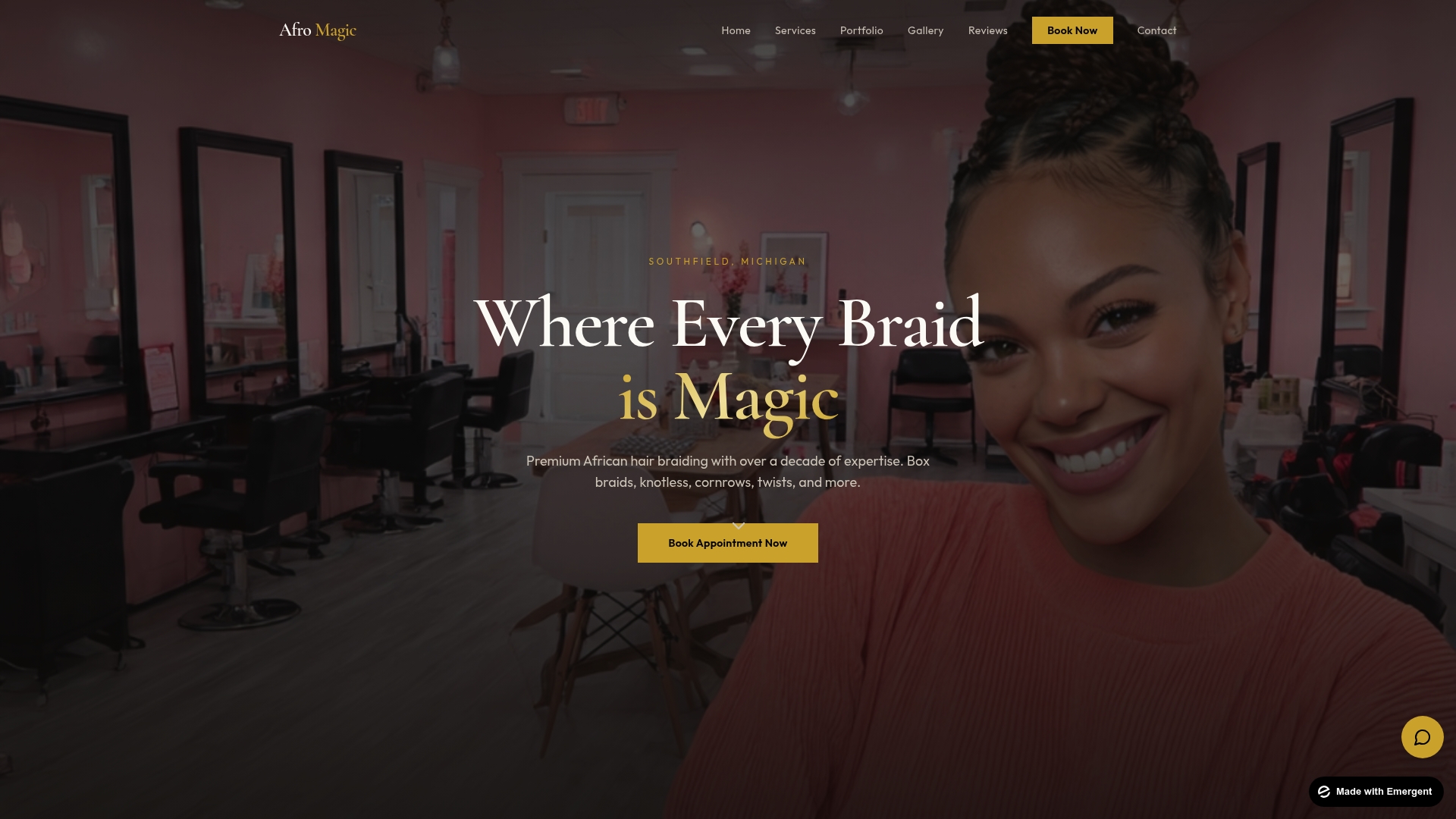
Clients at Afromagicbraiding benefit from a location that supports extended appointment hours, multi-purpose visits, and the kind of neighborhood energy that makes a long braiding session feel like a great afternoon rather than a commitment. From Fulani-inspired braids to knotless box braids, every style is crafted with a tension-free technique in a space that honors your time. View the full portfolio and book your appointment online today.
FAQ
Why does location matter when choosing a braiding salon?
Location affects how easily you can reach the salon, how long you are willing to stay, and whether the pricing feels fair for the neighborhood. Salons in accessible, well-regarded areas consistently show higher client retention rates.
What makes a braiding salon location truly accessible?
Dedicated parking, proximity to public transit, safe surroundings, and ground-floor access are the four core accessibility factors. Parking is rated the top logistical concern for clients booking luxury braiding services.
How does a salon's neighborhood affect its pricing?
A salon's address sets client expectations before any service begins. Premium retail districts signal higher prices and quality, while residential or budget-oriented areas create expectations of lower rates, regardless of the stylist's actual skill level.
Can a salon's location affect how long it stays open?
Yes. Salons in secure commercial hubs can offer early morning and late evening appointments because the surrounding infrastructure supports safe extended hours. Isolated locations cannot offer the same flexibility, which limits scheduling options for clients with busy lives.
How do I evaluate a braiding salon's location before booking?
Visit the salon at your intended appointment time, check parking availability, and read recent client reviews that mention the commute or neighborhood. Proximity to complementary local businesses is a strong sign that the location supports a positive, full-day experience.